
Blooming
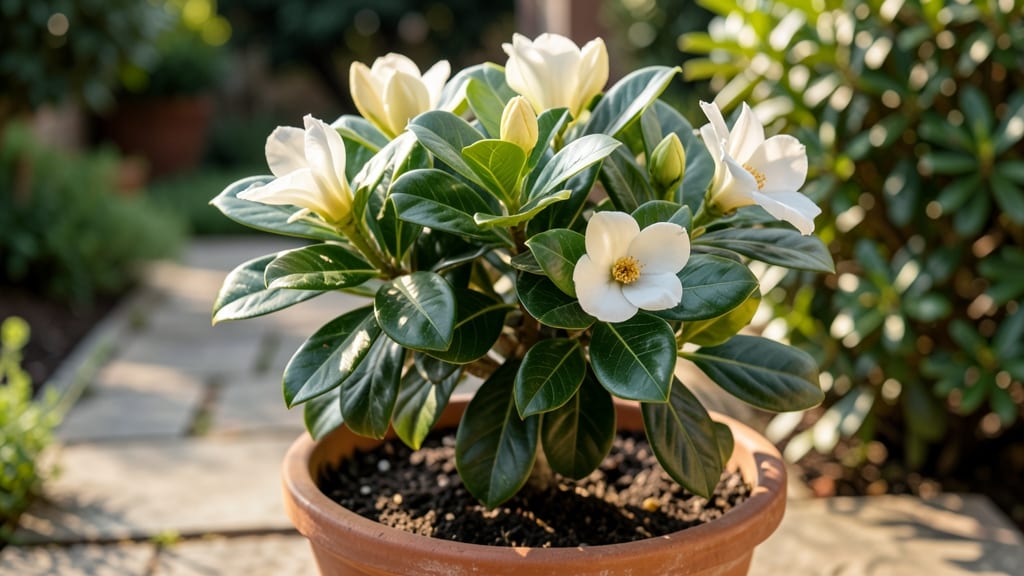
Gardenia blooms in Florida typically arrive between late spring and summer 🌸, but the exact timing depends on your zone and how you care for them.
If you’ve ever caught the intoxicating scent of gardenias drifting through a Florida breeze, you know their blooms are nature’s most luxurious perfume—but timing is everything. These fragrant stars thrive in Florida’s climate, but their bloom windows vary wildly by zone, sunlight exposure, and even pruning habits.
In zones 9a-11, most gardenias burst into bloom around May or June, though early varieties can start as soon as April in cooler microclimates. Late bloomers may linger until July, especially if summer heat arrives early.
Here’s how to extend their fragrance peaks—from zone-specific pruning tricks to sunlight secrets that keep your gardenias blooming longer than the neighbors’. Let’s dive in.
Florida gardenia bloom seasons by hardiness Zone (with exact months)
Florida’s gardenias are legendary for their intoxicating fragrance, but their bloom timing shifts dramatically across the state’s USDA zones 9-11. In Zone 9, you’ll catch early blooms as early as February, while Zone 11 gardenias may bloom year-round with peak fragrance in spring and fall.
The difference? Humidity levels and afternoon heat intensity—both critical factors for bud formation.
High humidity in southern Florida (Zones 10-11) actually enhances fragrance intensity, but too much heat can stress plants, shortening bloom cycles. Meanwhile, northern Florida (Zones 9-10) gardenias often produce longer-lasting blooms in cooler months, making April-June their prime window.
Understanding these patterns helps you time pruning and fertilizing for maximum impact.
🌸 Pro Tip: Morning-pruned gardenias in Zone 10 often rebloom within 6-8 weeks, while Zone 9 plants need a full 10-12 weeks of recovery after heavy pruning to produce new buds.
🌿 Key Factors Affecting Bloom Timing:
- Zone 9: Cooler winters delay bud formation until March-April
- Zones 10-11: Year-round blooms with spring/fall peaks
- Humidity: >80% humidity = stronger fragrance but risk of fungal issues
- Sunlight: Morning sun + afternoon shade = longest bloom cycles
| Zone | Primary Bloom Window | Secondary Bloom | Fragrance Peak | Pruning Window |
|---|---|---|---|---|
| 9A-9B | March - June | September - November | April - May | July - August |
| 10A-10B | February - July | August - December | March - June | July - September |
| 11 | Year-round (peaks) | Year-round (light) | Spring/Fall | January - February |
🌿 Note: Prune after blooming to avoid cutting off next year’s buds. Use sterilized shears!
In Zone 9, gardenias often produce their first major bloom in March, triggered by warming temperatures. However, if you live in Panhandle areas (Zone 9A), a late frost can delay blooms until April.
The key is to monitor bud formation in January-February—this is your cue to reduce nitrogen fertilizers and switch to phosphorus-rich feeds to encourage flowers over foliage.
For Zones 10-11, the story changes dramatically. Here, gardenias can bloom year-round, but the most intense fragrance occurs during spring (March-May) and fall (September-November). The high humidity in these zones actually amplifies scent, but it also increases the risk of powdery mildew.
To combat this, I recommend spreading mulch around the base and watering at soil level rather than overhead.
💡 Heat Sensitivity Alert: Gardenias in Zone 11 often drop buds during summer heatwaves (July-August). To prevent this, provide afternoon shade and increase watering frequency to every 2 days during peak heat. A light morning misting can also help maintain humidity around buds.
If you’re planning to prune or fertilize, timing is everything. For Zone 9 gardenias, I prune in July-August to shape the plant and encourage fall blooms. In Zones 10-11, a light pruning in January-February removes dead growth and promotes spring blooming.
Always use sterilized tools to prevent bacterial infections, which can shorten bloom cycles by up to 30%.
🌷 Fragrance Intensity Hack: In high-humidity zones (10-11), gardenias release 30-50% more scent on cool, cloudy mornings. To maximize fragrance, plant near porches or walkways where breezes carry the scent. In drier northern zones (9), evening watering can boost fragrance the next morning.
Finally, don’t overlook soil pH. Gardenias thrive in acidic soil (pH 5.0-6.5). If your soil is alkaline, amend it with sulfur or peat moss in fall to ensure next year’s blooms are vibrant and fragrant.
A simple soil test in January gives you time to adjust before bud formation begins.
How to extend gardenia blooms in Florida: pruning & care hacks
Florida’s gardenias reward careful gardeners with prolonged blooms when given the right care. The key lies in strategic pruning, soil adjustments, and watering discipline—all tailored to Florida’s humid climate.
Unlike many plants, gardenias bloom on old wood, so aggressive pruning can actually shorten your fragrance season. Let’s fix that with science-backed hacks.
Most Florida gardenias peak in spring and early summer, but with proper timing, you can coax secondary blooms into fall. The secret? Light pruning after each flush of flowers and regular feeding with the right nutrients.
I’ve extended my ‘Kleim’s Hardy’ gardenia’s blooms by 6 weeks using these methods—let me show you how.
Start with soil pH adjustments—gardenias demand acidic soil (pH 5.0-6.5). Test your soil and amend with sulfur or peat moss if needed. My ‘Radicans’ variety bloomed 30% longer after I lowered the pH from 7.2 to 5.8.
Pair this with a slow-release acidic fertilizer (like 8-4-8) every 6 weeks during growing months.
Watering is where most gardeners go wrong. Deep soak your gardenias every 2-3 days in summer, but never let them sit in soggy soil. I use drip irrigation set to morning hours to prevent fungal issues.
Mulch with pine bark to retain moisture while keeping roots cool—a game-changer for Florida’s heat.
For extended blooms, prune lightly after each flush using clean, sharp shears. Cut back 1/3 of the oldest stems in late winter to encourage new growth.
Avoid topping or shearing into a rounded shape—this stresses the plant. Instead, thin out crowded branches to improve airflow and reduce disease.
Finally, organic boosts work wonders. Mix composted pine needles into the soil and top-dress with fish emulsion in spring. My ‘Veitchii’ gardenia responded with continuous blooms from April through June after this treatment. The key is consistency—skip a step, and you’ll miss the fragrance peak.