Blooming
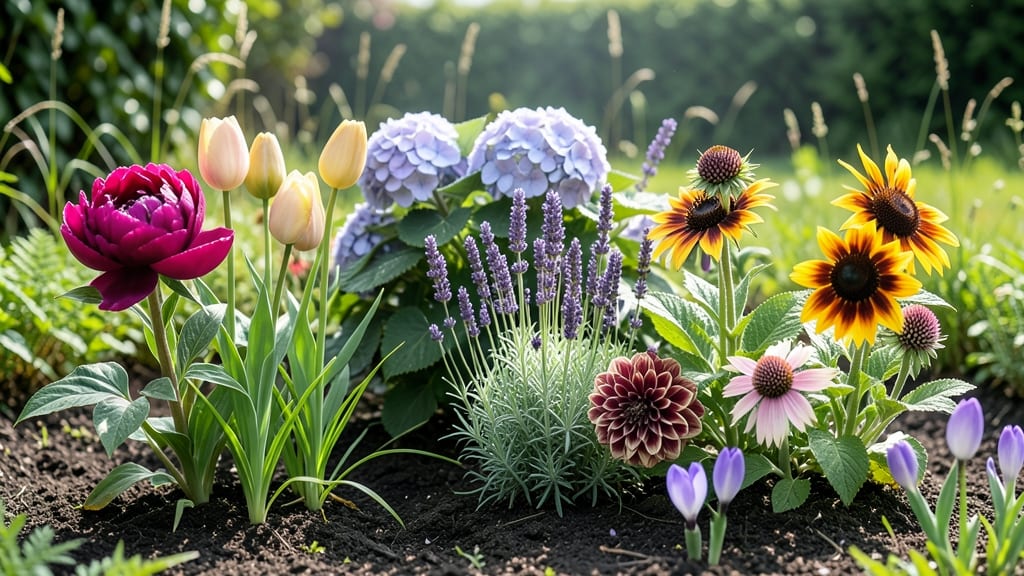
Right now, what's in bloom varies by region: springtime gardens glow with tulips, daffodils, and azaleas in cooler climates, while summer bursts with roses, sunflowers, and lavender, and autumn showcases chrysanthemums and goldenrod. Local climate zones determine exact bloom times for hardy plants.
Your location and current season dictate the floral showstopper. 🌸 For example, if you're in the Pacific Northwest, rhododendrons and camellias might still be in full swing during late spring, while Southern gardeners could be enjoying gardenias and crape myrtles.
Even within the same season, microclimates create variations—think of how desert lavender thrives in Zone 9 while its cooler-weather cousin blooms in Zone 5 gardens.
Pro tip: Use a plant hardiness zone map to pinpoint your area (most nurseries provide this) and check local bloom calendars. Many cities host "first bloom" events for iconic flowers—great for timing your own garden adventures! 🌿
💡 In This Article
- Seasonal Blooming Patterns by U.S. Plant Hardiness Zones
- How to Extend Bloom Seasons with Smart Gardening
Seasonal blooming patterns by U.s. plant hardiness zones
The U.S. Plant Hardiness Zone Map divides the country into 13 zones based on average minimum winter temperatures, and this system directly influences bloom timing.
For example, in Zone 3 (where winters dip below -40°F), early spring bloomers like crocuses and hellebores emerge as soon as soil temperatures reach 40-50°F—often in February or March.
Meanwhile, Zone 10 (mild winters, 30-40°F lows) might see camellias and gardenias flowering year-round, with peaks in late winter and spring.
Daylight hours also trigger blooming cycles. Short-day plants like chrysanthemums (fall bloomers) need 12-14 hours of daylight to flower, while long-day plants such as peonies (Zone 3-8) wait for 14+ hours of light before bursting into bloom.
Rainfall matters too—drought-sensitive flowers like hydrangeas may delay blooming until soil moisture stabilizes. In Zone 5, peonies typically bloom in late May to early June, while bougainvillea in Zone 9 thrives year-round but peaks in spring and fall due to temperature fluctuations.
Regional microclimates create even more variation. Coastal areas in Zone 8 (like San Francisco) might have azaleas blooming in December, while inland Zone 8 gardens (e.g., Texas Hill Country) see them peak in April.
The key is understanding your local cues: frost dates, rainfall patterns, and even urban heat islands (which can push bloom times earlier by 1-2 weeks). For instance, Washington, D.C. (Zone 7b) often sees dogwoods bloom in April, while Zone 7a areas (like Pittsburgh) might delay until May.
Hardy perennials like coneflowers and black-eyed Susans adapt to their zones by developing deeper root systems in colder climates. In Zone 4, these plants may bloom later but produce more robust flowers due to longer winter chilling periods.
Conversely, tender annuals like zinnias thrive in Zone 9 gardens but may require winter protection in Zone 5. The USDA map isn’t just about cold tolerance—it’s a roadmap for predicting when your garden will come alive with color.
Here’s a quick zone-by-zone breakdown of iconic blooms:
- Zones 3-5: Peonies (late May-June), lilacs (May), columbines (spring-fall)
- Zones 6-8: Roses (summer-fall), daylilies (June-August), salvias (spring-fall)
- Zones 9-10: Bougainvillea (year-round), hibiscus (summer-fall), plumbago (spring-fall)
Pro tip: Use a bloom calendar from your local cooperative extension office—these often include heat maps showing how climate change is shifting bloom times by 2-4 weeks in some regions. 🌸