
Pests and Diseases
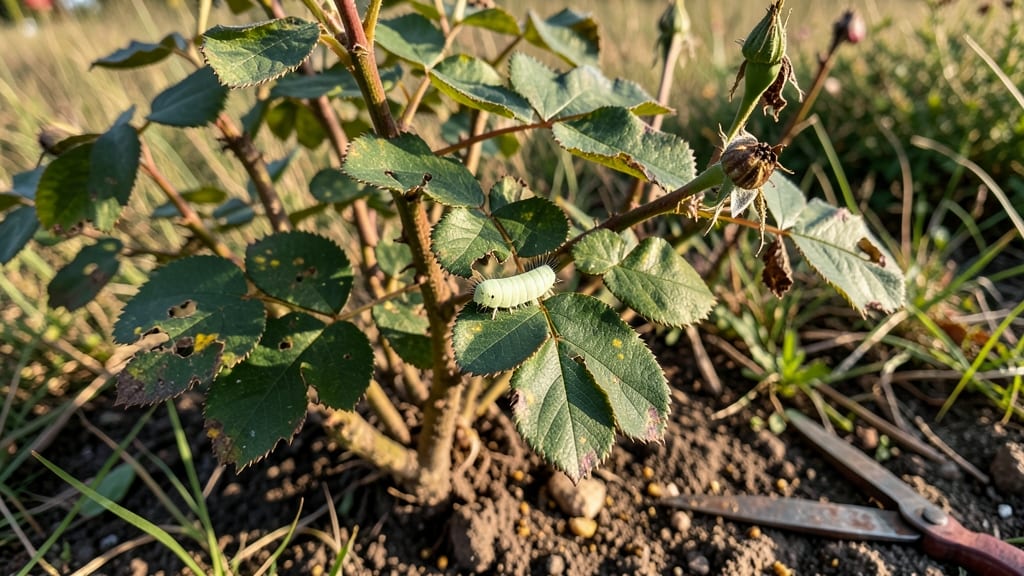
If you’re wondering what is eating my rose leaves in the UK, you’re not alone—blackened edges, skeletonized leaves, or sticky residue all point to aphids, sawfly larvae, or slugs wreaking havoc on your blooms. I’ve seen my own roses turn from lush to lamentable overnight, and the good news?
You can ID the pest and fix it fast without harsh chemicals. The damage tells the story: aphids leave a glossy honeydew trail, sawfly larvae chew neat holes, and slugs create ragged, slime-covered bites. Slugs are especially sneaky in damp UK summers, while sawfly larvae peak in late spring.
The key is acting before the pests move on to your next prized plant. With the right organic fixes—neem oil, pyrethrin sprays, or beer traps for slugs—you’ll see improvement within days. I’ve revived roses that looked doomed by simply targeting the right pest with the right treatment.
The secret? Checking leaves regularly and acting at the first sign of trouble. This works for all UK climates, from coastal gardens to inland plots. Let’s get those roses back to their full, fragrant glory.
Root Causes Of Leaf Damage
If your roses in the UK are looking more like a buffet than a blooming beauty, the culprits are likely tiny but mighty pests or hungry garden visitors. Understanding why this happens is the first step to reclaiming your roses.
Here’s a breakdown of the most common reasons—backed by science—and what’s really chowing down on your foliage.
Roses are a magnet for pests that love tender leaves, and the UK’s mild climate keeps many of them active year-round. These critters don’t just nibble—they can defoliate entire plants if left unchecked.
- Rose slugs (sawfly larvae): These squishy, green caterpillar-like pests are the top offenders in the UK. They skeletonize leaves—eating only the soft tissue between veins—leaving a lacy, unsightly pattern. Sawflies thrive in warm, damp conditions, which is why they’re so common in British summers. Fun fact: They’re not actually slugs but the larvae of sawfly insects, and they can strip a rose bush bare in weeks.
- Aphids: These tiny, sap-sucking insects cluster on new growth, causing leaves to curl, yellow, and drop. They excrete sticky "honeydew," which attracts sooty mold—a black fungal growth that further weakens the plant. Aphids reproduce exponentially, so a few can turn into thousands overnight, especially on stressed or over-fertilized roses.
- Japanese beetles: Though less common in the UK, these metallic-green invaders have been spotted in warmer regions like southern England. They chew irregular holes in leaves and devour petals, often targeting roses first. Why? Because roses contain phenolic compounds that beetles find irresistible.
- Caterpillars (e.g., cabbage white, vine weevil larvae): While vine weevils prefer roots, their larvae can still munch on leaves, especially in potted roses. Cabbage white butterflies lay eggs on roses, and their voracious caterpillars can strip plants in days. Pro tip: Look for frass (chewed leaf debris) clinging to the undersides of leaves—a sure sign of caterpillar activity.
Not all leaf damage is caused by chewing pests—some fungi mimic the effects of insects, leaving similar holes or discoloration. Misdiagnosing these can lead to wasted time and money on the wrong treatments.
- Black spot (Diplocarpon rosae): This fungal disease thrives in the UK’s humid climate, causing dark, circular spots with yellow halos. While it doesn’t eat leaves, it weakens them, making them easier targets for pests. Spores spread via water, so overhead watering turns your garden hose into a disease-spreading tool.
- Powdery mildew (Podosphaera pannosa): A white, flour-like coating on leaves may look harmless, but it blocks sunlight and stunts growth. Severely infected leaves turn brown and crispy, resembling pest damage. Why does it happen? Poor air circulation (common in dense rose bushes) and high humidity create the perfect breeding ground.
- Botrytis blight (Botrytis cinerea): This gray mold attacks damaged or senescing leaves, causing them to rot and fall prematurely. It’s often confused with pest damage because the symptoms—brown, mushy patches—look like chewing. Botrytis loves wet foliage, so mulching too close to the stems or watering at night invites trouble.
Roses under stress are like open invitations to pests and diseases. When leaves are already struggling, they become an easy snack for hungry garden visitors.
- Overcrowding: Dense planting reduces airflow, trapping moisture and creating ideal conditions for pests like aphids and fungi. Rule of thumb: Roses need 2–3 feet of space between plants for proper circulation.
- Nutrient deficiencies: Leaves lacking nitrogen (a key component of chlorophyll) turn yellow and weak, making them prime targets. Test your soil—UK gardens often lack nitrogen, phosphorus, or potassium, leaving roses malnourished and vulnerable.
- Improper watering: Overwatering leads to root rot and fungal growth, while underwatering stresses plants, making them more attractive to pests. Deep, infrequent watering (1–2 inches per week) keeps roots healthy and discourages aphids.
- Physical damage: Pruning wounds, hail, or even strong winds create entry points for pests and diseases. Always sterilize pruners with rubbing alcohol to prevent spreading pathogens.
Sometimes, the "pests" aren’t insects at all—they’re larger creatures with big appetites. These uninvited diners can cause just as much damage as aphids or caterpillars.
- Rabbits and deer: While they prefer tender shoots, they won’t hesitate to nibble on leaves if other food is scarce. Signs: Clean, jagged edges on leaves (unlike the ragged holes pests leave). Use physical barriers like chicken wire or repellents with thyme or garlic.
- Birds (e.g., pigeons, finches): Some birds peck at rose leaves, especially in urban gardens where natural food is limited. Solution: Install bird netting or reflective tape to deter them.
- Slugs and snails: Though they target lower leaves and stems, severe infestations can chew through entire plants overnight. Why now? The UK’s wet springs create perfect slug highways, and roses are a favorite snack.
Next up: How to identify the exact culprit with our step-by-step visual guide—because knowing who’s eating your roses is half the battle!
Save Your Roses Fast: Fixes for Chewed Leaves
Now that you’ve identified the culprit gnawing on your roses, it’s time to act! Here’s a practical, step-by-step guide to stop the damage and keep your garden thriving—without harsh chemicals if you prefer organic methods.
Signs: Irregular holes with silvery slime trails, often near damp soil or mulch.
🔥 Immediate Action
- 🍳 Set beer traps: Bury a shallow dish (like a yogurt pot) filled with beer near affected plants. Slugs will crawl in and drown—no mess, no fuss!
- 👨🍳 Handpick at night: Use a torch after dusk when slugs are most active.
Drop them in soapy water (cruel but effective). - 🥘 Create barriers: Surround plants with copper tape (slugs hate it!) or crushed eggshells. Reapply after rain.
🌡️ Long-Term Prevention
- ✨ Reduce hiding spots: Clear debris, mulch, and dense foliage where slugs lurk.
- 💡 Water in the morning: Damp soil at night attracts slugs—keep soil dry after sunset.
- 🎯 Encourage predators: Attract birds, hedgehogs, and ground beetles with a wildlife-friendly garden.
Signs: Sticky residue (honeydew), curled leaves, and clusters of small green/black bugs on undersides.
🔥 Immediate Action
- 🔪 Blast them off: Spray leaves with a strong jet of water (aphids can’t swim away!).
- 🍳 Soap spray: Mix 1 tbsp mild liquid soap + 1L water in a spray bottle.
Test on a small leaf first. - 🥘 Introduce ladybugs: Buy or attract ladybugs—they love aphids! Plant dill, fennel, or marigolds nearby to lure them.
🌡️ Long-Term Prevention
- 💡 Prune regularly: Remove heavily infested leaves to starve the colony.
- 🎯 Avoid over-fertilizing: Soft, new growth attracts aphids—balance your rose food!
- 🌿 Plant companion flowers: Garlic, chives, or nasturtiums repel aphids naturally.
Signs: Black, furry caterpillars (not worms!) and chewed leaves with skeletonized patterns.
🔥 Immediate Action
- 🔪 Handpick & drop in soapy water—they’re slow and easy to spot!
- 🍳 Neem oil spray: Mix 1 tsp neem oil + 1 tsp mild soap + 1L water.
Spray directly on larvae (they’re not hidden like aphids). - 🥘 Use row covers: If you see them early, cover young roses with fine mesh until they pupate.
🌡️ Long-Term Prevention
- 💡 Remove old leaves: Sawfly larvae overwinter in leaf litter—clean up in fall and spring.
- 🎯 Encourage parasitic wasps: These tiny warriors lay eggs inside sawfly larvae, killing them from within.
No action needed—just keep your garden diverse! - 🌿 Plant trap crops: Nettles or currant bushes attract sawflies away from roses.
Signs: Chewing on flower petals and leaves, leaving skeletonized edges. Adults are metallic green/gold with white tufts.
🔥 Immediate Action
- 🍳 Handpick & drown: Drop them in soapy water—do this in the morning when they’re sluggish.
- 🥘 Use floating row covers: Cover roses with fine netting to block adults from laying eggs.
- 🔪 Prune & destroy: Cut off heavily damaged flowers/leaves and compost them away from your garden (they’ll hatch into grubs).
🌡️ Long-Term Prevention
- 💡 Trap with pheromone traps: Hang Japanese beetle traps far from roses—they attract more beetles if placed too close!
- 🎯 Plant repellent herbs: Tansy, geraniums, or catnip deter them.
- 🌿 Avoid overwatering: Beetles love lush, soft growth—keep soil slightly dry.
Signs: Dark spots with yellow halos, wilting, or premature leaf drop.
🔥 Immediate Action
- 🔪 Prune infected leaves: Cut off blackened spots + 1 inch of healthy leaf with sterilized shears.
- 🍳 Baking soda spray: Mix 1 tsp baking soda + 1 tsp oil + 1L water + a drop of soap.
Spray every 7–10 days. - 🥘 Copper fungicide (organic option): Use copper-based sprays (like Bordeaux mixture) if the infection spreads.
🌡️ Long-Term Prevention
- 💡 Improve airflow: Space roses 3–4 feet apart and prune for open canopies.
- 🎯 Water at the base: Avoid wetting leaves—water in the morning so foliage dries quickly.
- 🌿 Choose resistant varieties: Look for disease-resistant roses (like ‘Knock Out’ or ‘Dr. Huey’).
- 🔥 Rotate treatments: If one method fails, switch to another (e.g., soap spray → neem oil).
- 🌡️ Monitor regularly: Check undersides of leaves and new growth weekly.
- 🎯 Keep a garden journal: Note what works (and what doesn’t) for future seasons!
- ✨ Encourage biodiversity: The more birds, bees, and beneficial bugs in your garden, the fewer pests you’ll see.
Your roses will bounce back faster than you think—just stay consistent! 🌹💪 Once you’ve tackled the immediate damage, focus on prevention to keep your garden pest-free for years. Happy pruning!
Frequently asked questions
Why do rose slugs leave a silvery slime trail?
The silvery slime is actually their protective mucus—rose slugs (sawfly larvae) secrete it to deter predators and prevent dehydration. This slimy trail is your clue to find their hiding spots under leaves or along stems. Look for clusters of these green, squishy caterpillars chewing neat holes between leaf veins.
Can I use the same treatment for slugs and aphids?
No, they need different approaches! Slugs require physical barriers (copper tape) or beer traps, while aphids respond to soap sprays or ladybugs. Mixing methods could harm beneficial insects that eat aphids. Always check the pest first—aphids leave sticky honeydew, while slugs create ragged, slime-covered holes.
How often should I check my roses for pests?
Inspect your roses every 3-4 days during peak seasons (spring to early autumn). Focus on undersides of leaves and new growth where pests hide. Early detection is key—some pests like sawfly larvae can defoliate a bush in 10 days if unchecked.
Will my roses recover if I lose most of their leaves?
Yes, but it takes time! Roses can regrow leaves from buds if the main stems are healthy. Prune back severely damaged growth and focus on preventing further damage. With proper care, you'll see fresh foliage in 4-6 weeks
Are Japanese beetles really a problem in the UK?
They're becoming more common in southern England (especially Kent and Sussex) due to warmer climates. While not widespread, they're aggressive feeders that can strip roses bare. If you spot metallic green beetles with white tufts, act fast—handpick them in the morning when they're sluggish.