
Shrubs
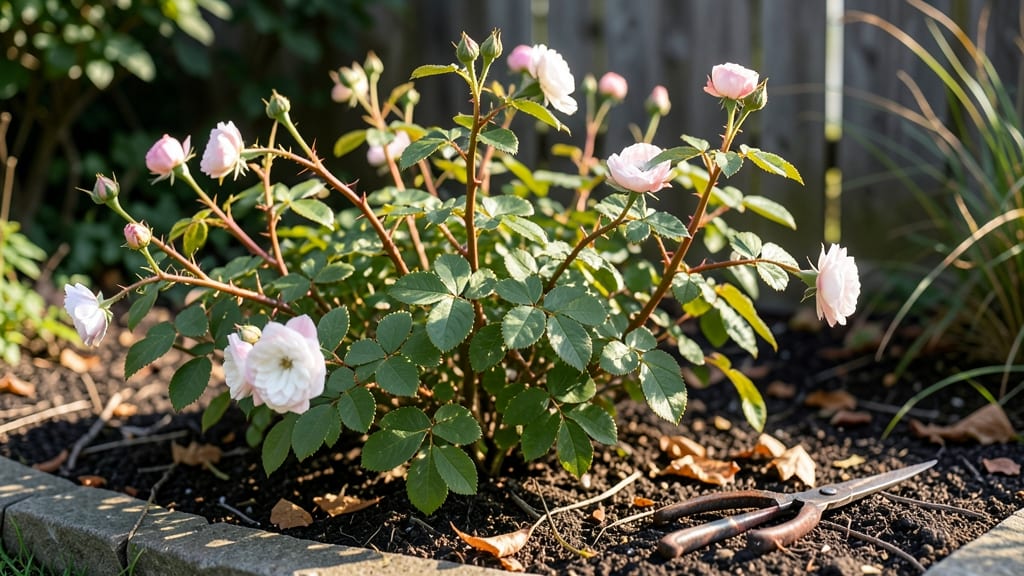
A briar rose is a thorny, wild rose variety—often Rosa rubiginosa—famous for its deep red blooms, hardy growth, and symbolic ties to folklore like Sleeping Beauty, where its thorns guard enchanted slumber. These roses thrive in hedges, gardens, and natural landscapes with minimal care, offering both beauty and resilience.
A briar rose isn't just a plant—it's a living piece of folklore, blending rugged beauty with deep cultural meaning. 🌹 These wild roses, known for their sharp thorns and vibrant flowers, have starred in countless fairy tales and legends as symbols of both protection and danger.
In modern gardens, they're prized for their low-maintenance nature, making them perfect for hedges or natural borders that attract pollinators while requiring little attention.
What sets briar roses apart is their dual role: in stories, they're often the barrier to something magical (like Sleeping Beauty's castle), while in real landscapes, they create lush, thorny barriers that deter pests naturally.
Their deep roots and adaptability make them ideal for tough conditions, from rocky slopes to urban gardens. Whether you're drawn to their mythic past or practical benefits, briar roses deliver both charm and functionality.
💡 In This Article
- Briar Rose Varieties and Their Folklore Significance
- Growing and Landscaping with Briar Roses
Briar rose varieties and their folklore significance
The term "briar rose" most commonly refers to Rosa rubiginosa, also called the sweet briar or eglantine, which produces clusters of delicate, pinkish-red flowers with a sweet fragrance that lingers in the evening air.
This species stands out botanically with its glossy, dark green leaves and dense, arching growth habit, reaching heights of 6-10 feet when left unpruned. What makes it unique is its double thorns—sharp, curved spines that earned its reputation as a natural barrier in folklore.
The connection between briar roses and protection stems from their thorny nature, which in medieval times symbolized both defense and warning.
In Celtic mythology, roses were associated with the goddess Brigid, where their thorns represented the boundary between the sacred and the mundane. 🌿 The Rosa arvensis (field rose) variant, with its paler pink blooms and single flowers, appears in Scandinavian folklore as a symbol of fleeting beauty—its petals often used in love charms before fading quickly.
The contrast between these varieties highlights how different briar roses were woven into distinct cultural narratives, from curses to blessings.
Folklorists trace the briar rose's modern symbolism to 18th-century French fairy tales, where its thorns became metaphors for both danger and transformation.
The Sleeping Beauty tale popularized the idea of briars as magical guardians, but earlier Celtic and Norse traditions used them to mark sacred groves or fairy paths.
The thorns' sharpness made them practical for creating impenetrable hedges, while their beauty made them objects of desire—creating the perfect duality for storytelling. In Victorian England, briar roses were even planted around graveyards as symbols of eternal vigilance.
Botanically, the key difference between Rosa rubiginosa and other wild roses lies in their hip (fruit) production. Briar roses develop bright red, oval hips that persist through winter, providing food for birds and adding color to winter landscapes.
These hips contain vitamin C, which is why sweet briar infusions were historically used to prevent scurvy—a practical use that reinforced their reputation as both beautiful and useful plants. The hips' tart flavor (similar to cranberries) contrasts with the flowers' sweetness, showcasing the plant's versatility.
Modern gardeners often confuse briar roses with dog roses (Rosa canina), which share similar thorny growth but produce larger, solitary blooms. The key identifier? Briar roses grow in dense, tangled thickets with multiple stems per plant, while dog roses typically have single, upright stems.
This growth habit makes briar roses ideal for creating natural privacy screens or wildlife corridors, as their tangled branches provide shelter for small animals and insects.
What most people don't realize is that briar roses were historically cultivated for their fragrance rather than just their appearance. The Rosa rubiginosa variety's scent is particularly strong in the evening, earning it the nickname "evening-scented rose."
This trait made it popular in Victorian perfume-making, where its notes were blended with other floral essences. Today, you can still find briar rose extracts in natural cosmetics and herbal teas, bridging the gap between folklore and modern practicality.
If you're considering adding briar roses to your garden, remember that their aggressive root systems make them perfect for erosion control on slopes or wildlife-friendly borders.
Their ability to thrive in poor soil and low light conditions (compared to hybrid roses that need full sun) makes them one of the most resilient plants for low-maintenance landscapes. The trade-off?
Their spreading habit means they'll need regular pruning to keep them from overtaking other plants—making them ideal for gardeners who want beauty with minimal upkeep.