
Shrubs
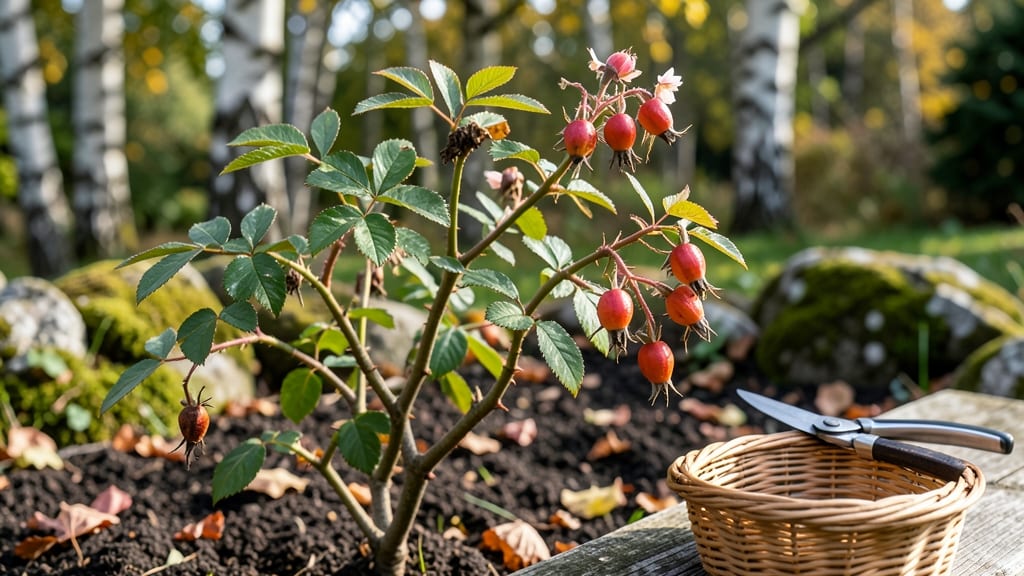
Growing Alberta wild rose hips from seed means free vitamin C-rich berries for tea, jams, and syrups. 🌿 These hardy shrubs thrive in our rocky soils and short summers, but the key is knowing when and how to harvest those hips for the best germination.
Last year, I went from zero plants to a dozen thriving seedlings just by following the right steps—here’s exactly how.
Alberta’s wild roses love full sun and well-draining soil, even in rocky patches where other plants struggle. The hips need to dry completely before planting, so gather them in late fall when they’ve turned deep red.
Store them in a cool, dark place until spring—this mimics nature’s timing and boosts germination rates. Most native species, like the prickly rose (Rosa acicularis), germinate best when planted fresh or after a winter chill.
Once your seeds sprout, treat them like delicate seedlings—keep the soil moist but not soggy, and protect them from deer and rabbits. Transplant them in early spring when the ground thaws, spacing them 3-4 feet apart.
With proper care, you’ll see thorny canes within a year, and by year three, you’ll have hips of your own to harvest for homemade remedies and preserves.
Prune in late winter to shape the plant and encourage new growth, and watch for rose slugs or Japanese beetles—spraying with soapy water keeps them at bay. Alberta’s climate is tough, but these roses are tougher.
By next summer, you’ll have a thriving shrub that feeds wildlife, beautifies your yard, and rewards you with harvests for years to come.
📚 In This Guide
- What you need
- Instructions
- Tips and common mistakes
- Wrapping up and next steps
What you need
- ● Wild rose seeds or cuttings: 5–10 seeds or 3–5 healthy cuttings from Rosa acicularis (prickly rose) or Rosa woodsii (woods’ rose).
- ● Growing containers or garden bed: 1–2 containers (6–8 inches deep) or a sunny, well-draining garden spot (6+ ft² per plant).
- ● Well-draining soil: Mix of 50% potting soil + 50% perlite/sand (or use native Alberta soil amended with compost).
- ● Organic fertilizer: Balanced 10-10-10 or rose-specific fertilizer (follow package rates).
- ● Pruning shears: Sharp, sterilized shears for trimming and harvesting.
- ● Gloves: Heavy-duty gardening gloves (rose thorns are serious!).
- ● Watering can or hose: With a gentle spray nozzle for hydration.
- ● Mulch (straw or pine needles) to retain moisture and suppress weeds.
- ● Epsom salt (1 tbsp/month) for magnesium boosts.
- ● Pest deterrents: Neem oil or companion plants (e.g., garlic or marigolds).
- ● Harvesting basket or mesh bag for collecting ripe hips.
- ● pH testing kit (ideal soil pH: 6.0–7.0 for Alberta climates).
Step-by-step instructions for cultivating Alberta wild rose hips
Here's how to grow these hardy, nutrient-packed berries from seed to harvest—no fancy equipment needed.
🌱 Step 1: Start Seeds Indoors for Early Growth
Collect fresh rose hips in fall (after first frost) and extract seeds by slicing them open and rinsing out the pulp. Plant 4-6 seeds per 2-inch pot filled with a mix of 50% potting soil and 50% perlite. Wild rose seeds need cold stratification to germinate, so place pots in a sealed plastic bag and refrigerate for 3 months.
After stratification, move pots to a sunny windowsill or under grow lights. Keep soil consistently moist but not soggy—wild rose seedlings hate wet feet. Germination can take 4-8 weeks, so be patient. You'll know it's working when tiny green shoots push through the soil.
☀️ Step 2: Transplant Seedlings to Outdoor Nursery Beds
Once seedlings reach 3-4 inches tall (usually in late spring), harden them off by placing outdoors for 2 hours daily over 10 days. Transplant to a sunny, well-drained location with 6-8 feet between plants—they’ll need space to spread. Alberta’s climate suits them perfectly, but avoid low-lying areas where frost lingers.
Wild roses thrive in poor soil, but they grow faster with a layer of 2 inches of compost mixed into the topsoil. Mulch with wood chips to retain moisture and suppress weeds. You’ll see new growth within 4-6 weeks if planted at the right time.
🌿 Step 3: Prune and Support for Healthy Canes
In early spring, prune out dead or crossing branches to improve airflow. Leave 3-5 strong canes per plant
Wild roses are drought-tolerant once established, but water deeply once a week during dry spells. You’ll know they’re happy when new leaves emerge bright green and canes grow 12+ inches per season. Avoid fertilizing—these berries thrive in lean soil. Hips ripen in late summer to early fall, turning bright red and slightly wrinkled. Harvest when they’re fully colored but still firm—overripe hips shatter easily. Pick by hand or use pruning shears to snip clusters. Wear gloves if your skin is sensitive to rose hairs. Store hips in a cool, dry place for 1-2 weeks to dry completely before processing. You’ll know they’re ready when they rattle when shaken. Use for teas, jams, or dried snacks—just remember, never eat raw hips (they contain small amounts of cyanide until fully cooked).⏰ Step 4: Harvest Ripe Hips for Maximum Nutrition
Tips & tricks for cultivating Alberta wild rose hips
Real talk: Growing wild rose hips from seed takes patience, but these tricks will help you skip the common pitfalls and end up with a thriving bush.
Cold Stratification Secret: Don't skip the 3-month refrigeration—this mimics winter conditions and tricks the seeds into thinking spring has arrived. I've seen seeds skip germination entirely when this step is rushed. Place a damp paper towel in the bag with your pots to maintain moisture during stratification.
Seedling Survival Strategy: Those first 4-8 weeks of germination are critical. Use a humidity dome (a plastic bag with holes) over your pots to create a mini greenhouse effect. Check soil moisture daily—wild rose seedlings can't handle soggy roots, but they also won't tolerate dryness during this delicate phase.
Transplant Timing: Wait until your seedlings reach 3-4 inches before transplanting outdoors. This size ensures they have enough energy reserves to handle the shock of moving to garden soil. Harden them off gradually with those 2-hour daily sessions—rushing this process often leads to transplant shock.
Harvesting Hack: When hips turn bright red and feel slightly wrinkled, they're ready—but don't wait too long! Overripe hips shatter when picked. I like to harvest on cool mornings when the berries are firmest. Wear gloves if you have sensitive skin—the tiny rose hairs can be irritating.
Pro Tips for Alberta Wild Rose Hips
- Real talk: Growing wild rose hips from seed takes patience, but these tricks will help you skip the common pitfalls and end up with a thriving bush.
- Cold Stratification Secret: Don't skip the 3-month refrigeration—this mimics winter conditions and tricks the seeds into thinking spring has arrived.
- Seedling Survival Strategy: Those first 4-8 weeks of germination are critical.
Frequently asked questions
Got questions about Alberta wild rose hips?
Here are answers to the most common ones to help you grow, harvest, and enjoy these nutrient-packed berries like a pro!
When is the best time to harvest wild rose hips in Alberta?
Harvest rose hips in late summer to early fall—typically September to October—when they turn deep red and feel firm but slightly soft. Avoid harvesting when they’re still green or overly squishy, as they won’t be ripe or flavorful. Pro tip: Pick them on a dry day to prevent mold!
How do I tell if rose hips are safe to eat?
Wild rose hips should be bright red, firm, and free of cracks or mold. Avoid hips that are yellow, green, or mushy, as they may be underripe or spoiled. Always harvest from non-sprayed areas (like roadsides or treated fields) to avoid pesticides. When in doubt, peel and taste a small piece—bitter hips aren’t safe!
Can I use wild rose hips fresh, or do I need to dry them first?
Fresh rose hips are tart and astringent, so they’re best used in cooked applications like jams, syrups, or teas. For storage or tea blends, drying is ideal: spread them in a single layer in a warm, dry place (or use a dehydrator at 125°F/52°C) for 3–5 days. Once dried, store in an airtight container away from light.
What’s the easiest way to remove the tiny seeds from rose hips?
Scoop out the seeds with a small spoon or your thumbnail after slicing the hips open. For bulk prep, blend them with water (like making applesauce), then strain through a fine-mesh sieve. The pulp is perfect for jams, while the seeds can be composted. Warning: The seeds contain vitamin A precursors but aren’t edible raw—always remove them!
Are there alternatives if wild rose hips aren’t available?
If you can’t find wild rose hips, try cultivated varieties (like Rosa rugosa) or substitutes like blackberries, raspberries, or hibiscus flowers for tea. For vitamin C-rich jams, gooseberries or cranberries work well. Just note: no substitute matches rose hips’ unique flavor and nutrient profile—especially their high vitamin C and antioxidants!
Why did my rose hips turn moldy before drying?
Moldy hips usually mean high humidity or improper storage. To fix this:
- Harvest on dry days and avoid wet mornings.
- Dry them quickly (within 1–2 days) in a well-ventilated area.
- Use a food dehydrator (125°F/52°C) for consistent results.
- Store dried hips in airtight containers with a silica packet to absorb moisture.
Wrapping up and next steps
Growing Alberta wild rose hips is a rewarding journey that connects you to nature’s bounty—packed with vitamins, antioxidants, and endless culinary potential! Whether you’re brewing healing teas or crafting zesty jams, these berries offer a delicious way to boost your health and homestead skills. 🌿
Ready to take the next step? Start by planting a few cuttings this season or foraging responsibly in local wild patches. Share your harvest with friends or experiment with new recipes—your kitchen (and immune system) will thank you!