
Blooming
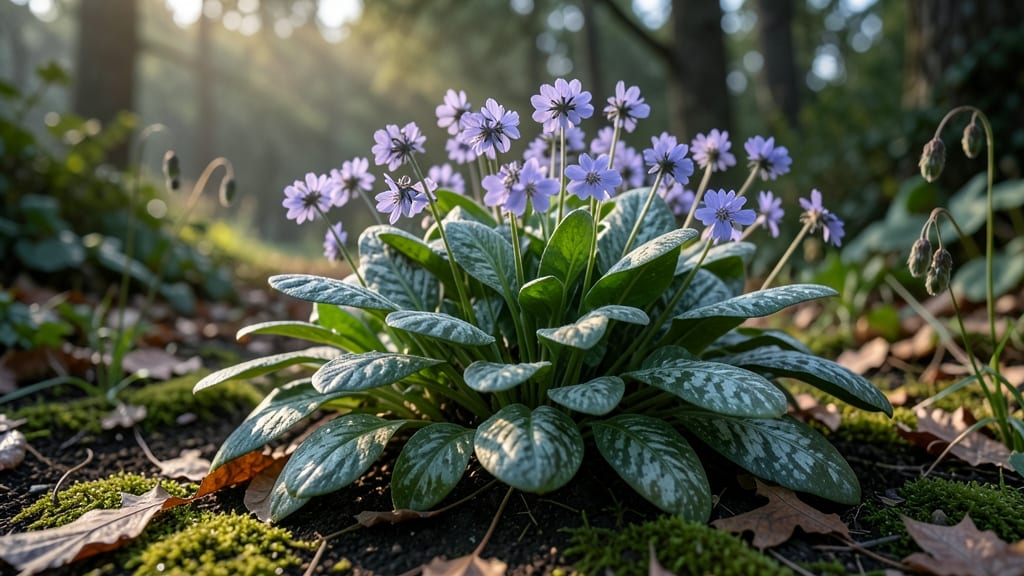
March brings a burst of color even in chilly climates. These 10 hardy flowers defy early-spring frost and transform gardens into vibrant canvases, offering pollinators their first feast of the season.
Crocus Flowers in Purple and White
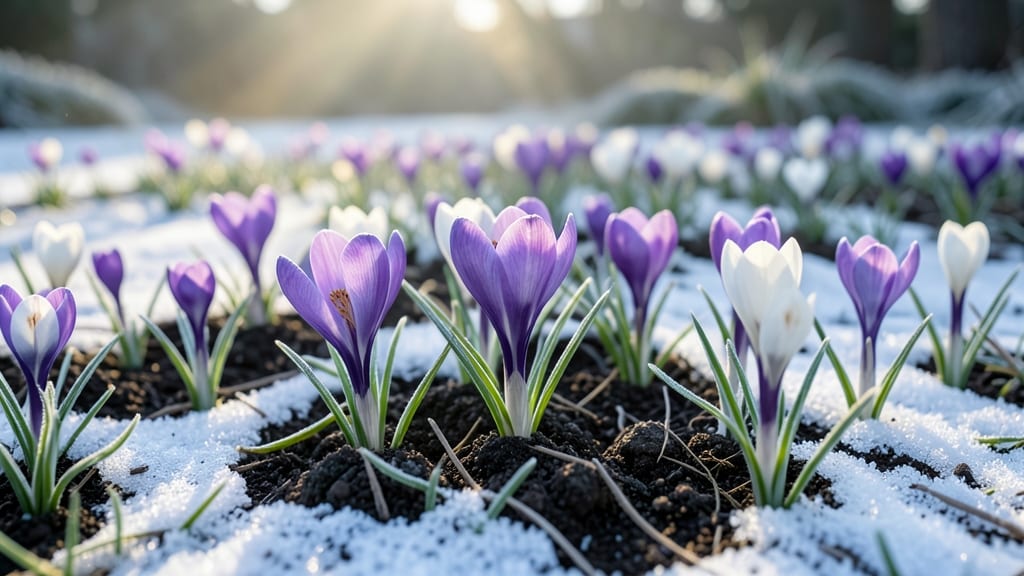
When winter still clings to your garden, crocus flowers in purple and white are nature’s way of saying, "Spring is coming!" These tiny but mighty blooms often emerge through snow-covered lawns, defying the cold with their cheerful presence.
Plant them in full sun to partial shade for best results, and watch them naturalize effortlessly over time. They thrive in grassy areas, rock gardens, or even containers, making them perfect for urban gardeners with limited space. A little mulch in fall helps protect their roots from extreme cold.
Perfect for beginners or experienced gardeners alike, crocuses require minimal care and reward you with early-season color. They’re also a favorite of pollinators like bees, giving your garden a head start on supporting wildlife. 🌱
Daffodils with Golden Trumpet-Shaped Blooms
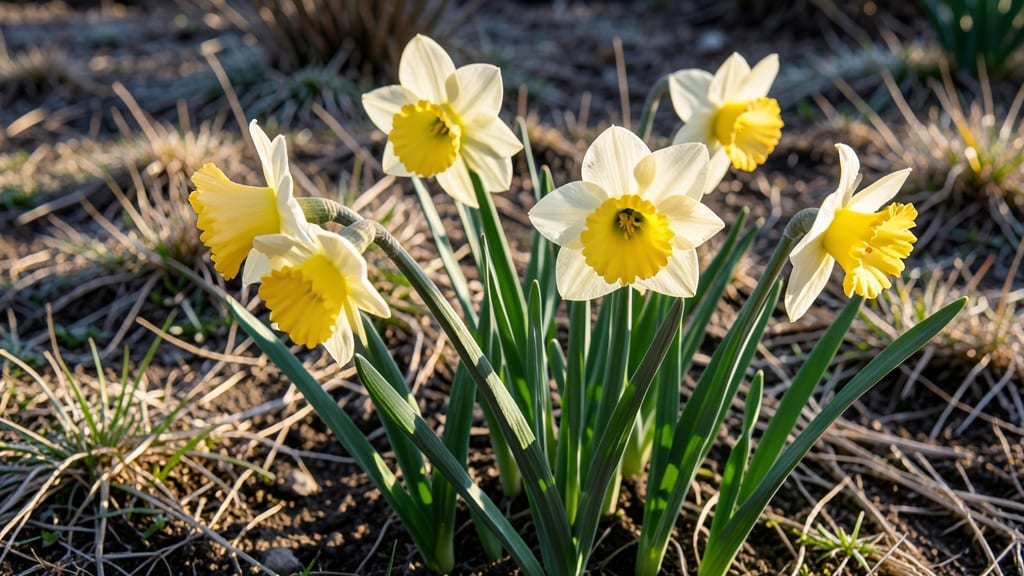
When deer browse your garden like an all-you-can-eat buffet, daffodils become your secret weapon. Their toxic sap deters hungry herbivores while their golden trumpet-shaped blooms light up March gardens with cheerful color, even in USDA zones 3-8.
These cold-hardy bulbs offer flexibility too—choose from 6-inch dwarf varieties for edging or 24-inch giants as statement plants. They thrive in full sun to partial shade and naturalize over time, creating drifts of color that return year after year with minimal care. Plant bulbs in fall for next March's show. 🌻
Snowdrops Delicate White Bell Flowers
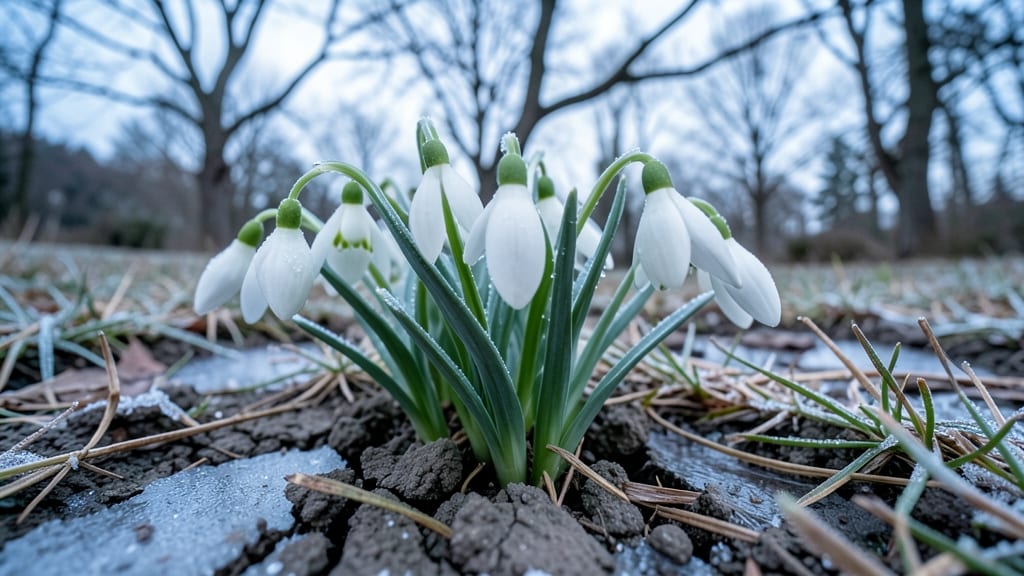
When your garden looks like a winter wasteland, snowdrops prove nature’s resilience by blooming through snow and ice. These delicate white bell flowers push through frozen ground as early as February in many climates, offering a whisper of spring when nothing else dares to bloom.
Perfect for woodland gardens or under deciduous trees, snowdrops thrive in dappled shade where sunlight filters gently through branches. They’re low-maintenance perennials that multiply over time, creating naturalizing drifts. Plant bulbs in fall for winter-to-early spring blooms, and enjoy their subtle beauty without fuss.
Ideal for gardeners with shady spots or those who love early pollinator support, snowdrops bring quiet elegance to overlooked corners. 💚
Purple Violas in Mixed Colors
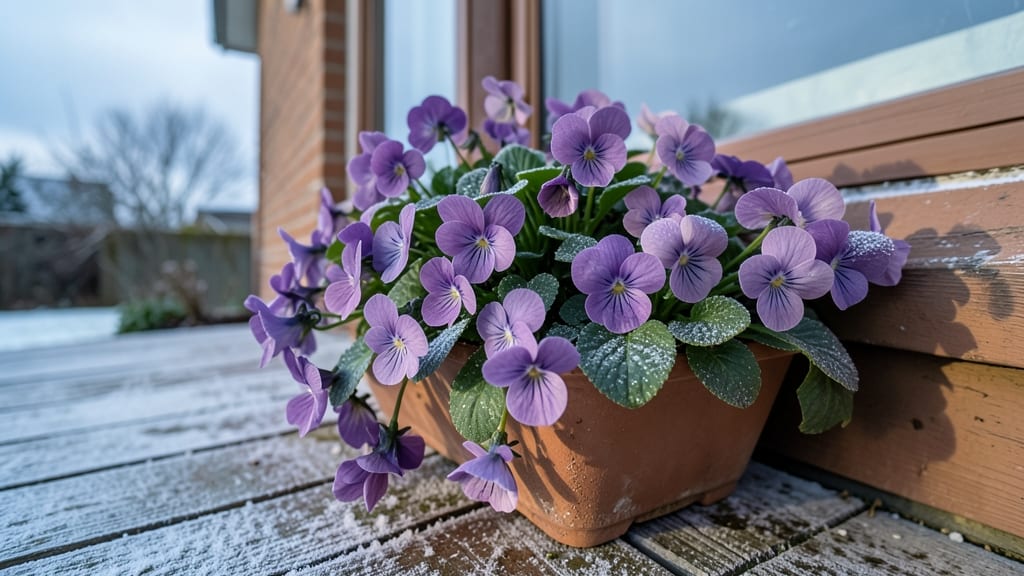
When your patio or window boxes still look bare in early March, purple violas are the secret weapon for instant color. These cheerful annuals defy chilly temperatures, blooming continuously from late winter through spring frost—making them the perfect bridge between dormancy and full bloom season.
Violas thrive in containers or hanging baskets, where their trailing stems spill over edges, creating a lush, colorful display. Plant them in well-draining soil with 4-6 hours of sunlight daily, and deadhead spent blooms to encourage nonstop flowering. Their cold-hardy nature means you can plant them as soon as soil is workable, often weeks before other annuals.
Perfect for urban gardeners or anyone with limited space, violas also attract early pollinators like bees and butterflies. Mix purple with white or yellow varieties for a stunning, low-maintenance spring palette. 🌷
Bleeding Heart Plant with Pink Heart-Shaped Flowers
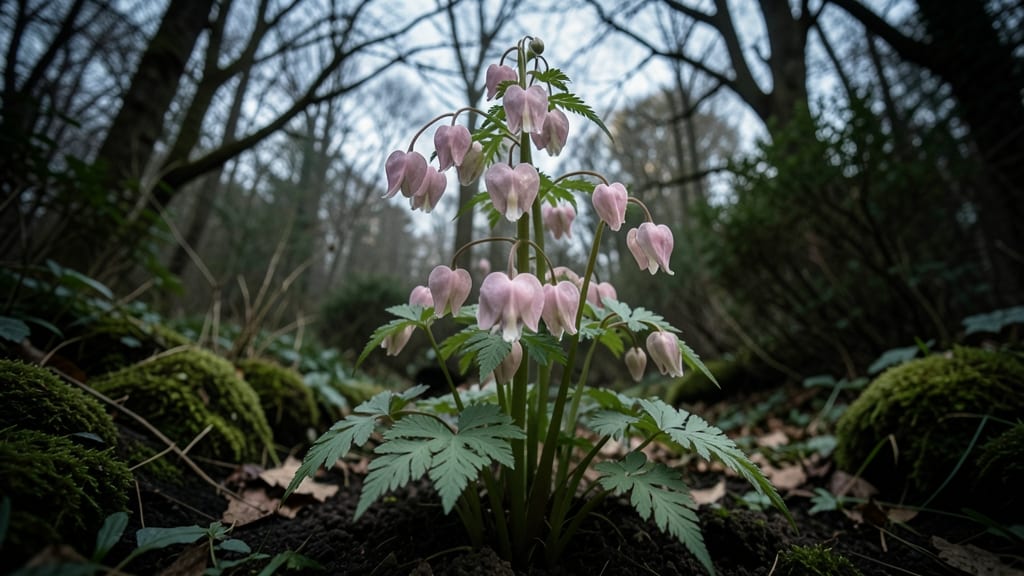
If your garden feels like a shadowy forest in early spring, the bleeding heart plant (Dicentra spectabilis) is your secret weapon. This delicate perennial emerges early in cool climates, offering vertical drama with its cascading pink heart-shaped blooms—long before most other perennials wake up.
Plant it in partial to full shade where temperatures stay mild, such as under deciduous trees or along north-facing walls. Its fern-like foliage thrives in moist, well-draining soil, and it rewards patience with late spring to early summer blooms that last 4-6 weeks. For best results, divide clumps every 3-4 years to maintain vigor.
Woodland gardeners and shade enthusiasts will love how this plant softens dark corners while attracting hummingbirds. It’s the perfect early-season focal point for those who crave romance in their gardens. 💚
Winter Aconite Bright Yellow Star-Shaped Blooms
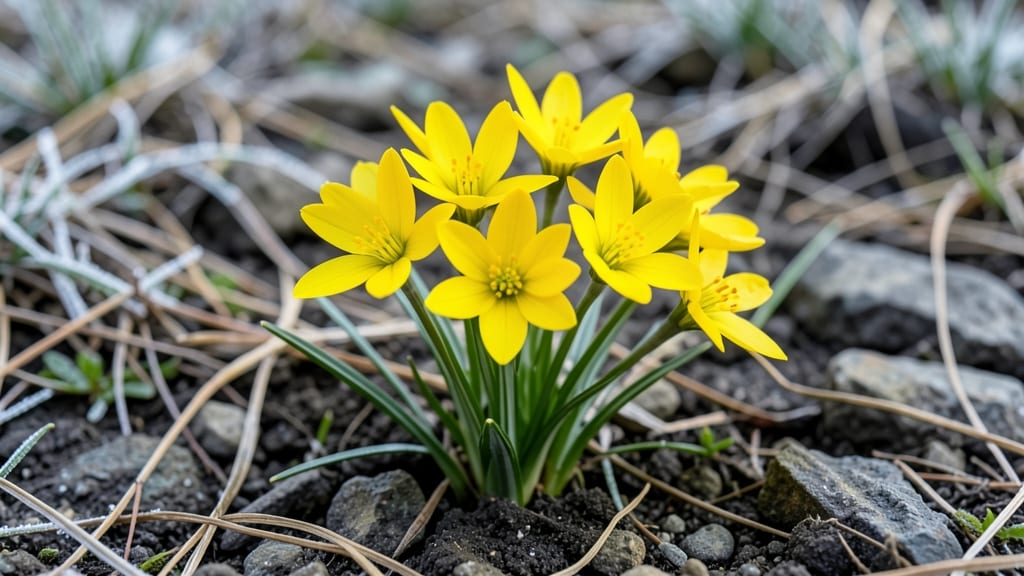
Forget the finicky flowers—winter aconite (Eranthis hyemalis) is the unsung hero of early spring, popping up through snow with its cheerful bright yellow star-shaped blooms when most gardens are still asleep. This hardy perennial thrives in conditions where others fail, making it perfect for rocky soils, crevices, or shady spots under trees.
Plant it in partial shade to full shade and well-draining soil—even gravelly patches—where it spreads slowly but reliably. Its blooms appear in late winter to early spring, often before snowdrops or crocuses, and its glossy, lobed leaves add texture long after the flowers fade. A bonus? It’s toxic to pets, so keep it away from curious cats and dogs.
Ideal for gardeners with tough spots to fill, winter aconite brings early color with minimal fuss. Perfect for rock gardens, woodland edges, or even containers in partial shade. 🌟
Hellebores with Nodding Green and White Flowers
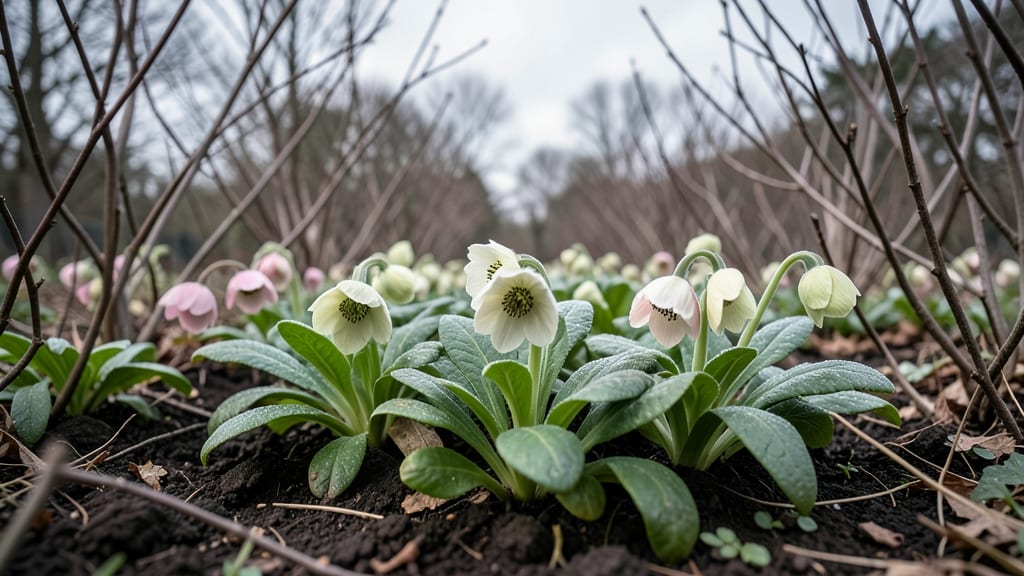
When your garden feels like a blank canvas in early spring, helleborus (commonly called hellebores) steps in as the unsung hero. These evergreen perennials bloom from late winter through March, offering delicate nodding flowers in shades of green, white, or soft pink when most other plants are still dormant.
Thriving in shady spots beneath trees or along north-facing walls, hellebores tolerate poor, rocky soil and even light frost. Their leathery foliage stays green year-round, providing structure and interest even when flowers fade. For best results, plant in well-draining soil and water occasionally—once established, they’re remarkably low-maintenance.
Perfect for gardeners who want color without sun, hellebores are especially valuable in woodland gardens or understory plantings where few other plants bloom this early. 🌿
Sweet Alyssum Tiny Fragrant White Flowers
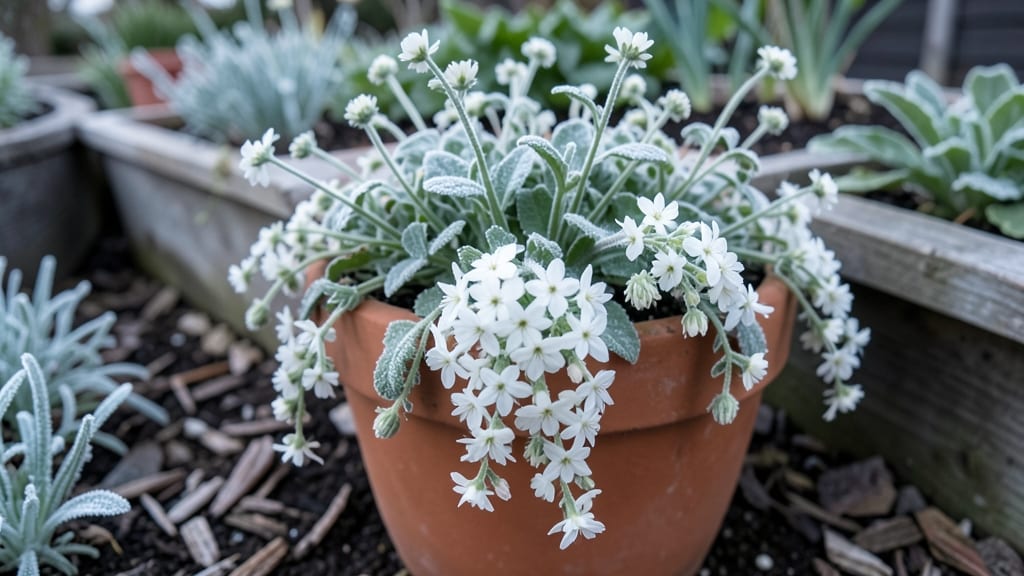
Looking for a low-maintenance way to add delicate charm to your early spring garden? Sweet alyssum is your secret weapon—its fragrant white flowers burst into bloom as soon as temperatures rise above freezing, filling gaps in borders or spilling over containers like a fragrant waterfall.
This cold-tolerant annual thrives in full sun to partial shade and spreads rapidly, creating lush mats of tiny blossoms that attract pollinators like bees and butterflies. For best results, sow seeds directly in late winter or early spring (as soon as soil is workable) or scatter them over existing soil—they self-seed effortlessly for years of effortless color. Prune lightly after flowering to encourage bushier growth.
Perfect for urban gardeners, balcony planters, and busy beginners, sweet alyssum turns bare spots into fragrant displays with minimal effort. Just add water and watch it transform your space! 🌱
Pansies in Purple Blue and Yellow
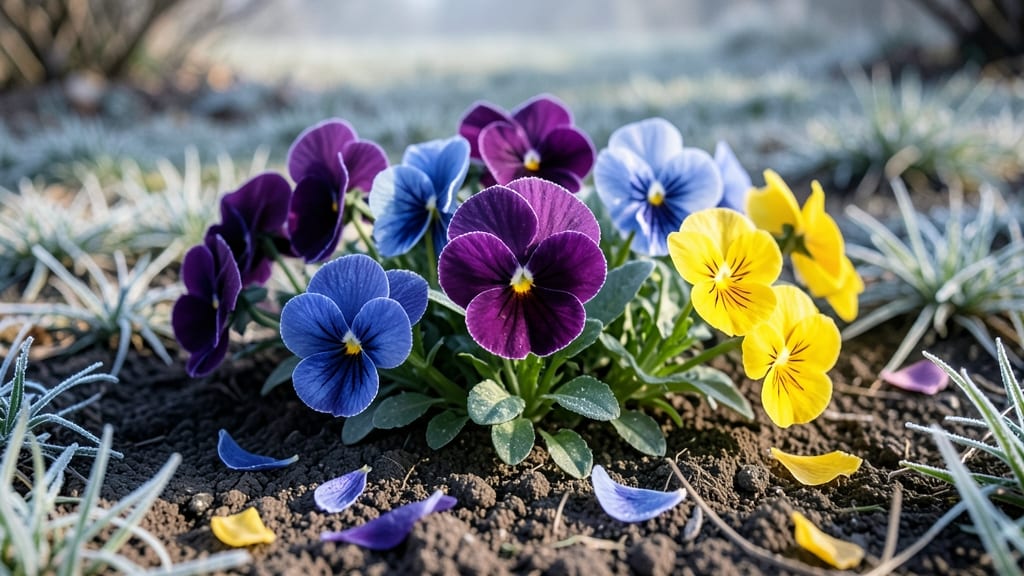
When March’s chill still lingers, pansies in purple, blue, and yellow burst through like tiny spring messengers. Unlike many early bloomers, these hardy annuals thrive in temperatures as low as 25°F, making them perfect for extending your garden’s color palette well into late winter.
Plant them in well-drained soil with 4-6 hours of sun, and they’ll reward you with continuous blooms from early spring through frost. Their pollinator-friendly flowers attract bees and butterflies, giving your garden an early boost of activity. For urban gardeners, they’re ideal in hanging baskets or window boxes, where their cheerful faces brighten small spaces.
Perfect for beginners or busy gardeners, pansies require minimal care and deliver maximum impact—just pinch back spent blooms to encourage more flowers. 🌻
Lungwort with Spotted Purple and Blue Flowers

If you're looking to add textural drama to your shaded garden beds, lungwort (Pulmonaria spp.) is your secret weapon. This underrated perennial combines delicate purple-blue flowers in early spring with striking foliage covered in silvery spots that fade to green—creating a two-season show.
Thriving in moist, dappled-shade conditions, lungwort is perfect for woodland gardens, understory plantings, or even as a ground cover near trees. Its early blooms (March-April) provide nectar for bees before many other perennials emerge, while the spotted leaves add visual interest long after flowering fades. For best results, keep soil consistently moist and mulch to retain humidity.
Shade gardeners and woodland enthusiasts will love how lungwort bridges the gap between winter dormancy and summer growth. Pair it with hellebores or ferns for a lush, low-maintenance understory. 💚