
Watering
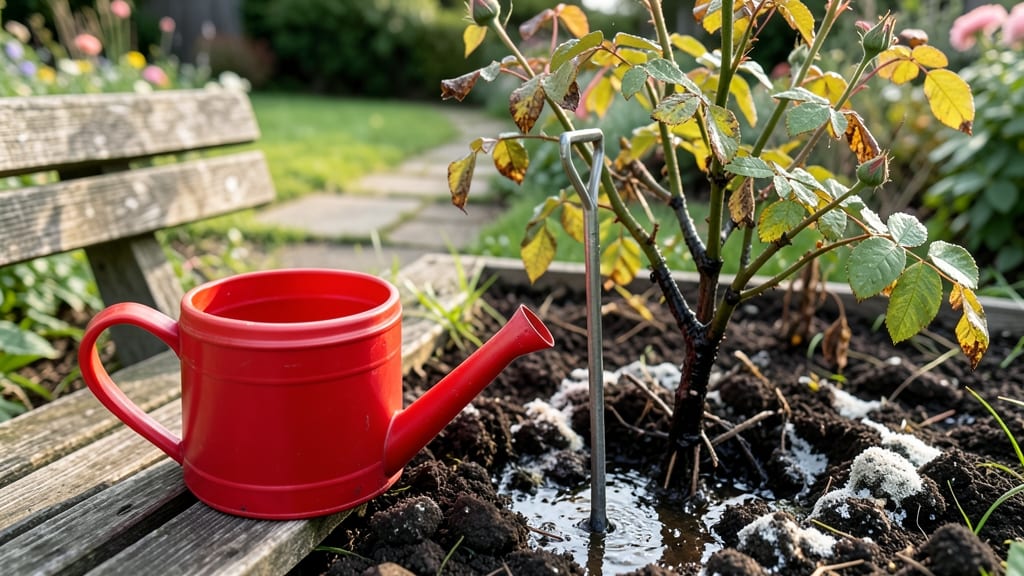
What do overwatered roses look like—drooping leaves, yellowing stems, and roots that feel mushy when touched—signs your plants are drowning, and I’ve seen roses go from lush to wilted messes in just days when watered too much. much, and the early warning signs are impossible to miss if you know what to look for.
Start by checking the soil: it should feel like a damp sponge, not a soggy sponge. Yellowing leaves that turn brown at the edges and stems that feel soft or hollow are classic overwatering red flags.
Even worse, the roots may smell foul and pull apart easily—this is root rot in action, and it’s a silent killer.
Fixing it starts with cutting back on water. Let the top 2-3 inches of soil dry out completely between waterings, and make sure your pots or garden beds have proper drainage. A quick soil test with your finger (or a moisture meter) can save your roses before the damage spreads.
For severe cases, prune away mushy stems and repot in fresh, well-draining soil. The good news? Roses are resilient—once you adjust their watering routine, they bounce back faster than you’d expect. The key is acting fast before the roots give up entirely.
The Real Culprits Behind Overwatered Roses
Overwatering roses isn’t just about giving them too much love—it’s a science of poor drainage, root suffocation, and fungal feasts. When your roses start looking sad with drooping leaves or yellowing stems, the blame often lies in one (or more) of these hidden triggers.
Let’s break down the why behind the wilt.
Roses thrive in well-draining soil, but compacted, clay-heavy, or organic-rich soil can turn your garden into a swamp. When water pools around roots instead of draining away:
- Oxygen deprivation: Roots need air to breathe—just like you! Too much water displaces oxygen, causing roots to drown and turn brown or black.
- Nutrient lockout: Excess water washes away essential nutrients (like nitrogen and potassium) that roses need to stay vibrant.
- Fungal highways: Stagnant water creates the perfect breeding ground for root rot (caused by Phytophthora or Pythium fungi), which clogs root cells and blocks water uptake.
Pro tip: Test your soil’s drainage by digging a 6-inch hole, filling it with water, and timing how long it takes to drain. If it’s still soggy after 4+ hours, amend with perlite, sand, or compost to improve airflow. 💡
Roses are thirsty but not drowning machines. Common mistakes that lead to overwatering include:
- Watering on a schedule: Roses need 1–1.5 inches of water per week (including rain), but rigid schedules ignore soil moisture levels. Stick your finger 2 inches deep—if it’s damp, wait!
- Light, frequent sprinkles: Shallow watering encourages roots to stay near the surface, where they’re more vulnerable to drying out and waterlogging.
- Ignoring weather: Heavy rain + your watering routine = double the disaster. Use a rain gauge or weather app to adjust.
Action step: Water deeply 2–3 times per week (early morning is best) and let the top 2 inches of soil dry between sessions. A soaker hose or drip irrigation delivers water slowly, reducing runoff. 🌱
Potted roses are prone to overwatering because containers drain poorly and dry out unevenly. Key issues:
- No escape routes: Small pots lack drainage holes, trapping water at the bottom where roots can’t access oxygen.
- Evaporation mismatch: Pots dry out faster on top but stay soggy below, creating a moisture gradient that confuses roots.
- Material matters: Terracotta “breathes” better than plastic, but even it can’t compensate for no drainage holes.
Fix it fast:
- ✅ Use pots with drainage holes + a cache pot (outer pot with gravel) to control moisture.
- ✅ Switch to fast-draining mixes (50% potting soil, 30% perlite, 20% sand).
- ✅ Water only when the top inch is dry—containers dry out quicker than garden beds! 💦
Overwatered roses become magnets for fungi like black spot (Diplocarpon rosae) or powdery mildew, which thrive in damp, humid conditions. Signs they’ve moved in:
- Yellow, spotted leaves: Fungi clog stomata (leaf pores), blocking water and nutrient flow.
- Sticky residue: Honeydew (a fungal byproduct) attracts pests like aphids, worsening the problem.
- Stunted growth: Roses divert energy to fighting infections instead of blooming.
Prevent the spread:
- 🌡️ Water at soil level (not overhead) to keep leaves dry.
- ✨ Prune infected leaves immediately and sterilize shears with rubbing alcohol.
- 🎯 Use copper fungicides or neem oil as a preventive spray every 2 weeks.
Most overwatering issues stem from well-meaning but misinformed care. The key? Observe, test, and adjust. Your roses will thank you with lush, healthy blooms—not sad, soggy stems. 🌹
Revive Your Roses: Step-by-Step Fixes
Overwatered roses may look sad, but with the right care, they can bounce back to their glorious, fragrant selves. The key is acting fast and addressing the root of the problem—literally!
Below are practical solutions tailored to the most common signs of overwatering, along with prevention tips to keep your roses thriving.
Cause: Too much moisture suffocates roots, leading to nutrient starvation and yellow foliage.
Fix:
- 🔥 Stop Watering Immediately – Let the soil dry out completely before watering again. Stick your finger 2-3 inches deep—if it’s damp, wait.
- 🍳 Improve Soil Drainage – Mix in perlite, coarse sand, or compost to aerate heavy clay soil. Raised beds or containers with drainage holes help too!
- 👨🍳 Prune Damaged Leaves – Snip off yellow or mushy leaves with sterilized pruners to redirect energy to healthy growth.
- 🥘 Water Deeply but Less Often – When you do water, soak the soil 6-8 inches deep (use a moisture meter if unsure) and avoid shallow, frequent sprinkles.
💡 Pro Tip: Mulch around the base (but not touching the stem) with wood chips or straw to regulate moisture and prevent soil compaction.
Cause: Waterlogged roots can’t absorb oxygen, causing stems to flop like overcooked noodles.
Fix:
- ⏰ Check for Root Rot – Gently dig around the base (wear gloves!). Healthy roots are firm and white; rotten roots are mushy, black, or smell foul.
- If roots are partially rotten, trim the bad sections with clean pruners and replant in fresh, dry soil.
- If severely rotten, you may need to replace the plant—roses can’t recover from total root failure.
- 🔪 Repot or Relocate – If in a container, move it to a sunnier spot with better drainage. For in-ground roses, amend the soil with sand or grit to improve airflow.
- 🌡️ Balance Moisture – Water only when the top 1-2 inches of soil are dry. A drip irrigation system (set on a timer) is better than hose watering.
✨ Prevention: Plant roses in well-draining soil and avoid soggy spots—never let them sit in standing water.
Cause: Excess moisture creates the perfect breeding ground for black spot fungus or powdery mildew.
Fix:
- 🔪 Prune Infected Areas – Remove all black-spotted leaves (don’t compost them—dispose of them in the trash).
- 🌡️ Apply Fungicide – Use a copper-based or neem oil spray (follow label instructions). Reapply every 7-10 days until the issue clears.
- 🌿 Boost Air Circulation – Space plants 3-4 feet apart and prune inner branches to improve airflow.
- 💡 Water at the Base – Avoid wetting leaves (especially in the evening). Use a soaker hose or drip system to deliver water directly to the roots.
🎯 Long-Term Fix: Choose disease-resistant rose varieties (like ‘Knock Out’ or ‘Dr. Huey’) for future plantings.
Cause: Severe overwatering leads to stem rot, where the plant essentially drowns.
Fix:
- 🚨 Emergency Drainage – If the soil is saturated, dig a shallow trench around the base to redirect water away from the roots.
- 🌱 Trim Back Severely – Cut back all wilted stems to healthy green tissue. The plant may look brutal, but new growth will emerge!
- 🔄 Repot in Fresh Soil – If in a pot, remove the rose, rinse the roots gently, and replant in sterile, well-draining potting mix.
- 🌞 Move to a Sunnier Spot – Weak stems need full sun (6+ hours/day) to recover.
💡 Pro Tip: After recovery, water only when the soil is bone-dry—overwatering is the #1 killer of roses!
To avoid future overwatering disasters, follow this easy maintenance routine: ✅ Test Your Soil – Use a moisture meter or the finger test before watering. ✅ Water Early – Morning watering (before 10 AM) reduces fungal risks. ✅ Mulch Properly – 2-3 inches of mulch (but keep it away from the stem). ✅ Upgrade Your Soil – If your garden has clay or compacted soil, amend it with compost or sand. ✅ Choose the Right Pot – If container-grown, ensure pots have drainage holes and aren’t overcrowded.
Final Thought: Overwatered roses are a fixable problem—not a death sentence! By adjusting your watering habits, improving drainage, and staying vigilant, your roses will bounce back stronger than ever. 🌹💦
Frequently asked questions
How can I tell if my rose's yellow leaves mean overwatering or underwatering?
Check the leaf texture and soil: Overwatered roses have soft, yellow leaves that turn brown at the edges and feel mushy when touched, while the soil stays damp for days. Underwatered roses have crispy, dry edges and soil that pulls away from the pot. Pro tip: Lift the plant—if it feels light, it's thirsty!
Why do my rose stems feel hollow or spongy when I squeeze them?
That’s a classic sign of stem rot from overwatering! Healthy stems should be firm, while overwatered ones feel hollow or squishy inside. Cut open a stem—if it’s brown and mushy, it’s rotting. Act fast by trimming back to healthy green tissue and improving drainage immediately.
Can I save a rose plant with completely black, mushy roots?
Unfortunately, severe root rot (black, foul-smelling roots) is usually irreversible. However, if only some roots are affected, trim the bad sections with clean pruners and repot in fresh, sterile soil. For containers, ensure proper drainage holes and use a well-draining mix (50% potting soil, 30% perlite, 20% sand).
How often should I water roses to avoid overwatering?
Water roses deeply 2-3 times per week (early morning is best) and let the top 2-3 inches of soil dry out completely between waterings. Use a moisture meter or stick your finger in—if it’s damp, wait! For potted roses, check the top inch daily, as containers dry out faster.
Will mulch help prevent overwatering in my garden roses?
Yes, but use it correctly! Spread 2-3 inches of mulch (wood chips or straw) around the base, but keep it away from the stem to prevent rot. Mulch regulates soil moisture by slowing evaporation, but too much can smother roots. For clay soil, combine mulch with perlite or sand to improve drainage.