
Shrubs
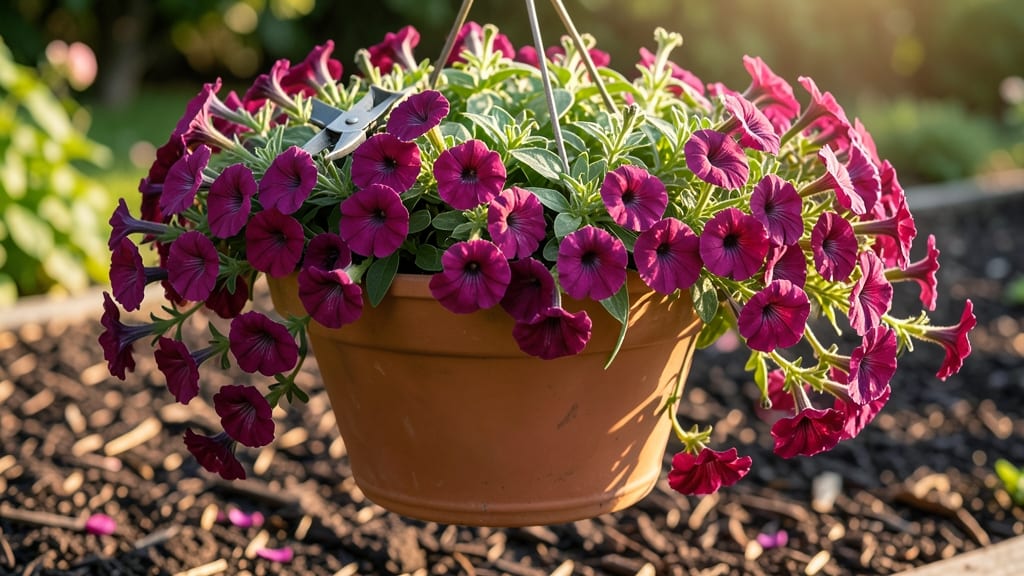
Wave Rose Petunias transform any space into a fragrant, blooming paradise with their rose-scented, trailing vines. 🌸 I’ve grown them for years, and the secret to their nonstop blooms isn’t just water and sun—it’s the little tricks that keep them flowering all season.
These petunias aren’t just pretty; they’re the kind of plants that make neighbors stop and ask, "What are those?" and then want a cutting for themselves.
The trick starts with the right conditions: well-draining soil, full sun (at least 6 hours a day), and spacing them 12-18 inches apart so their vines can cascade beautifully.
They thrive in hanging baskets, containers, or along garden edges, and their rose-like blooms in shades of pink, purple, and white will keep you reaching for the pruners every week. The key to that nonstop bloom? Deadheading spent flowers—it’s the secret that turns a pretty plant into a blooming machine.
By mid-summer, you’ll have a lush, fragrant curtain of flowers that hummingbirds and bees can’t resist. The vines grow 2-3 feet long, so they’re perfect for filling gaps, spilling over walls, or creating a living border.
And the best part? They’re drought-tolerant once established, so once you get the hang of them, they’re almost impossible to kill. Just don’t let them dry out completely in their first few weeks.
Whether you’re planting in containers, window boxes, or garden beds, these petunias adapt easily. Pair them with sweet alyssum for a two-tone cascade or mix in some calibrachoa for extra color.
The only real mistake you can make is not planting them soon enough—so grab some starts and get growing!
📚 In This Guide
- What you need
- Instructions
- Tips and common mistakes
- Wrapping up and next steps
What you need
- ● Wave Rose Petunia Seeds or Plants: Choose Petunia × atkinsiana ‘Wave Rose’ seeds (for starting from scratch) OR nursery-grown plants (for instant blooms).
- ● Quantity: 3–5 plants per container (for full coverage) or 1 plant per 12–18 inches of garden bed.
- ● Well-Draining Potting Mix: Use a lightweight, airy mix (e.g., 60% peat moss/coco coir + 30% perlite + 10% compost). Avoid heavy garden soil.
- ● For 10-inch containers: ~1–2 gallons per plant.
- ○ Containers (Optional but Recommended): Hanging baskets: 12–16 inches in diameter (with drainage holes!).
- ● Window boxes or pots: 10–14 inches deep (petunias love to trail!).
- ● Gloves & Hand Trowel (for delicate handling of seedlings).
- ● Pruners or Sharp Scissors (for deadheading—critical for nonstop blooms!).
- ● Watering Can or Hose with Gentle Nozzle (avoid overhead watering to prevent mildew).
- ● Slow-Release Fertilizer (e.g., 14-14-14 NPK or fish emulsion for organic gardens).
- ○ Mulch (Optional): Use straw or shredded bark to retain moisture and suppress weeds.
- ● 💡 Sunlight Check: Ensure your spot gets 6+ hours of full sun daily—wave petunias thrive in heat!
- ● 🌡️ Temperature: Ideal range: 60–80°F. Avoid planting until after frost (Zone 10+ year-round).
- ● 🎯 Deadheading Hack: Snip spent blooms above the next set of leaves to encourage bushier growth.
Step-by-step instructions for growing Wave Rose petunias
Here's how to coax those cascading, fragrant blooms into your garden with minimal fuss.
🌱 Step 1: Choose the Perfect Planting Time and Spot
Wave Rose Petunias thrive when planted after your last frost date, when soil temperatures reach at least 60°F. I always wait until nighttime temperatures stay above 55°F—cold snaps will shock tender roots and delay blooming. Pick a location with full sun exposure (6-8 hours daily)—even afternoon shade can reduce flower production.
These vines love to spill over edges, so plant them in containers, hanging baskets, or along raised beds where they can cascade. If growing in the ground, space plants 12-18 inches apart to allow for their sprawling habit. I like to tuck them near patios or walkways so the fragrance drifts by as you pass.
💧 Step 2: Prepare Soil and Plant with Care
Amend your garden soil with 2-3 inches of compost before planting to ensure good drainage—Wave Petunias hate soggy roots. Mix in a handful of slow-release fertilizer at planting time to give them a nutrient boost. Dig a hole twice as wide as the root ball but only as deep as the container it came in.
Gently remove the plant from its nursery pot and tease the roots apart if they're circling. Place it in the hole, backfill with soil, and water deeply to settle everything. The key here is to plant at the same depth as it was in the nursery—burying the stem too deep encourages rot, while planting too shallow leaves roots exposed.
☀️ Step 3: Water Consistently and Fertilize Regularly
Keep the soil evenly moist but never waterlogged—Wave Petunias need 1 inch of water weekly, more in extreme heat. I water in the morning so foliage dries before evening, which prevents fungal diseases. Let the top 1-2 inches of soil dry out slightly between waterings—you'll know it's time when the soil pulls away from the pot edges or feels dry to touch.
Feed every 2-3 weeks during the growing season with a balanced liquid fertilizer (10-10-10). You'll see the difference in just a week—vibrant green leaves and an explosion of blooms. Stop fertilizing once temperatures drop below 50°F to encourage natural dormancy.
✂️ Step 4: Deadhead and Prune for Nonstop Blooms
Here's the secret to those endless flowers: deadhead spent blooms weekly. Pinch off faded flowers at the base with your fingers or snip with clean scissors. This redirects the plant's energy from seed production to creating new blooms. I like to do this in the morning when flowers are still crisp—it's easier to spot spent ones before afternoon heat wilts them.
If your petunias get leggy, trim back the longest stems by one-third in early summer. This encourages bushier growth and more flowers. Always use clean, sharp shears and make cuts just above a leaf node. You'll notice new growth within 7-10 days, and those trims will reward you with even more cascading blooms.
⏰ Step 5: Prepare for Fall and Overwinter (If Possible)
As temperatures drop below 50°F, cut back the plants by half to tidy them up. In mild climates (zones 9-11), Wave Petunias can survive winter with minimal care. Mulch heavily with 2-3 inches of straw or leaves to protect roots from freezing. In colder zones, treat them as annuals—they'll self-seed if you leave some spent blooms on the plant.
I always save a few seeds from my best-performing plants. Let some flowers go to seed, collect them in a paper bag, and dry them indoors. Next spring, you'll have free, fragrant plants that thrive exactly like their parents. The secret to Wave Petunias is simple: give them sun, water, and regular deadheading, and they'll reward you with blooms all season long.
Tips & tricks for perfect Wave Rose Petunia growth
These simple strategies will help you coax the most vibrant, fragrant blooms from your Wave Rose Petunias all season long.
Sunlight Strategy: While 6-8 hours of sun is ideal, these petunias can actually tolerate up to 10 hours of sunlight in cooler climates. In hotter regions, provide afternoon shade to prevent wilting—especially when temperatures climb above 90°F. I've seen them thrive with morning sun and afternoon shade, producing just as many blooms without stressing the plants.
Soil Preparation Secret: The 2-3 inches of compost recommendation is non-negotiable for drainage, but here's the trick: mix in a handful of perlite or coarse sand if your native soil is particularly dense. This creates tiny air pockets that prevent soggy roots while still holding moisture. I always do a quick finger test—if the soil feels compacted when squeezed, it needs amending.
Watering Wisdom: That 1 inch of water weekly guideline works for average conditions, but adjust based on your soil type. Sandy soils may need watering every 5-6 days, while clay soils might only need watering every 10 days. I check by sticking my finger 1-2 inches into the soil—if it's dry at that depth, it's time to water. Morning watering is key to preventing fungal issues, but if you must water in the evening, do it before sunset so foliage has time to dry.
Deadheading Timing: The weekly deadheading schedule works wonders, but here's what I've learned: don't wait until flowers are completely brown and crispy. Remove them when they start to fade—usually when the petals begin curling at the edges. This keeps the plant focused on producing new blooms rather than trying to set seed from fully mature flowers. I find doing this every 3-4 days actually gives me even better results than weekly deadheading.
Pro Tips for Wave Rose Petunia
- These simple strategies will help you coax the most vibrant, fragrant blooms from your Wave Rose Petunias all season long.
- Sunlight Strategy: While 6-8 hours of sun is ideal, these petunias can actually tolerate up to 10 hours of sunlight in cooler climates.
- Soil Preparation Secret: The 2-3 inches of compost recommendation is non-negotiable for drainage, but here's the trick: mix in a handful of perlite or coarse sand if your native soil is particularly dense.
Frequently asked questions
When is the best time to plant Wave Rose Petunia?
Plant Wave Rose Petunia after the last frost in spring (when soil temps hit 50°F+). For warmer climates, fall planting works too—just avoid extreme heat or cold. If starting from seeds, begin indoors 8–10 weeks before the last frost for earlier blooms!
How often should I water Wave Rose Petunia?
Keep soil consistently moist but not soggy—water deeply 1–2 times weekly, more often in heatwaves. Mulch around plants to retain moisture. Wave varieties are drought-tolerant once established, but wilting signals thirst.
Why aren’t my Wave Rose Petunias blooming as much as expected?
Lack of blooms often means overcrowding, poor sunlight (they need 6+ hours/day), or skipped deadheading. Prune leggy stems, fertilize lightly with bloom booster, and ensure good airflow. Wave types bloom nonstop—just stay on top of spent flowers!
Are Wave Rose Petunias deer- or pest-resistant?
While deer usually avoid them, aphids and spider mites may visit. Spray with neem oil or insecticidal soap for mild infestations. Strong airflow (prune for spacing) deters pests naturally.
Can I grow Wave Rose Petunia in containers?
Choose 12"+ pots with drainage holes, use well-draining potting mix, and fertilize regularly. Trailing varieties spill beautifully over edges. Just ensure containers get enough sunlight and water—containers dry out faster!
Wrapping up and next steps
Growing wave rose petunias is a rewarding journey that brings vibrant color and intoxicating fragrance to your garden—with just a little care! 🌸 Their low-maintenance nature and continuous blooms make them a dream for both novice and seasoned gardeners.
The secret lies in sunlight, well-draining soil, and regular deadheading to keep those flowers coming.
Ready to transform your space? Start by planting your wave rose petunias this weekend—then sit back and enjoy the show! For extra inspiration, explore companion plants like lavender or marigolds to create a fragrant, pollinator-friendly oasis. Happy gardening! 🌿