
Blooming
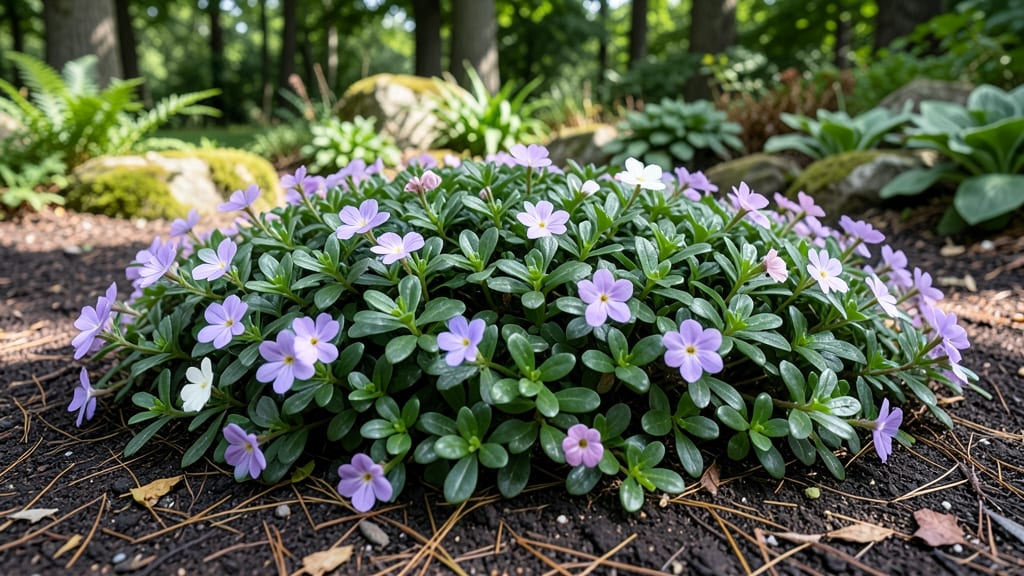
Vinca minor blooms in spring through early summer 🌸, but the timing and duration depend on your climate and care routine.
If you’re wondering when your Vinca minor will burst into vibrant blooms—or why it seems to vanish for months—you’re not alone. This hardy ground cover’s flowering patterns depend heavily on climate, sunlight, and care, making timing everything for a lush, year-round display.
In USDA Zone 6a and warmer, expect the first flowers to appear in late April or May, with a peak in June. Cooler regions may see a delayed start, but with the right conditions, you can coax a second, lighter flush of blooms in fall.
Below, I’ll break down the key triggers—like sunlight, soil, and pruning—that control when and how long Vinca minor flowers, plus practical tips to extend its bloom season.
When does Vinca minor typically bloom and what triggers it?
Vinca minor, or common periwinkle, typically blooms in late spring to early summer, with flowers appearing between April and June in most U.S. regions. However, its exact bloom time varies based on your USDA hardiness zone and local climate conditions. In cooler zones like 4-6, blooms often start later, around May, while warmer zones 7-9 may see flowers as early as March. Understanding these patterns helps you anticipate and encourage vibrant displays.
The plant’s flowering cycle is closely tied to temperature shifts and daylight exposure. After winter dormancy, rising temperatures and increasing daylight hours trigger bud formation. In my garden, I’ve noticed that early bloomers often appear in partial shade areas, while late bloomers tend to emerge in sunnier spots.
This variation is why timing your care—like pruning or fertilizing—can make all the difference in maximizing blooms.
| Factor | USDA Zones 4-5 | USDA Zones 6-7 | USDA Zones 8-9 |
|---|---|---|---|
| Primary Bloom Time | Late May - June | April - May | March - April |
| Sunlight Trigger | 6+ hours indirect | 4-6 hours mixed | 3-4 hours dappled |
| Soil Temp for Buds | 55°F+ | 50°F+ | 45°F+ |
| Rebloom Potential | Minimal (fall) | Moderate (late summer) | High (spring/fall) |
| Pruning Window | Early June | Late May | April |
One of the biggest triggers for Vinca minor blooming is sunlight exposure. While it thrives in partial shade, too little light delays flowering, while harsh afternoon sun can scorch leaves and reduce blooms.
In my Zone 6 garden, I’ve found that positioning plants near east-facing structures or under deciduous trees creates the perfect balance. Too much shade? Blooms may be sparse or nonexistent. Too much sun? The plant may struggle to produce flowers at all.
Soil conditions also play a critical role in bloom timing. Well-draining, slightly acidic soil (pH 6.0-7.0) encourages robust root growth, which in turn supports more flowers. I always test my soil before planting and amend it with compost or peat moss if needed. Poor drainage or compacted soil can lead to root stress, causing the plant to focus on survival rather than flowering. A simple permeability test—digging a small hole and filling it with water—can reveal if your soil is ready for vinca.
Pruning timing directly impacts bloom cycles. I’ve learned the hard way that pruning too late in the season can cut off potential flower buds. The best time to prune is right after the first bloom cycle, typically in early to mid-summer.
This encourages a second, smaller flush of flowers in late summer or fall, especially in warmer climates. In cooler zones, avoid pruning after July to allow the plant to harden off for winter. Always use clean, sharp shears to avoid damaging stems.
Fertilizer type and timing also influence bloom windows. A balanced, slow-release fertilizer (like 10-10-10) applied in early spring provides the nutrients needed for bud formation. I avoid high-nitrogen fertilizers, which promote leafy growth at the expense of flowers.
Instead, I opt for a phosphorus-rich formula in late spring to encourage blooming. Over-fertilizing can lead to excessive foliage with fewer flowers, so moderation is key.
Watering habits affect bloom cycles too. Consistent moisture is crucial during the budding and flowering stages, but vinca is surprisingly drought-tolerant once established. I water deeply once a week during dry spells, focusing on the root zone rather than wetting the leaves.
Overwatering can lead to root rot, which stresses the plant and reduces flowering. In containers, I ensure pots have drainage holes and use well-draining potting mix to prevent waterlogging.
Climate variations across the U.S. create distinct bloom windows. In Zone 4, where winters are harsh, vinca may not bloom until June, while Zone 9 gardens often see flowers as early as February.
Microclimates—like urban heat islands or coastal areas—can also shift bloom times. For example, my friend in San Diego (Zone 10) reports year-round blooms, while her
How long do Vinca minor flowers last and how to extend the bloom season?
Your Vinca minor typically produces its most vibrant blooms in spring, with flowers lasting 4-6 weeks under ideal conditions. However, with the right care, you can coax reblooming throughout the growing season—even into early fall.
The key lies in understanding its natural cycle and how to nudge it into producing more flowers.
Most Vinca minor varieties are seasonal bloomers, meaning they focus their energy on one main flowering period. But some reblooming cultivars (like 'Illumination' or 'Silver Dust') can produce intermittent flowers if given proper care.
The difference comes down to light exposure, pruning timing, and nutrient balance—all of which I’ll break down for you.
5 Proven Ways to Extend Vinca Minor Blooms
- 🌸 Deadhead regularly – Remove spent blooms weekly to redirect energy to new flowers.
- ☀️ Maximize morning sun – Ensure 4-6 hours of sunlight daily to boost flower production.
- 💧 Water deeply but less often – 1 inch per week encourages stronger root growth for more blooms.
- 🌱 Fertilize lightly in spring – Use a balanced 10-10-10 fertilizer once in early spring only.
- ✂️ Prune after flowering – Trim back 1/3 of growth in late summer to stimulate new blooms.
One common misconception is that Vinca minor blooms continuously like impatiens. While it’s not a nonstop bloomer, reblooming varieties can produce secondary flushes if you deadhead aggressively and avoid over-fertilizing.
Too much nitrogen (like lawn fertilizer) will give you leafy growth instead of flowers—so always choose a low-nitrogen, balanced fertilizer.
For gardeners in warmer climates (USDA zones 8-9), Vinca minor may bloom year-round with minimal care, while cooler zones (4-6) see a shorter spring bloom followed by dormancy.
To extend blooms in colder areas, mulch heavily in fall to protect roots and prune lightly in early spring to encourage new growth before the first frost.
If your Vinca minor is skipping blooms entirely, check for these red flags: overcrowding, poor drainage, or too much shade. A simple fix is to divide mature plants every 3-4 years—this rejuvenates growth and often triggers more flowers.
For container-grown Vinca, repot every 2 years to prevent root-bound stress, which stifles flowering.
With these strategies, you can turn your Vinca minor from a one-season wonder into a long-blooming star that keeps your garden vibrant from spring through fall. Start with deadheading and light pruning—the simplest tweaks often yield the biggest rewards! 🌿