
Shrubs
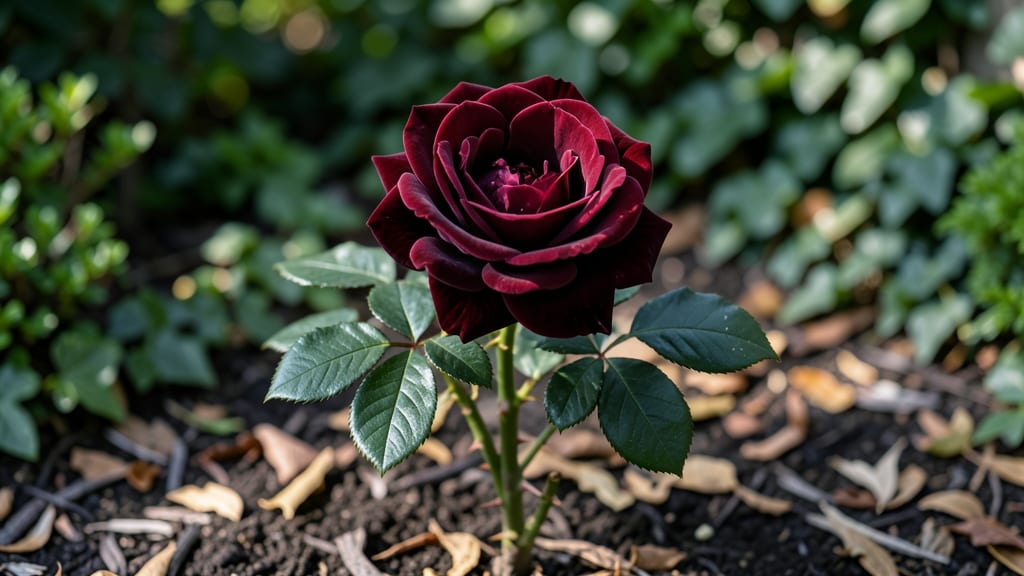
Your garden’s centerpiece just got richer—velvet red roses burst with deep crimson petals that smell like summer in a bottle, and they keep blooming all season if you know the secret. 🌹 I’ve grown these for years, and the difference between a bush that fades after one flush and one that thrives comes down to two simple habits: deadheading and pruning at the right time.
The soil needs to be well-draining but rich, with a splash of compost mixed in at planting. These roses love full sun (6+ hours daily) but appreciate afternoon shade in scorching climates. Water deeply once a week—not too much, not too little—and mulch to keep roots cool.
That’s it. No mystery. By mid-summer, your bush will be covered in blooms, each one fragrant enough to perfume the whole yard. The key is consistent care: trim spent flowers, shape the plant in early spring, and feed lightly every 4-6 weeks. Pests?
Aphids might visit, but a strong spray of water usually sends them packing. Works in USDA zones 5-9, from city patios to country gardens. Here’s how to make yours thrive.
📚 In This Guide
- What you need
- Instructions
- Tips and common mistakes
- Wrapping up and next steps
What you need
- ● Velvet Red Rose Plant: 1 healthy, disease-free Rosa 'Velvet Red' (bare-root or potted)
- ● Note: Choose a grafted plant for consistency (ungrafted may revert to wild rose traits).
- ● Soil: 6–8 cubic feet of well-draining, nutrient-rich soil (pH 6.0–6.5)
- ○ Optional boost: Mix in 2–3 cups of compost or aged manure per cubic foot.
- ● Fertilizer: 1 lb balanced rose fertilizer (10-10-10 or 8-3-9 ratio)
- ○ Optional: Slow-release granules or organic options (fish emulsion, bone meal).
- ● Mulch: 3–4 inches of organic mulch (wood chips, straw, or shredded bark)
- ● Garden tools: 1 pair of bypass pruners (sterilized with rubbing alcohol)
- ● 1 hand trowel or spade
- ● 1 watering can (2–3 gallons) or hose with gentle nozzle
- ● Location: Full sun (6+ hours of direct sunlight daily)
- ● Sheltered spot (protection from strong winds)
- ○ Optional (but helpful!): Rose food spray (for foliar feeding)
- ● Copper fungicide (preventative for black spot)
- ● Support stake or trellis (if planting climbing varieties)
Step-by-step guide to growing Velvet Red roses with nonstop blooms
Here's how to cultivate these luxurious roses—where deadheading becomes the secret to endless fragrant beauty.
🌱 Step 1: Select and Prepare the Perfect Planting Site
Choose a location with full sun exposure (6-8 hours daily) and well-draining soil. Velvet Red Roses thrive in soil with a pH between 6.0 and 6.5—test your soil first, and amend with sulfur if needed. I dig a hole twice as wide as the root ball but only as deep, then loosen the surrounding soil with a shovel to encourage root spread.
Before planting, soak the roots of your rose in lukewarm water for 10-15 minutes to rehydrate them. This step prevents transplant shock and helps the roots establish faster. Remove any damaged or circling roots with clean pruners—healthy roots should be white or light tan, not brown or mushy.
✂️ Step 2: Plant and Prune for Strong Growth
Position the rose so the graft union (the swollen area near the base) sits 2-3 inches below soil level. This protects the graft from exposure and potential damage. Backfill the hole with native soil mixed with 2 inches of compost, tamping gently to eliminate air pockets. Water deeply until the soil settles and the roots are fully covered.
After planting, prune the rose by cutting back the stems to 18-24 inches tall, leaving 3-5 strong canes. Remove any weak, crossing, or diseased branches—this encourages a bushier shape and stronger blooms. I always sterilize my pruners with rubbing alcohol between cuts to prevent bacterial spread.
💧 Step 3: Water and Feed for Continuous Blooming
Water your Velvet Red Rose deeply once a week during the first growing season, ensuring the soil is moist to a depth of 6 inches. Overwatering can lead to root rot, so always check the soil before watering—it should feel slightly damp but not soggy. Mulch around the base with 2-3 inches of organic mulch to retain moisture and regulate soil temperature.
Feed your rose with a balanced fertilizer (10-10-10) every 4-6 weeks during the growing season. For even more vibrant blooms, switch to a higher-phosphorus fertilizer (5-10-5) when buds form
Deadheading is the key to keeping your Velvet Red Roses blooming all season. As soon as a flower fades, cut the stem back to the first set of five-leaflet leaves (or the first outward-facing bud). This redirects the plant's energy from seed production to new flower growth. Use clean, sharp pruners to make a clean cut at a 45-degree angle just above the leaf. Watch for new buds forming along the canes—these will develop into your next round of stunning blooms. If you notice any black spots or yellowing leaves, act quickly by removing the affected foliage and treating with a fungicide. Regular deadheading not only encourages more flowers but also keeps your rose looking tidy and healthy. As temperatures drop below 32°F, protect your Velvet Red Rose by mounding 12-18 inches of mulch around the base of the plant. This insulates the roots and prevents freeze damage. In colder climates, wrap the canes loosely with burlap or a rose-specific blanket, securing it with twine but leaving room for air circulation. Reduce watering in late fall, allowing the soil to dry out slightly between waterings. Prune back any dead or diseased wood in late winter, just before new growth begins. This step ensures a strong start to the next growing season. I also fertilize lightly in early spring with a low-nitrogen fertilizer (5-10-5) to stimulate new growth without overwhelming the plant.🌿 Step 4: Master the Art of Deadheading for Nonstop Blooms
☀️ Step 5: Winter Care for Next Season's Success
Tips & tricks for Velvet Red rose cultivation
These pro insights will help you transform your garden into a fragrant paradise with nonstop blooms.
Sunlight Strategy: While 6-8 hours of sunlight is ideal, Velvet Red Roses can tolerate partial shade—just expect fewer blooms. If your garden gets less than 4 hours of direct sun, consider planting them in a south-facing location or using reflective surfaces like light-colored walls to maximize exposure. Morning sun with afternoon shade works best in hot climates to prevent stress.
Root Health Check: That 10-15 minute lukewarm water soak before planting isn't just about hydration—it's a critical health assessment. Use this time to thoroughly inspect each root. Healthy roots should be firm with a slight springiness, not limp or brittle. If you find any brown or mushy roots, trim them immediately with sterilized pruners. This simple step can prevent years of poor growth.
Pruning Precision: When cutting back stems to 18-24 inches after planting, focus on creating an open center. This airflow prevents fungal diseases that plague roses. Make your cuts just above an outward-facing bud at a 45-degree angle—this encourages new growth in the right direction. I mark my pruning spots with a white pencil first to visualize the final shape before making any cuts.
Fertilizer Timing: The switch from balanced (10-10-10) to higher-phosphorus (5-10-5) fertilizer when buds form is crucial for vibrant blooms. But here's the secret: split your phosphorus fertilizer into two applications—half when buds appear and half when they're fully formed. This two-step approach creates more robust stems that support heavier blooms without snapping.
Pro Tips for Velvet Red Rose
- These pro insights will help you transform your garden into a fragrant paradise with nonstop blooms.
- Sunlight Strategy: While 6-8 hours of sunlight is ideal, Velvet Red Roses can tolerate partial shade—just expect fewer blooms.
- Root Health Check: That 10-15 minute lukewarm water soak before planting isn't just about hydration—it's a critical health assessment.
Frequently asked questions
Got questions about keeping your velvet red rose blooming beautifully? Here are some of the most common ones—and their answers!
How often should I deadhead my velvet red rose for continuous blooms?
Deadhead your roses immediately after the petals fade to encourage new buds. Aim for 2-3 times per week during peak bloom season (spring to fall). Use clean pruners to trim just above a leaf node or outward-facing bud. Pro tip: Morning deadheading prevents pests from hiding in spent blooms!
Why aren’t my velvet red roses blooming as much as they should?
Lack of blooms often stems from over-fertilizing with high-nitrogen food (which promotes foliage, not flowers) or poor pruning habits. Ensure you’re using a balanced rose fertilizer (like 10-10-10) and prune in early spring to remove dead wood. Troubleshoot: Check for pests (aphids, spider mites) or fungal diseases (black spot) that stress plants.
When is the best time to plant a velvet red rose bush?
Plant your velvet red rose in early spring (after the last frost) or early fall (4-6 weeks before frost). Avoid summer planting—heat stress can stunt growth. Choose a site with full sun (6+ hours/day) and well-draining soil. Bonus: Mulch with compost to retain moisture and regulate soil temp!
Can I grow velvet red roses in containers? What’s the best pot size?
Yes! Velvet red roses thrive in containers if given enough space. Opt for a minimum 18-inch diameter pot (bigger = more stable blooms). Use a lightweight, well-draining potting mix and repot every 2-3 years. Tip: Add slow-release fertilizer granules at planting time for a nutrient boost.
What should I do if my velvet red rose leaves turn yellow?
Yellow leaves usually signal overwatering, nutrient deficiency, or fungal issues. First, check soil moisture—roses hate soggy roots! If yellowing starts at the bottom leaves, it’s likely age-related (prune them off). For upper leaves, test soil pH (ideal: 6.0–6.5) and fertilize with iron or magnesium if needed. Prevent: Space plants for airflow to deter mildew.
Wrapping up and next steps
The velvet red rose isn’t just a stunner—it’s a symbol of enduring beauty and effortless charm. With the right care, especially mastering the art of deadheading, you’ll enjoy its nonstop blooms and intoxicating fragrance for seasons to come. 🌹✨
Ready to transform your garden into a romantic paradise? Grab your pruners, roll up your sleeves, and give these velvet red roses the love they deserve. Start deadheading today—your future blooms will thank you!