
Pruning
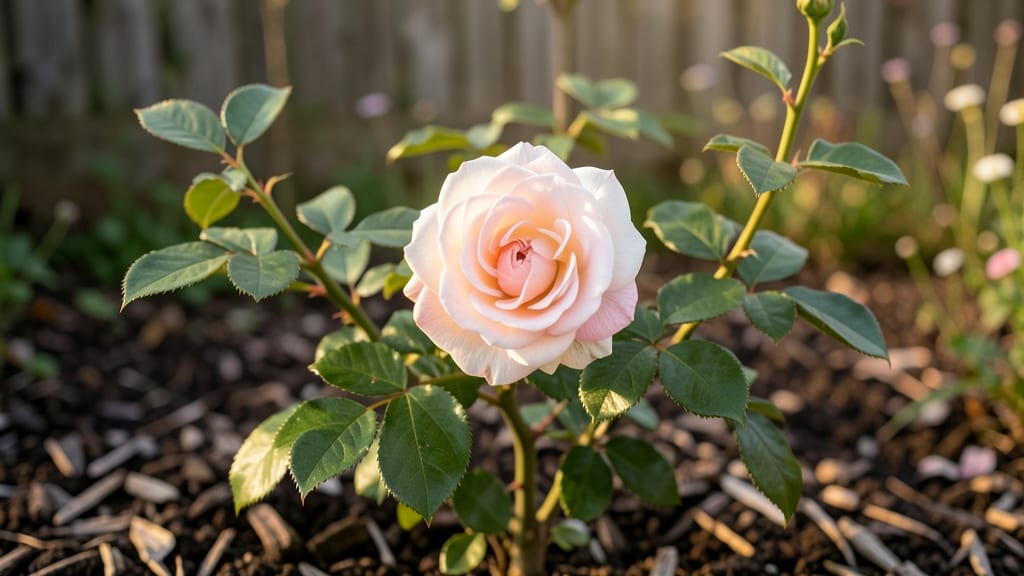
Two-toned roses like 'Chanticleer' and 'Quicksilver' transform gardens with their dramatic color shifts—no fancy tricks, just nature’s own two-tone magic. 🌸 I’ve seen these roses turn a boring border into a showstopper with their deep pink edges fading to creamy centers, or bold red petals bleeding into white.
The secret? Their pruning layers—thicker growth at the base creates the perfect gradient effect, and the colors intensify with proper care.
These roses aren’t just pretty; they’re design workhorses. Pair them with silver foliage like lamb’s ear or dusty miller to make the colors pop even more. In romantic cottage gardens, they soften the look, while modern landscapes use their bold contrast as a focal point.
The best part? They bloom twice a year—once in spring and again in fall—so you get double the drama.
Imagine a hedge where every bloom feels like a living watercolor, or a mixed border where these roses anchor the space with their striking contrast. They thrive in full sun and well-drained soil, making them easier to grow than you’d think.
The payoff? A garden that looks like it belongs in a high-end magazine, not just your backyard.
For extra impact, plant them near a seating area or pathway where you’ll notice the color shifts up close. And if you love the look but want variety, try mixing in other two-toned varieties like 'Double Delight' or 'Silver Moon.' The possibilities are endless—and your garden will thank you.
📚 In This Guide
- What you need
- Instructions
- Tips and common mistakes
- Wrapping up and next steps
What you need
- ● Roses: Disease-resistant hybrid teas, floribundas, or grandifloras (choose varieties with vibrant, contrasting colors—think deep reds, purples, or blacks with creamy whites or soft yellows).
- ● Pruning shears: Sharp, bypass-style shears (sterilized with rubbing alcohol or bleach solution).
- ● Hand pruners: For precision cuts on smaller stems (ensure they’re clean and sharp).
- ● Gloves: Heavy-duty gardening gloves to protect from thorns and sap.
- ● Disinfectant: 1 part bleach to 9 parts water (for sterilizing tools between cuts).
- ● Ruler or measuring tape: For consistent pruning angles and layers.
- ● Permanent marker: Waterproof, for marking stems before pruning.
- ● Loppers: For thicker stems (if your roses are mature).
- ● Pruning saw: For stubborn, woody growth.
- ● Plant tie or twine: To secure stems during the drying process (if needed).
- ● Spray bottle with water: To keep cuts fresh and reduce sap bleeding.
- ● Notebook or app: To track pruning dates and color progress.
- ● Healthy, established roses (at least 2–3 years old, with strong canes).
- ● Late winter or early spring timing (before new growth begins).
- ● Sunny, dry weather for pruning and drying (avoid rain for 24–48 hours post-prune).
- ● Patience! Two-toned roses take 4–6 weeks to reveal their full contrast.
Instructions for creating two-toned roses through pruning layers
Here's how to transform ordinary roses into stunning two-toned varieties using simple pruning techniques.
🌿 Step 1: Select Healthy, Mature Roses for Pruning
Choose 4-5 year old roses with strong, established canes—younger plants won't have enough layers for dramatic color contrast. Look for canes with multiple buds spaced evenly along the stem. Avoid roses treated with systemic pesticides recently, as chemical residues can stress new growth.
I prune in early spring when buds begin to swell but before new shoots emerge. This timing ensures you're working with dormant but viable growth layers. If your climate has mild winters, wait until the last frost date to avoid damaging tender new shoots.
✂️ Step 2: Create Clean, Angled Cuts at Bud Union Points
Use sharp, sterilized pruning shears to make cuts just above an outward-facing bud, at a 45-degree angle. The angle prevents water from pooling on the cut, which can cause rot. For two-toned roses, you'll want to expose at least two distinct growth layers—typically the current season's growth and the previous year's wood.
Make your first cut about 3-4 inches below the bud you want to encourage. This exposes the older wood underneath. The contrast between the new green growth and the older brown/reddish canes creates the two-toned effect. I like to leave 2-3 buds on each cane to ensure strong regrowth.
☀️ Step 3: Position for Maximum Sun Exposure
After pruning, move your roses to a location with full sun (6+ hours daily)—this is critical for vibrant color development. The contrast between the older, sun-stressed wood and the new, lush green growth will be most dramatic when both receive optimal light. If your roses were previously in shade, transition them gradually over 7-10 days to avoid sunburn on the newly exposed canes.
Water deeply at the base every 3-4 days until new shoots reach 4-6 inches tall. You'll notice the older canes develop a rich reddish-brown hue from sun exposure, while the new growth stays bright green. This color contrast intensifies as the season progresses.
🌱 Step 4: Monitor and Encourage New Growth Layers
Watch for new shoots emerging from the buds you left behind. These will be your primary green layer. The older canes should remain woody but develop a distinct reddish or purplish tint from sun exposure. If you see weak, spindly growth, your light exposure might be insufficient—move the plant closer to a sunny window or supplement with a grow light.
Once new shoots reach 6-8 inches, you can lightly prune again to encourage bushier growth. Pinch back the tips of the newest shoots to promote branching. This creates more green growth layers that will contrast against the older wood. The more layers you develop, the more dramatic the two-toned effect will be.
⏰ Step 5: Maintain Through the Growing Season
Continue watering at the base every 5-7 days, allowing the top 2 inches of soil to dry between waterings. Overhead watering can weaken the color contrast by keeping the older canes too moist. Fertilize lightly with a balanced rose fertilizer every 4-6 weeks to support both new and old growth.
By mid-summer, your roses should display clear two-toned canes with vibrant green new growth against the sun-kissed older wood. The contrast will be most striking in morning sunlight when the older canes catch the light at an angle. If you notice any canes turning black or mushy, prune them back immediately to prevent disease spread.
Tips & tricks for perfect two-toned roses
These simple techniques will help you achieve stunning color contrast in your roses with minimal effort.
Plant Selection: Focus on roses that are at least 4-5 years old—younger plants simply don't have enough growth layers to create that dramatic two-tone effect. Look for canes with multiple buds spaced evenly along the stems, as these indicate healthy, established growth that will respond well to pruning. I've found that varieties like 'Knock Out' roses work particularly well for this technique because their canes naturally develop rich reddish hues when exposed to sunlight.
Timing is Everything: Prune in early spring when buds begin to swell but before new shoots emerge—this window is crucial for capturing the dormant but viable growth layers. In my experience, pruning too early can damage tender buds, while waiting too long risks missing the ideal contrast between old and new growth. If you're in a mild climate, wait until after the last frost date to avoid stressing new shoots.
Pruning Technique: When making your angled cuts in Step 2, aim for a 45-degree angle just above an outward-facing bud. This angle isn't just about aesthetics—it prevents water from pooling on the cut, which can lead to rot. For the best two-tone effect, expose at least two distinct growth layers: the current season's green growth and the previous year's wood. I like to leave 2-3 buds on each cane to ensure strong regrowth that will create that vibrant green contrast against the older wood.
Sunlight Strategy: After pruning, move your roses to a location with full sun (6+ hours daily)—this is where the magic happens. The contrast between the older, sun-stressed wood and the new green growth becomes most dramatic when both receive optimal light. If your roses were previously in shade, transition them gradually over 7-10 days to avoid sunburn. The older canes will develop a rich reddish-brown hue from sun exposure, while the new growth stays bright green, creating that stunning two-tone effect.
Pro Tips for Two Toned Roses
- These simple techniques will help you achieve stunning color contrast in your roses with minimal effort.
- Plant Selection: Focus on roses that are at least 4-5 years old—younger plants simply don't have enough growth layers to create that dramatic two-tone effect.
- Timing is Everything: Prune in early spring when buds begin to swell but before new shoots emerge—this window is crucial for capturing the dormant but viable growth layers.
Frequently asked questions
Got questions about creating stunning two-toned roses? You’re in the right place! Here are answers to the most common queries—from timing tricks to troubleshooting tips—so you can master this bold technique with confidence.
When is the best time to prune for two-toned roses?
The ideal time is late winter or early spring (just before new growth starts). This ensures clean cuts and avoids stressing the plant during dormancy. For repeated blooms, prune again after the first flush of flowers in mid-summer. Avoid pruning in fall—it can leave roses vulnerable to cold or disease.
How do I know which layers to remove for the two-tone effect?
Start by removing the outer layer of petals (about 1/3 of the bloom) to expose the deeper color. For a dramatic look, leave the center petals intact—they’ll often reveal a contrasting hue. Pro tip: Use sharp pruners to avoid tearing petals, which can dull the effect.
Will two-toned roses bloom differently than regular roses?
Not necessarily! The technique doesn’t affect bloom size or frequency, but it may shorten the lifespan of individual flowers by 1–2 days since you’re removing petals. Choose healthy, fully open blooms for the best results. Varieties like ‘Black Baccara’ or ‘Double Delight’ often show striking two-tone contrasts naturally.
Can I use this method on all rose types?
This works best on hybrid teas, floribundas, and grandifloras—roses with multiple layers of petals. Avoid spray roses or climbers, as their delicate petals may not hold up well. For disease-prone roses, sterilize your pruners with rubbing alcohol between cuts to prevent infections.
What if my two-toned rose doesn’t show contrast?
If the colors don’t pop, try these fixes:
- Wait for full bloom: Petals develop deeper hues as they open.
- Choose darker varieties: Reds, purples, and deep pinks contrast best with lighter centers.
- Prune in bright light: Shadows can make colors appear muted.
If the rose still looks uniform, it might be a single-petal variety—not ideal for this technique.
Wrapping up and next steps
Two-toned roses aren’t just a stunning visual treat—they’re a testament to your pruning prowess and creative flair! 🌸 By mastering the art of layered pruning, you can transform ordinary roses into bold, bi-colored masterpieces that turn heads in any garden.
Whether you’re a seasoned gardener or just starting out, this technique is your ticket to show-stopping blooms with minimal effort.
Ready to take the plunge? Grab your pruners and start experimenting—your roses (and your neighbors!) will thank you. For even more inspiration, browse our gallery of two-toned rose varieties or join a gardening forum to share your progress. Happy pruning! 🌿✂️