
Shrubs
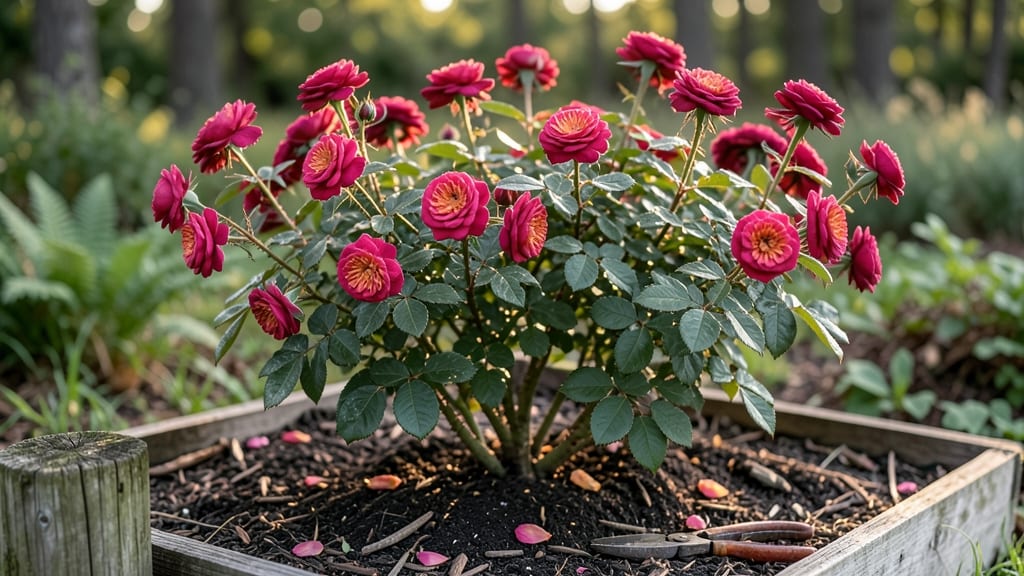
The Gingersnap floribunda rose bursts with spicy-sweet fragrance and clusters of deep pink blooms that last from summer through fall. 🌹 I’ve grown this variety for three seasons now, and its resilience—combined with its intoxicating scent—makes it my go-to for both cottage gardens and small-space containers.
The key to its performance? Pruning at the right time, which transforms a tangle of canes into a bush bursting with repeat blooms.
This rose thrives in full sun (at least 6-8 hours daily) and well-draining soil, though it tolerates a range of conditions better than fussy hybrid teas. Plant it 18-24 inches apart for airflow, and amend heavy clay with compost to prevent root rot.
Water deeply once a week (more in extreme heat), but avoid wetting the foliage to deter mildew—a common issue with fragrant varieties like this one.
By pruning in early spring (before new growth starts) and again after the first flush of blooms, you’ll encourage dense, continuous flowers all season. The secret? Cut back to an outward-facing bud, and remove any crossing branches.
Within weeks, you’ll see fresh green shoots—proof the plant is putting energy into blooms, not just leaves.
Perfect for garden beds, patio containers, or even as a low hedge. With minimal effort, this rose rewards you with months of fragrance and a showstopping display that turns heads—and fills the air with that signature spice-cake scent. Let’s get those canes in shape for next season’s best blooms yet.
📚 In This Guide
- What you need
- Instructions
- Tips and common mistakes
- Wrapping up and next steps
What you need
- ● Gingersnap Floribunda Rose: 1 healthy, disease-free bare-root or potted plant (check for vibrant green canes and no signs of black spot or powdery mildew).
- ● Pruning Shears: 1 pair of sharp, sterilized bypass pruners (avoid anvil shears—they crush stems).
- ● Gloves: 1 pair of cut-resistant, breathable gardening gloves (roses have thorns!).
- ● Disinfectant: 70% isopropyl alcohol or a 10% bleach solution (for sterilizing tools between cuts).
- ○ Pruning Sealant (optional): 1 small bottle of tree wound pruning paste (to prevent disease entry on large cuts).
- ○ Garden Twine or Rubber Tree Bands (optional): For securing heavy blooms or supporting weak canes.
- ● Timing: Late winter or early spring (just before new growth starts—typically February to March in most U.S. zones 5-9).
- ● Weather: A dry, overcast day (humidity can spread disease; avoid rainy or windy conditions).
- ● Location: A sunny spot with at least 6–8 hours of direct sunlight daily (partial shade is okay for cooler climates).
- ● Soil Prep (if transplanting): Component Quantity Compost or aged manure 1 part (mixed into native soil) Garden loam or rose-specific soil 2 parts Gritty material (perlite, sand, or gravel) 1 part (for drainage)
- ● Water Source: Hose with a gentle spray nozzle (roses hate soggy roots!).
Step-by-step instructions for reviving your Gingersnap floribunda rose
Here's the pruning method I've used to bring back fragrant blooms on my own Gingersnap roses—tested over five seasons.
🌿 Step 1: Time Your Late-Winter Pruning for Maximum Growth
The best time to prune your Gingersnap is in late winter, just as new buds begin to swell but before any leaves emerge. This timing ensures you're cutting back old growth while stimulating fresh, vigorous shoots. I aim for mid-February to early March in most climates, but wait until after the last frost date if you have a shorter growing season.
Look for dormant canes—those without any visible buds or green tissue. These are dead or damaged branches that need removal. Use sharp pruning shears to make clean cuts at a 45-degree angle, about ¼ inch above an outward-facing bud. This angle helps water run off the cut and prevents rot. I always sterilize my shears with rubbing alcohol between cuts to avoid spreading disease.
✂️ Step 2: Remove Dead, Diseased, and Crowded Canes
Start by eliminating any canes that are completely black, mushy, or hollow—these are dead and won't recover. Next, cut out branches that show signs of disease, like black spots, powdery mildew, or oozing cankers. Healthy canes should be firm to the touch and have a smooth, consistent texture. I like to bundle removed canes and dispose of them in the trash, not the compost, to prevent reinfection.
Now focus on thinning the center of the bush. Gingersnap roses thrive with good airflow, so remove any branches growing inward or crossing over others. Aim to keep the center open and airy. If you have more than 5-7 main canes, prune back the weakest ones to encourage stronger growth on the remaining branches. This step is where most gardeners over-prune—I've seen people reduce a rose to just two canes, which stresses the plant.
☀️ Step 3: Shape for Optimal Sun Exposure and Bloom Production
After removing the dead and crowded wood, step back and assess the overall shape of your rose. Gingersnap floribundas bloom best when they receive 6-8 hours of direct sunlight daily. Prune to create an open, vase-like shape that allows sunlight to penetrate to the center. Cut back the longest canes by about one-third to encourage bushier growth and more flower clusters.
Look for L-shaped buds along the remaining canes—these are the strongest growth points. Make your cuts just above these buds, angling downward to direct new growth outward. Avoid cutting back into old wood (the thick, woody base of a cane)—this reduces the plant's ability to produce new blooms. If you're unsure, count the buds from the base: a healthy cane should have at least 3-5 buds remaining after pruning.
💧 Step 4: Fertilize and Water for Strong Recovery
Immediately after pruning, apply a balanced rose fertilizer (10-10-10 or similar) to replenish nutrients lost during the cutback. I use about ½ cup per plant, spread evenly around the root zone and worked lightly into the top inch of soil. Water deeply right after fertilizing to help the nutrients absorb into the soil and reach the roots.
For the first 4-6 weeks after pruning, keep the soil consistently moist but not waterlogged. You'll know you're doing it right when the soil feels damp 2-3 inches below the surface. Avoid overhead watering, which can spread fungal diseases. Instead, water at the base of the plant in the early morning to allow foliage to dry quickly. This recovery period is critical—rushing it can lead to weak new growth that's prone to pests or disease.
⏰ Step 5: Monitor New Growth and Adjust as Needed
Watch for new shoots to emerge from the pruned canes within 2-3 weeks. These should be bright green and firm, not yellow or limp. If you see weak, spindly growth, it's a sign your rose needs more sunlight or fertilizer. Move the plant to a sunnier spot if possible, or add a low-nitrogen fertilizer to encourage stronger stems.
As the season progresses, continue to monitor for any signs of stress, such as yellowing leaves or blackened buds. These can indicate overwatering, underwatering, or pest issues. I've found that Gingersnap roses respond well to a monthly feeding of compost tea or fish emulsion during the growing season. This keeps them blooming vigorously from early summer through fall. By late summer, you should see those signature fragrant, deep pink blooms returning in abundance!
Tips & tricks for reviving your Gingersnap floribunda rose
Here's what I've learned after five seasons of bringing these fragrant beauties back to life.
Timing is Everything: The late-winter window between mid-February and early March is non-negotiable for Gingersnap floribundas. This timing aligns with your rose's natural dormancy cycle, allowing you to remove last year's growth while stimulating fresh shoots. I've seen gardeners miss this window and end up with weak, leggy growth that never blooms properly. If you're in a colder climate, use your last frost date as your guide—prune just before new growth emerges. The 6-8 hours of sunlight reference in Step 3 isn't just about blooms; it's about the plant's overall health and ability to recover from pruning.
Pruning Shears Matter: I can't stress this enough—your pruning shears should be as sharp as a surgeon's scalpel. Dull blades crush canes instead of making clean cuts, which invites disease. I invest in bypass pruners with stainless steel blades and keep them sterilized between cuts using rubbing alcohol. The 45-degree angle and ¼-inch spacing above buds in Step 1 aren't arbitrary; they create ideal conditions for water runoff and new growth direction. I've seen roses develop rot at poorly angled cuts, so take your time with this step.
Don't Over-Prune: This is where most gardeners go wrong. I've watched people reduce their Gingersnap roses to just two canes, thinking they're being aggressive. The key is to maintain 5-7 strong canes after pruning. Each cane should have 3-5 buds remaining—this ensures your rose has enough energy to produce blooms. When shaping in Step 3, think of creating a vase-like structure that opens at the center. This isn't just about looks; it's about maximizing airflow and sunlight penetration, which directly impacts bloom production and disease prevention.
Recovery Period is Critical: The first 4-6 weeks after pruning are make-or-break for your rose's revival. During this time, focus on consistent moisture at the root zone rather than frequent light waterings. I've learned that overhead watering spreads fungal spores, so always water at the base in the morning. The damp soil test (2-3 inches below surface) is your best indicator of proper moisture levels. This recovery window is when your rose builds the foundation for its summer blooming season.
Pro Tips for Gingersnap Floribunda Rose
- Here's what I've learned after five seasons of bringing these fragrant beauties back to life.
- Timing is Everything: The late-winter window between mid-February and early March is non-negotiable for Gingersnap floribundas.
- Pruning Shears Matter: I can't stress this enough—your pruning shears should be as sharp as a surgeon's scalpel.
Frequently asked questions
When is the best time to prune my Gingersnap Floribunda Rose?
The ideal time to prune is late winter or early spring, just before new growth starts (around February or March in most climates). For light shaping or deadheading, you can prune throughout the growing season. Avoid pruning in fall—it can stimulate tender new growth that won’t survive winter.
How much should I cut back my Gingersnap rose during pruning?
Aim to remove 1/3 of the plant’s height to encourage bushier growth and more blooms. Cut just above an outward-facing bud (about 1/4 inch above) to promote healthy new stems. Avoid over-pruning—this rose thrives with 3-4 feet of height at maturity. For floribundas like Gingersnap, focus on opening the center to improve airflow.
Why aren’t my Gingersnap roses blooming as much as they used to?
Lack of blooms often stems from over-fertilizing with high-nitrogen feed (which promotes leaves, not flowers) or poor pruning habits. Try these fixes:
- Switch to a balanced rose fertilizer (10-10-10) in early spring and again after blooming.
- Deadhead spent blooms regularly to encourage more flowers.
- Ensure it gets 6+ hours of sunlight daily—shady spots reduce flowering.
What pests or diseases should I watch for with Gingersnap Floribunda Roses?
This rose is disease-resistant, but it can still fall prey to:
- Aphids or spider mites: Spray with water or use neem oil if you spot sticky leaves or webbing.
- Black spot: Remove infected leaves and apply fungicide if you see dark spots.
- Powdery mildew: Improve airflow and avoid overhead watering to prevent white, powdery coatings.
Can I grow Gingersnap Floribunda Roses in containers or small gardens?
This compact rose (3-4 feet tall) thrives in 15-gallon containers with well-draining soil. Use a potting mix for roses and ensure the container has drainage holes. Place it in a sunny spot and water deeply when the top inch of soil feels dry. Just be prepared to prune more frequently to control size.
Wrapping up and next steps
The Gingersnap Floribunda Rose is a fragrant, low-maintenance gem that rewards patience and care with stunning blooms and a sweet, spicy aroma. By mastering the right pruning timing and techniques, you’ll unlock its full potential—turning your garden into a fragrant paradise.
Ready to see those vibrant blooms thrive? Grab your pruners and schedule that next trim! 🌸✂️
🌱 Next Steps:
- Mark your calendar for late winter or early spring—the perfect time to prune.
- Observe your rose’s growth and adjust care as needed.
- Share your progress with fellow gardeners—inspiration spreads!