
Plants
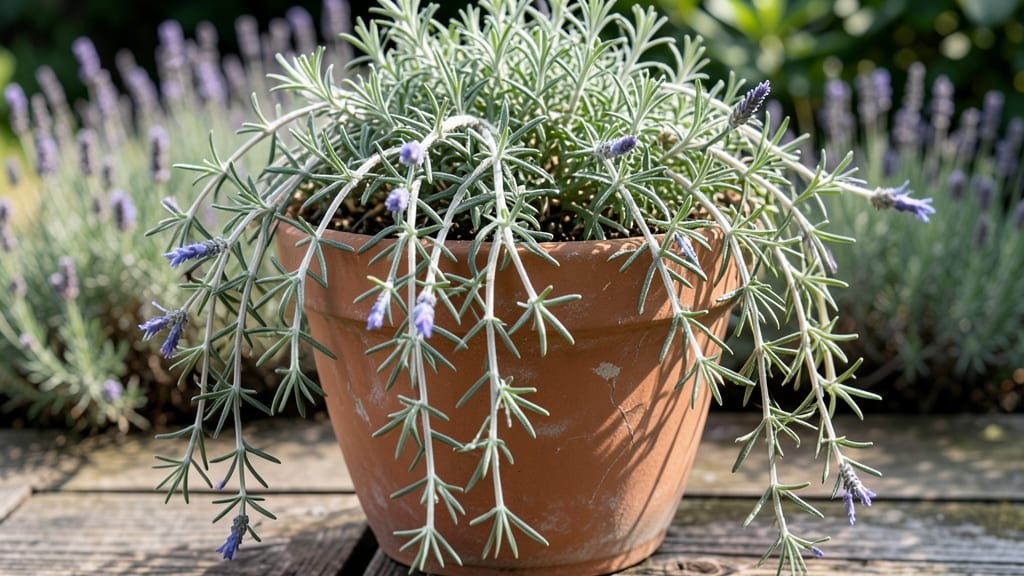
Growing trailing rosemary for its edible piney aroma and culinary versatility is one of those gardening wins that feels like cheating. 🌿 This hardy, low-maintenance herb spreads beautifully in containers or along borders while giving you fresh flavor for roasts, breads, and marinades—no grocery store trip required.
The secret to thriving trailing rosemary lies in its love for full sun (at least 6 hours daily) and well-draining soil—think sandy loam or a mix with perlite. Unlike upright rosemary, this variety grows horizontally, making it perfect for hanging baskets or spilling over walls.
Once established, it barely needs watering, surviving drought like a pro. When you harvest, snip sprigs from the tips to encourage bushier growth, and use the fresh leaves in anything from homemade rosemary butter to infused olive oil. The scent alone makes your kitchen feel like a Mediterranean garden.
This herb handles heat and cold better than most, making it ideal for USDA zones 7-10. Even in colder climates, it often recovers from light freezes—just prune back any damaged growth in spring. Ready to grow your own flavor factory?
📚 In This Guide
- What you need
- Instructions
- Tips and common mistakes
- Wrapping up and next steps
What you need
- ● Trailing rosemary plant: 1-2 healthy nursery-grown plants (look for Rosmarinus officinalis ‘Prostratus’ or similar trailing varieties).
- ● Well-draining soil: 5-10 lbs of cactus or Mediterranean mix (or regular potting soil amended with perlite/sand for drainage).
- ● Containers or garden space: For pots: 1-2 12-inch-wide or larger containers (trailing rosemary needs room to spread—aim for at least 12 inches deep).
- ● For gardens: Full sun exposure (6+ hours/day) and sandy, alkaline soil (pH 6.0–7.0).
- ● Fertilizer: 1 tbsp of low-nitrogen, balanced fertilizer (e.g., 5-5-5 or organic options like fish emulsion).
- ● Pruning shears: Sharp, clean pair for trimming (sterilize with rubbing alcohol between cuts).
- ● Watering can or hose: With a gentle spray nozzle to avoid damaging delicate stems.
- ● Mulch: 2-3 inches of gravel or pebbles to retain moisture and deter weeds.
- ● Herb companion plants: Thyme, lavender, or sage (they thrive in similar conditions!).
- ● Support trellis or hanging basket: For vertical gardening (trailing rosemary can grow up to 3–5 feet long!).
- ● Organic pest control: Neem oil or insecticidal soap (if aphids or spider mites appear).
Step-by-step guide to growing trailing rosemary as an edible herb
This hardy, fragrant herb thrives in containers and cascades beautifully—here's how to cultivate it for kitchen and garden alike.
🪴 Step 1: Select the Right Container and Soil
Choose a 12-14 inch wide container with drainage holes—trailing rosemary needs room to spread its woody stems. I prefer terracotta pots because they wick away excess moisture, preventing root rot. Fill the bottom third with gravel or perlite for drainage, then add 3-4 gallons of well-draining potting mix mixed with 1 part coarse sand to improve aeration.
Press the soil down lightly but firmly—you want it settled enough to support the plant's weight but still loose enough for roots to penetrate. The key here is avoiding compacted soil, which suffocates rosemary's fibrous roots. A quick test: squeeze a handful—it should hold shape but crumble easily when released.
🌱 Step 2: Plant and Water for Initial Establishment
Dig a hole twice as wide as the root ball but no deeper. Place your rosemary plant in, then backfill with soil, pressing gently to eliminate air pockets. Water immediately after planting—this helps settle the soil and removes any air gaps around the roots. Use room-temperature water to avoid shocking the plant.
Water deeply until it drains from the bottom holes, then let the plant sit in 1 inch of standing water for 10-15 minutes to encourage root expansion. After that, allow the top 2 inches of soil to dry out before watering again. Overwatering at this stage is the fastest way to kill rosemary—it's far more drought-tolerant than most gardeners realize.
☀️ Step 3: Position for Optimal Sunlight and Airflow
Trailing rosemary demands full sun (6+ hours daily)—place your container where it gets morning sun and afternoon light. A south-facing balcony or patio works perfectly. If you notice new growth stretching toward the light with pale, sparse leaves, your plant needs more sun. Move it closer to the light source or supplement with a grow light for 4-6 hours daily during cloudy seasons.
Ensure good airflow by spacing containers 12-18 inches apart—this prevents fungal diseases like powdery mildew, which loves the humid conditions trailing stems create. If your climate is particularly damp, prune back any overly dense growth to improve circulation. You'll know airflow is right when the leaves stay crisp and the stems grow sturdy rather than leggy.
✂️ Step 4: Prune and Harvest for Bushier Growth
Pinch back the top 2-3 inches of new growth in early spring to encourage branching. This is where trailing rosemary gets its lush, cascading form—without pruning, it grows tall and woody. Use clean, sharp pruners to make cuts just above a leaf node (the bump where leaves attach). Avoid cutting into old, bare wood, as rosemary struggles to regrow from those areas.
Harvest sprigs anytime by snipping just above a leaf node—this encourages more growth from that spot. For culinary use, pick younger stems (they're more tender and flavorful). Never take more than one-third of the plant at once, or you'll stunt its ability to recover. If you see brown, brittle tips, it's a sign you're over-harvesting or the plant needs more water.
🌿 Step 5: Maintain Through Seasons for Year-Round Use
Reduce watering in winter—rosemary goes semi-dormant and needs far less moisture. Let the soil dry out completely between waterings, and avoid fertilizing during this time. In spring, resume regular care and apply a balanced, water-soluble fertilizer (like 10-10-10) at half strength every 4-6 weeks. Too much fertilizer burns rosemary's roots, so less is always better.
Watch for aphids or spider mites on the undersides of leaves—these pests thrive in dry conditions. Spray infested areas with neem oil or a soapy water solution (1 tsp mild dish soap per quart of water) to deter them. A healthy trailing rosemary should look vibrant green, with no yellowing or curling leaves—these are your cues that care is on track.
Tips & tricks for perfect trailing rosemary cultivation
Mastering trailing rosemary's growth habits transforms it from a decorative plant to a kitchen staple—here's how to get it right.
Container and Soil Selection: The 12-14 inch container size is non-negotiable for trailing varieties—anything smaller restricts root spread and leads to leggy growth. For the gravel or perlite layer at the bottom, I recommend using 2-3 inches of perlite specifically, as it improves aeration better than gravel alone. This layer acts like a moisture buffer, preventing the roots from sitting in soggy conditions while still allowing excess water to drain freely.
Initial Watering Strategy: That 10-15 minute standing water soak after planting is crucial—it mimics natural rainfall patterns and encourages roots to expand outward rather than circling the root ball. I've seen beginners skip this step and wonder why their rosemary struggles after a few months. Pro tip: Use a clear container temporarily to monitor drainage during this initial watering. You want to see water flowing freely from the bottom holes without puddling.
Sunlight Optimization: The 6+ hours of daily sun requirement is firm, but here's what I've learned about implementation: Position your container where it gets morning sun first—this prevents afternoon sun from scorching the leaves. For balcony growers, south-facing spots work best, but west-facing positions can work too if you provide afternoon shade during peak summer heat. The grow light recommendation for 4-6 hours during cloudy seasons is spot-on, but I've found LED grow lights with full spectrum bulbs work better than basic fluorescent options—they mimic natural sunlight more effectively.
Pruning Technique: When pinching back those top 2-3 inches of new growth in early spring, focus on creating an open center rather than just trimming the tips. This encourages lateral branching that gives you that coveted trailing effect. For harvesting, always use clean pruners and make your cuts at a 45-degree angle just above a leaf node—this prevents water from pooling on the cut surface and reduces disease risk. I've found that harvesting in the morning gives you the most flavorful sprigs since the essential oils are most concentrated then.
Pro Tips for Trailing Rosemary Edible
- Mastering trailing rosemary's growth habits transforms it from a decorative plant to a kitchen staple—here's how to get it right.
- Container and Soil Selection: The 12-14 inch container size is non-negotiable for trailing varieties—anything smaller restricts root spread and leads to leggy growth.
- Initial Watering Strategy: That 10-15 minute standing water soak after planting is crucial—it mimics natural rainfall patterns and encourages roots to expand outward rather than circling the root ball.
Frequently asked questions
Can I eat trailing rosemary straight from the plant?
Yes! Trailing rosemary is fully edible and safe to consume fresh. Snip off sprigs and use the leaves like you would with regular rosemary. For best flavor, harvest leaves before flowering. Pro tip: Rinse gently if grown in sandy soil to remove grit.
How long does it take for trailing rosemary to grow enough for harvesting?
Trailing rosemary typically reaches harvestable size (6–12 inches) in 3–6 months from planting. Prune lightly to encourage bushier growth, but avoid over-trimming—you’ll sacrifice flavor and yield. Patience pays off for the best piney aroma!
What’s the best way to use trailing rosemary in cooking?
Use it like regular rosemary! Sprinkle fresh leaves over roasted meats (), potatoes, or bread dough. For infusions, steep 2–3 sprigs in hot oil (for drizzling) or tea (steep 5 mins). Fun fact: Its trailing form makes it perfect for hanging pots near your kitchen!
My trailing rosemary leaves are turning yellow—what’s wrong?
Yellowing leaves often signal overwatering or nutrient deficiency. Ensure well-draining soil and water only when the top inch is dry. Feed with a balanced fertilizer (10-10-10) in spring. Quick fix: Trim affected leaves to encourage new growth.
Can I substitute trailing rosemary for regular rosemary in recipes?
They’re the same species (Rosmarinus officinalis), just with a trailing growth habit. Use them interchangeably, but note that trailing varieties may have a slightly milder flavor. For stronger aroma, harvest leaves from younger stems.
Wrapping up and next steps
Trailing rosemary isn’t just a stunning ornamental plant—it’s a flavor-packed, edible superstar that can elevate your cooking with its piney, aromatic charm. Whether you’re sipping rosemary-infused cocktails, seasoning roasted meats, or whipping up fragrant homemade bread, this versatile herb proves that beauty and taste go hand in hand. 🌿✨
Now that you’re armed with growing tips and culinary ideas, why not take the next step? Plant a trailing rosemary in your garden or balcony this weekend, and let its delicious potential unfold—one piney leaf at a time! 🌱