
Planting
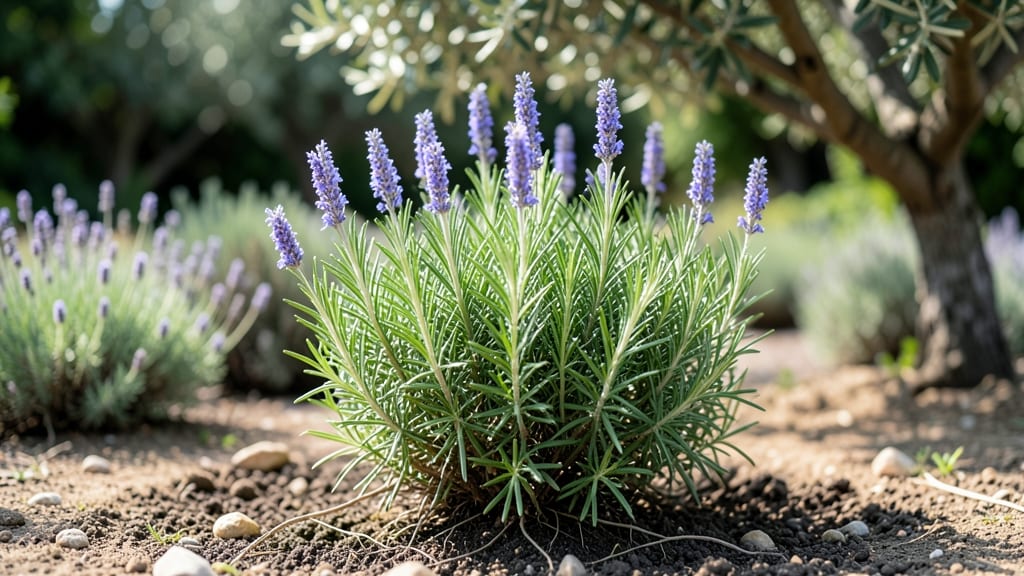
Growing an edible rosemary plant means fresh piney flavor in your kitchen and a fragrant evergreen shrub in your garden. 🌿 I've learned that rosemary isn't just hardy—it's surprisingly easy to grow once you understand its simple needs.
This Mediterranean native thrives in conditions that would kill most herbs, making it perfect for beginners who want low-maintenance results.
The secret to growing rosemary starts with well-draining soil and full sun—at least 6-8 hours daily. Too much moisture is its only real enemy, which is why containers with drainage holes work perfectly. Water deeply but infrequently, letting the top inch of soil dry out between waterings.
Prune regularly to encourage bushier growth and prevent woody stems, and you'll have a productive plant in as little as 3-4 months.
Harvesting is where the magic happens—snip fresh sprigs anytime for cooking, or let it grow for ornamental appeal. The flavor intensifies when grown in cooler weather, so don't hesitate to harvest through fall and even winter in mild climates.
My rosemary plants produce year-round with minimal care, and the aroma alone makes the effort worthwhile.
Whether you're growing in pots on a balcony or planting directly in the ground, rosemary adapts beautifully. Just avoid heavy clay soils, and you'll have a plant that rewards you with both beauty and flavor. Here's how to get started with confidence—no green thumb required.
📚 In This Guide
- What you need
- Instructions
- Tips and common mistakes
- Wrapping up and next steps
What you need
- ● Rosemary plant or seeds: 1–2 live rosemary plants (from a nursery or garden center) or
- ● 1 packet of rosemary seeds (look for Salvia rosmarinus varieties like 'Tuscan Blue' or 'Arp' for culinary use).
- ● Well-draining potting soil: 1–2 bags (10–20 lbs each) of cactus/succulent mix or regular potting soil amended with perlite or sand (30–50% perlite/sand ratio).
- ● Containers: 1–2 5–7 gallon pots (with drainage holes) or
- ● 1 raised garden bed (minimum 12" deep) if planting outdoors.
- ● Drainage materials: Small pebbles, gravel, or broken terracotta pots (1–2 cups) for the bottom of containers.
- ● Watering can or hose with a gentle spray nozzle.
- ○ Fertilizer (optional but helpful): Balanced 10-10-10 fertilizer (1 tbsp per plant every 4–6 weeks) or
- ● Slow-release organic herb fertilizer (follow package instructions).
- ● Garden gloves (to protect hands from prickly stems).
- ● Pruning shears (for trimming and harvesting).
- ● Sunlight access: A south-facing window (6+ hours of sunlight daily) or a grow light (12–16 hours/day for indoor setups).
- ○ pH testing kit (optional): To ensure soil pH is between 6.0–7.0 (rosemary prefers slightly acidic to neutral soil).
- ○ Mulch (optional): 1–2 inches of gravel or straw to retain moisture and regulate temperature.
Step-by-step guide to growing a thriving edible rosemary plant
Here's the straightforward method I've used to keep rosemary lush and productive for years—indoors or out.
🪴 Step 1: Choose the Perfect Spot for Your Rosemary
Rosemary craves full sun, so pick a location that gets at least 6-8 hours of direct sunlight daily. If growing outdoors, a south-facing window or garden bed works best. For containers, place them where they won’t be shaded by other plants or structures. I’ve seen rosemary thrive in 10+ hours of sun, but even 6 hours will keep it alive—though growth may be slower.
If you’re growing indoors, a sunny windowsill is ideal, but supplement with a grow light if natural light is limited. Watch for leaves turning pale or stretching toward the light—this means it’s not getting enough sun. Move it closer or add a light immediately to prevent leggy growth.
🌱 Step 2: Plant in Well-Draining Soil and the Right Container
Rosemary hates soggy roots, so use a fast-draining potting mix blended with perlite or sand for extra aeration. If planting outdoors, amend heavy soil with compost and coarse sand to improve drainage. For containers, choose a pot with drainage holes—at least 12 inches wide and deep for one plant, since rosemary has a deep root system.
When planting, bury the root ball just below the soil line. Press the soil gently around the roots to secure the plant, but don’t compact it too tightly. Water lightly after planting to settle the soil, but avoid overwatering—rosemary is drought-tolerant once established.
💧 Step 3: Water Wisely to Keep Your Rosemary Healthy
Water your rosemary only when the top 1-2 inches of soil feel dry. Stick your finger into the soil to check—if it’s damp, wait a few more days. Overwatering is the fastest way to kill rosemary, so err on the side of underwatering. Once established, rosemary can go 2-3 weeks without water in warm, dry conditions.
When you do water, soak the soil thoroughly until water runs out the drainage holes. Empty the saucer underneath to prevent root rot. In winter, reduce watering significantly—rosemary enters a semi-dormant state and needs far less moisture.
✂️ Step 4: Prune and Harvest for Bushier Growth
Pruning encourages fuller, bushier growth and prevents your rosemary from becoming woody. Trim back leggy stems in early spring or after harvest by cutting just above a leaf node. You can also snip individual stems for cooking—just leave at least 3-4 inches of growth on the plant to keep it productive.
Harvest sprigs regularly to encourage new growth. The best time to harvest is in the morning after the dew has dried but before the sun gets too intense. Store fresh sprigs in the fridge for up to 2 weeks, or dry them for long-term use. Avoid harvesting more than one-third of the plant at a time to avoid stressing it.
☀️ Step 5: Protect and Maintain Through the Seasons
Rosemary is hardy in USDA zones 7-10, but it can survive winters in colder zones if protected. In zones below 7, grow it in containers and bring it indoors before frost, or mulch heavily outdoors. If growing outdoors in colder climates, choose a variety like ‘Arp’ or ‘Hill Hardy,’ which are more cold-tolerant.
Fertilize lightly in spring with a balanced, low-nitrogen fertilizer (like 10-10-10) to encourage healthy growth without promoting leafy, non-aromatic foliage. Avoid high-nitrogen fertilizers, which can make rosemary grow too fast and lose its flavor. Watch for pests like spider mites or aphids—spray with water or neem oil if you spot them early.
Tips & tricks for perfect edible rosemary growth
These simple strategies will help you grow rosemary that stays vibrant and productive year-round.
Light Optimization: If your rosemary starts stretching toward the light (a sign of legginess), it's not getting enough sun. For indoor plants, rotate the pot quarter-turns every few days so all sides get equal light exposure. This prevents uneven growth and keeps your plant compact. In low-light situations, supplement with a grow light for 12-14 hours daily—just keep it 6-12 inches above the plant to avoid scorching.
Soil Science: The secret to happy rosemary roots is that fast-draining mix. I've found that adding 30% perlite or coarse sand to your potting soil creates the perfect airy environment. For outdoor planting, mix in 1 part compost to 3 parts native soil—this improves drainage while providing nutrients. Pro tip: Test your soil's drainage by filling a container with your mix and adding water. If it drains completely within 10 minutes, you're golden.
Harvesting Strategy: When harvesting, always cut just above a leaf node where new growth appears. This encourages branching and keeps your rosemary bushy. I like to harvest every 4-6 weeks in the morning when oils are most concentrated. For maximum flavor, let the sprigs dry completely—hang them upside down in a warm, dark place for 1-2 weeks before storing. The dried leaves will keep their aroma for up to a year when stored in an airtight container.
Seasonal Care: In winter, reduce watering to every 3-4 weeks unless your home is extremely dry. The plant enters dormancy naturally, so don't be tempted to water regularly. For outdoor plants in cold climates, move containers to a sheltered spot or bring them indoors before temperatures drop below 20°F. If you must leave it outside, mulch heavily around the base to protect roots from freezing temperatures.
Pro Tips for Edible Rosemary Plant
- These simple strategies will help you grow rosemary that stays vibrant and productive year-round.
- Light Optimization: If your rosemary starts stretching toward the light (a sign of legginess), it's not getting enough sun.
- Soil Science: The secret to happy rosemary roots is that fast-draining mix.
Frequently asked questions
Got questions about growing and using edible rosemary?
Here are the most common ones—plus quick, practical answers to keep your herb thriving and delicious!
Can I grow rosemary indoors year-round?
Rosemary thrives indoors with bright, southern-facing light (or a grow light) and well-draining soil. Use a pot with drainage holes and water only when the top inch of soil is dry. A sunny windowsill or under-grow lights works best—just avoid cold drafts or overwatering.
How long does it take for rosemary to grow enough to harvest?
With proper care, rosemary can be harvested in 3–6 months from seeds or 2–4 weeks from a young plant. Prune lightly (cut back 1/3 of the growth) to encourage bushier, harvest-ready stems. Avoid heavy harvesting until the plant is at least 6–12 inches tall to ensure it stays healthy.
What’s the best way to use fresh rosemary in cooking?
Fresh rosemary adds bold flavor to roasted meats, potatoes, bread, and marinades. For best results, strip leaves from stems (discard woody parts) or finely chop the needles. Add sprigs to dishes early in cooking (or infuse oils) to release its aromatic oils. Pro tip: Freeze sprigs in ice cube trays with olive oil for easy, flavor-packed cooking!
Why is my rosemary turning yellow or brown?
Yellow leaves often mean overwatering or poor drainage—rosemary hates soggy roots! Brown edges? It’s likely underwatered or exposed to harsh sunlight. Check soil moisture (it should dry out between waterings) and ensure your pot has drainage. Trim affected leaves to encourage new growth.
What’s a good alternative if I can’t grow rosemary?
If rosemary isn’t your thing, try thyme, oregano, or marjoram for similar earthy, aromatic flavors. For a piney note, sage or lavender (sparingly!) can work in savory dishes. If you love rosemary’s aroma, culinary rosemary extract is a pantry-friendly backup for baking or marinades.
Wrapping up and next steps
Growing an edible rosemary plant is a rewarding journey that brings fragrant, flavorful, and health-boosting benefits right to your kitchen! Whether you're a seasoned gardener or just starting out, this versatile herb thrives with minimal effort and delivers big rewards—from aromatic dishes to natural remedies. 🌿✨
Now that you’re armed with the perfect growing conditions, care tips, and creative uses, why not take the next step? Plant your rosemary today and enjoy fresh, homegrown flavor year-round. Happy gardening—and happy cooking! 🍽️😊