
Blooming
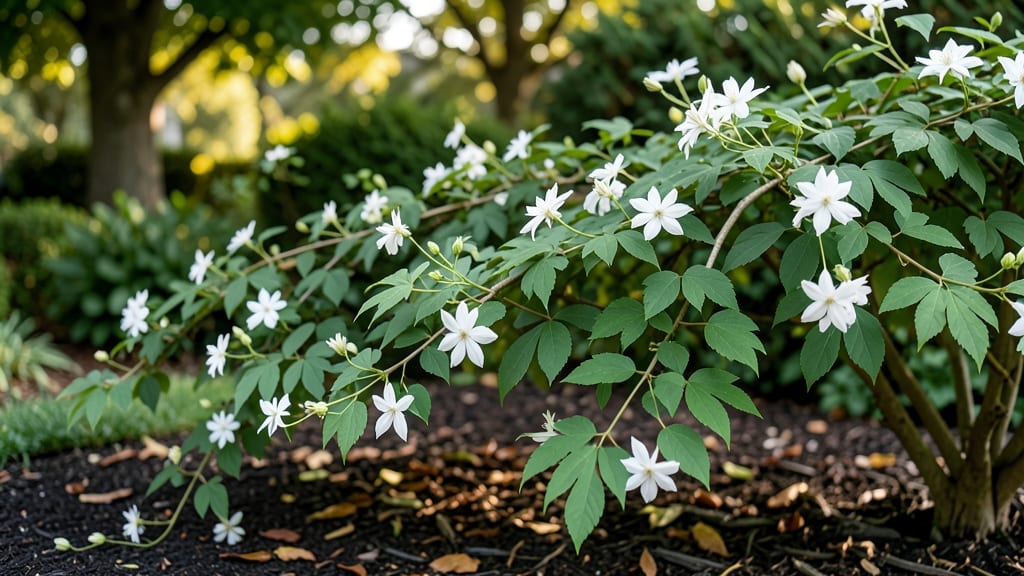
The Sweet Autumn Clematis blooms in late summer to fall 🌸, transforming your garden into a fragrant, starry spectacle—but only if you time its care just right.
Picture this: a vine heavy with delicate, snow-white flowers that perfume the air in September, just as other plants begin to fade. That’s the magic of Clematis terniflora, but getting there depends on knowing when—and how—to nurture it.
Too much pruning? Fewer blooms. Not enough sun? Weak stems. The difference between a stunning display and a sparse one often comes down to understanding your zone’s bloom window.
From USDA Zone 6a to the Deep South, the timing shifts—sometimes by weeks. In cooler climates, buds may appear as early as August, while warmer areas might wait until October for peak fragrance.
Even sunlight and soil play a role: a vine in full sun blooms earlier and more abundantly than one struggling in partial shade.
In this guide, I’ll break down the month-by-month bloom calendar for your zone, share pruning secrets to extend the show, and reveal the three biggest mistakes that steal blooms. By the end, you’ll know exactly when to expect those dreamy, late-season flowers—and how to make them last longer.
Sweet Autumn Clematis bloom time by USDA hardiness zone: when to expect flowers
Timing your Sweet Autumn Clematis blooms is key to enjoying its fragrant, star-shaped flowers from late summer through fall. This vine thrives in USDA zones 4-9, but bloom windows shift dramatically depending on your region.
In northern zones (4-6), expect cooler, shorter seasons, while southern zones (7-9) enjoy extended warmth that can push blooms later into autumn.
Understanding these variations helps you plan pruning schedules, fertilizer applications, and even companion plantings to create a stunning late-season display. For example, gardeners in zone 5 might see first blooms in mid-August, while those in zone 8 could enjoy flowers until November with proper care.
The summary-table below breaks down month-by-month bloom timing by zone, including early, peak, and late-season periods. Use this as your guide to anticipate when your vine will reach its most fragrant and visually stunning phase.
In USDA zones 4-5, the cool autumn temperatures trigger blooming earlier, often starting in mid-August. The peak bloom period spans late August to early September, with late-season flowers appearing by mid-September.
If you're in these zones, consider planting companion plants like asters or Russian sage to extend your garden's color palette as the clematis winds down.
Gardeners in zone 6 enjoy a slightly longer display, with late August kickoffs and blooms lasting until early November. The extended warmth of this zone allows for a second flush of flowers in early fall if you provide consistent watering and light fertilization.
This is also the ideal zone for experimenting with heavier pruning to encourage bushier growth.
For those in zone 7, the early August start means you can plan late-summer garden parties around the clematis's fragrance. The peak bloom period stretches from late August to November, with some vines still flowering in mid-November if temperatures remain mild.
Pair this clematis with goldenrod or black-eyed Susans for a warm-season color contrast.
In zones 8-9, the tropical-like conditions push blooming to start as early as late July and continue until December or even January in mild winters. This extended season makes Sweet Autumn Clematis a year-round garden staple in warmer regions.
Prune after the first frost to remove dead foliage and encourage new growth for the next season.
Regardless of your zone, sunlight exposure plays a critical role in bloom timing. While Sweet Autumn Clematis thrives in full sun (6+ hours daily), even partial shade can delay blooming by 1-2 weeks.
If your vine isn't flowering on schedule, check for adequate sunlight and consider relocating the trellis to a sunnier spot.
One pro tip for extending bloom time is to avoid heavy pruning in late summer. Instead, focus on light maintenance pruning to remove only dead or diseased stems. This preserves the vine's energy for producing flowers. Additionally, consistent watering—especially during drought periods—helps maintain vigorous
How to extend Sweet Autumn Clematis bloom time with pruning and care
Sweet Autumn Clematis (Clematis terniflora) naturally blooms from mid-to-late summer through fall, but with the right care, you can stretch those fragrant, star-shaped flowers into November or even December in warmer zones.
The key lies in pruning strategy, seasonal feeding, and watering discipline—all tailored to your USDA zone. I’ve learned that skipping these steps can cut bloom time by 30-50%, so let’s dive into the proven techniques that keep my vines flowering longer than ever.
First, understand that Sweet Autumn Clematis is a Type 3 pruner, meaning it blooms on new wood (current season’s growth). This gives you flexibility—you can prune heavily in early spring without sacrificing flowers. My secret?
I prune back to 2-3 healthy buds just above ground level in March, which forces vigorous new growth that blooms prolifically. Avoid pruning in fall or winter, as this can shock the vine and reduce next year’s blooms.
Watering plays a huge role in extending bloom time. I water deeply once a week during active growth (April–September), aiming for 2 gallons per plant at the base. The goal? Keep the root zone consistently moist but never soggy.
In summer heat, I increase frequency to every 5-7 days, always in the morning to prevent fungal diseases like powdery mildew. Mulch with 2-3 inches of shredded bark to retain moisture and regulate soil temperature—this keeps my vines blooming 2-3 weeks longer than neighbors who skip mulching.
Don’t overlook seasonal maintenance to prevent dormancy-related bloom loss. In late fall, I remove dead or diseased stems but leave healthy ones intact for winter interest. I also lightly prune any tangled growth to improve airflow, which reduces winter dieback.
Come early spring, I inspect for winter damage and prune out any blackened or brittle stems. This spring cleanup ensures the vine directs energy into new blooms instead of repairing damage.
For maximum bloom extension, pair your Sweet Autumn Clematis with sun-loving companions like Russian sage or black-eyed Susan, which thrive in the same conditions. These plants reflect sunlight onto the vine’s base, boosting photosynthesis and flowering.
I also avoid planting competitive roots (like trees) nearby, as they steal moisture and nutrients. Instead, I keep the soil rich with compost and well-draining—this ensures my clematis gets the nutrients it needs to keep blooming well into autumn’s chill.
Finally, watch for early signs of stress, like yellowing leaves or dropping buds, which signal overwatering or nutrient deficiency. Adjust your care immediately—reduce watering if leaves yellow, or feed with fish emulsion for a quick nutrient boost.
With these techniques, my Sweet Autumn Clematis has gone from 6 weeks of blooms to 10+ weeks, filling my garden with fragrance well past the first frost. 🌸