
Blooming
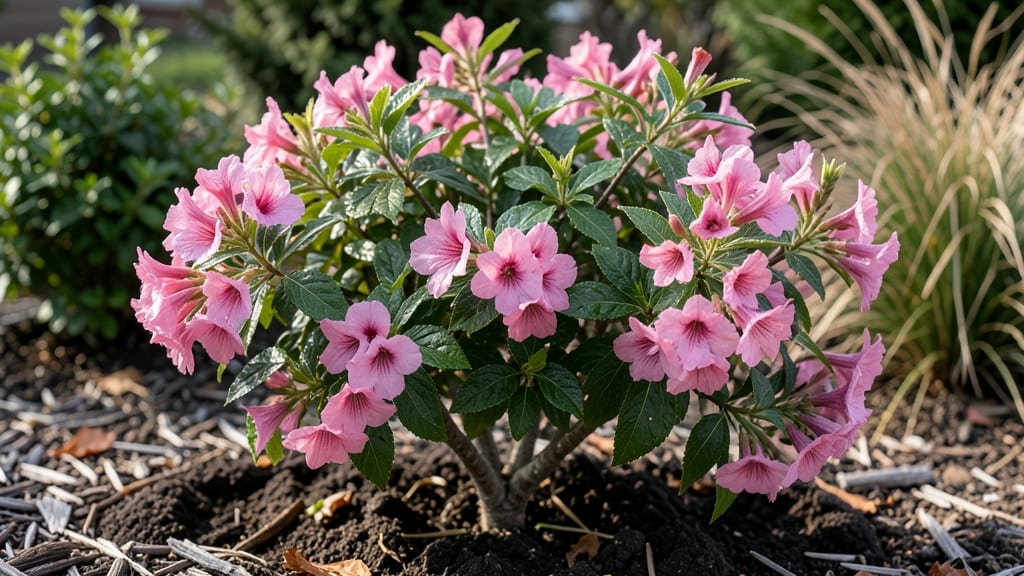
Sonic Bloom Pink Weigela in winter thrives by leveraging its cold-resistant nature—trim dead branches in late winter, apply thick mulch around the base, and shield from freezing winds. Drought-tolerant varieties still benefit from light watering during icy spells to prevent root stress.
This hardy shrub's winter resilience comes from its ability to endure USDA zones 5-9, where temperatures can drop below freezing. 🌬️ The key to success lies in protecting its roots—mulch acts as insulation against temperature swings, while pruning in late winter removes dead wood that could harbor pests.
Evergreen varieties may lose some leaves in harsh cold, but their structure remains intact, ready to burst back to life with spring's warmth.
For extra protection, consider wrapping young plants in burlap or using temporary windbreaks to shield them from desiccating winter winds. This approach mimics the plant's natural dormancy cycle while minimizing stress. Remember, the goal isn't to create a tropical environment but to support the plant's built-in survival mechanisms.
💡 In This Article
- How Cold Weather Affects Sonic Bloom Pink Weigela Growth
- Winter Pruning and Protection Tips for Weigela Shrubs
How cold weather affects Sonic Bloom Pink Weigela growth
Sonic Bloom Pink Weigela's winter hardiness stems from its genetic adaptation to USDA zones 5-9, where it can withstand temperatures as low as -20°F without permanent damage. The plant enters a natural dormancy phase when nights stay consistently below 40°F, slowing metabolic processes to conserve energy.
During this time, its cellular structure produces antifreeze proteins that prevent ice crystals from forming in its tissues—similar to how some cold-hardy fruits survive freezing conditions.
Mulching plays a critical role in winter survival by creating a 3-4 inch thick insulating layer that moderates soil temperature fluctuations. Without mulch, soil temperatures can swing 20°F+ between day and night, stressing the roots.
Organic mulches like shredded bark or straw also improve soil moisture retention, which is crucial since frozen ground prevents water absorption. The mulch's insulating effect can raise soil temperatures by 5-10°F compared to bare soil, creating a microclimate that protects delicate root systems.
You'll notice two distinct types of winter damage: frost damage and natural dieback. Frost damage appears as blackened, mushy stems that collapse when touched, often accompanied by a foul odor.
Natural dieback, however, shows as brown, crisp stems that break cleanly when bent—this is the plant's way of shedding damaged growth. The key difference is that frost-damaged areas won't regrow, while natural dieback stems will sprout fresh growth from latent buds at the base when spring arrives.
Temperature fluctuations create additional challenges. Rapid warming followed by sudden freezes can cause internal ice formation in plant tissues, similar to how water pipes burst. This is why protecting plants from afternoon sun exposure during winter is crucial—direct sunlight can heat plant surfaces while roots remain frozen.
The Sonic Bloom variety handles this better than some cultivars due to its thicker bark, which provides an extra layer of protection against temperature extremes.
Evergreen varieties like Sonic Bloom may lose some leaves in harsh winters, but their woody structure remains intact. The plant's ability to photosynthesize through its evergreen foliage provides a slight energy advantage during brief warm spells.
However, prolonged exposure to below 0°F temperatures can cause leaf scorch, turning foliage brown. This is normal and won't harm the plant's long-term health, as new growth emerges from protected buds when conditions improve.
What most gardeners don't realize is that Weigela actually benefits from winter's chill period. This process, called vernalization, helps trigger spring flowering by breaking dormancy more effectively. Without adequate cold exposure, plants may produce fewer blooms or flower later in the season.
The ideal winter scenario for Sonic Bloom combines consistent cold with protected roots—this balance ensures both survival and vigorous spring growth.