
How To
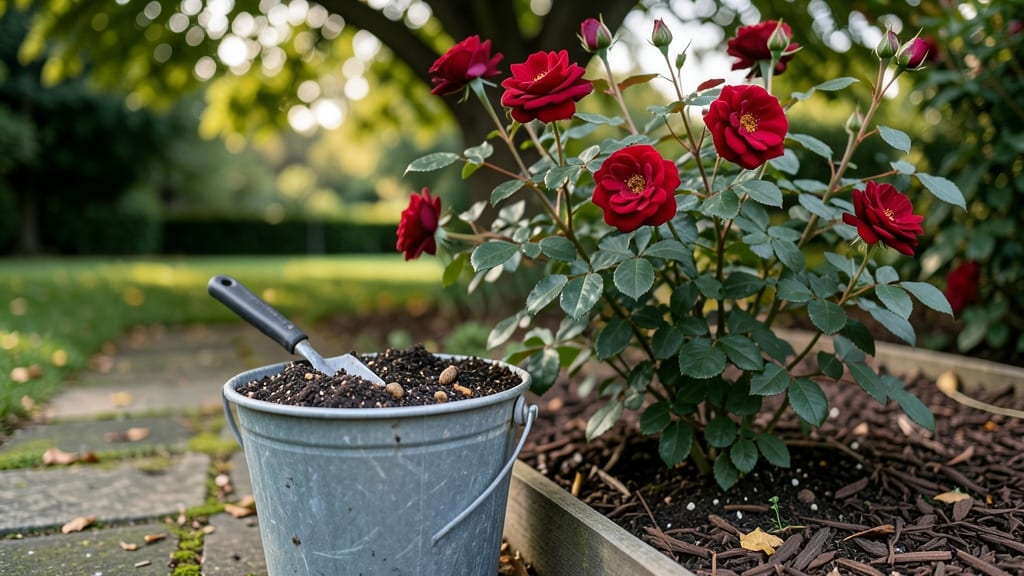
The perfect soil mixture for roses isn't just dirt—it's the foundation for vibrant blooms and healthy plants that thrive year after year. 🌹 I learned this the hard way when my roses struggled in heavy clay soil, producing sparse blooms and weak stems.
The right mix improves drainage, aeration, and nutrient availability—key factors that determine whether your roses will flourish or fight just to survive.
Start with a base of 60% garden soil (or existing soil from your rose bed) and blend in 30% compost for organic matter and nutrients. Add 10% perlite or coarse sand to prevent compaction and ensure water drains freely.
This simple ratio creates an ideal balance that roses crave—loose enough to breathe but rich enough to support strong growth. For even better results, mix in a handful of bone meal or kelp meal to boost phosphorus and potassium, which encourage blooming and root development.
Once mixed, your soil should feel like a damp sponge—light enough to crumble in your hands but moist enough to hold nutrients. Roses reward this effort with longer bloom seasons, fewer diseases, and stems sturdy enough to support heavy flowers.
The difference between a struggling rose and a showstopper often comes down to the soil beneath its roots.
This blend works for both in-ground plantings and container-grown roses, though containers may need extra perlite to prevent waterlogging. Avoid common mistakes like over-amending with fresh manure (it burns roots) or skipping the drainage component—roses hate soggy feet.
With this perfect mix, your roses will reward you with fragrant, abundant blooms that turn heads in the neighborhood.
📚 In This Guide
- What you need
- Instructions
- Tips and common mistakes
- Wrapping up and next steps
What you need
- ● Garden soil (topsoil) – 50% of the mix (2 parts). Use loamy, well-draining soil with a pH of 6.0–6.5.
- ● Compost or aged manure – 25% (1 part). Boosts nutrients without burning roots. Cow or horse manure works best.
- ● Perlite or vermiculite – 10% (½ part). Improves aeration and drainage. Perlite is lighter; vermiculite retains moisture.
- ● Peat moss or coconut coir – 10% (½ part). Holds moisture while preventing compaction. Coir is eco-friendly!
- ○ Sand (optional but helpful) – 5% (¼ part). Only if your soil is heavy clay. Use coarse horticultural sand (avoid fine beach sand!).
- ● Garden trowel or shovel – For mixing and amending soil.
- ● Wheelbarrow or large bucket – To blend ingredients evenly.
- ● Garden gloves – Protect your hands from sharp tools and rough soil.
- ● pH testing kit – Ensures your soil is in the ideal 6.0–6.5 range for roses.
- ● Watering can or hose – For moistening the mix before planting.
- ● Worm castings – 5% (¼ part). Adds gentle, slow-release nutrients and improves soil structure.
- ● Lime (if soil is acidic) – Adjust pH if needed. Test first!
- ● Slow-release rose fertilizer – Mix in at planting for a nutrient kickstart.
- ● Biochar or charcoal – 5% (¼ part). Enhances drainage and microbial activity.
Step-by-Step guide to crafting the ideal rose soil mix
Here's the exact blend that ensures your roses thrive—rich, fragrant blooms with perfect drainage every time.
🌱 Step 1: Gather Your Base Materials for Structure and Aeration
Start with 50% high-quality garden soil as your foundation—this provides essential nutrients and microbial life roses need. I add 30% coarse sand (or perlite for a lighter mix) to prevent compaction and improve drainage. This is critical because roses hate soggy roots, and the sand creates air pockets that keep roots oxygenated.
Sift the garden soil through a ¼-inch mesh screen to remove clumps and debris. For the sand, use builder's sand (not fine beach sand) to ensure proper grit. Mix these two components first in a wheelbarrow or large container. You'll see the texture transform from dense to loose and crumbly—this is your signal the base is ready for enrichment.
🌿 Step 2: Incorporate Organic Matter for Nutrient-Rich Depth
Add 20% well-aged compost or leaf mold to supply slow-release nutrients and improve moisture retention. I prefer compost because it introduces beneficial microbes that help roses resist disease. For extra fragrance, mix in 1 cup of worm castings per cubic foot of soil—this boosts phosphorus and potassium, which are vital for bloom production.
Work the compost into the soil-sand blend until it's evenly distributed. You'll notice the mixture darkens and smells earthy—this indicates healthy organic content. Avoid fresh manure or uncomposted materials, as they can burn tender rose roots. If your soil feels gritty after mixing, add another 5% peat moss to improve water-holding capacity without suffocating roots.
☀️ Step 3: Customize for Your Climate and Rose Variety
For sandy soils, reduce the sand to 20% and increase compost to 30% to retain moisture. If you're planting climbing roses, add a handful of slow-release rose fertilizer (10-10-10 ratio) per cubic foot—these varieties demand extra nutrients to support their vigorous growth. I always test the pH of my mix before finalizing; roses thrive in slightly acidic to neutral soil (6.0-6.5).
For heavy clay soils, blend in 40% coarse sand or perlite and 15% composted pine bark to break up compaction. The bark chunks create channels for water and air movement. After mixing, fluff the soil with a garden fork to ensure no pockets of dense material remain. The ideal texture should resemble a well-drained cake batter—light but able to hold moisture.
💧 Step 4: Test and Adjust for Perfect Drainage
Fill a 1-gallon container with your mixed soil and pour 2 cups of water into it. If water drains within 10-15 minutes but leaves the soil slightly damp, your mix is perfect. If it drains too quickly (within 5 minutes), add 5% more compost or peat moss. If it pools at the bottom after 30 minutes, increase the sand or perlite by 10% and remix.
Dig a 6-inch deep hole at your planting site and fill it halfway with your custom mix. Add a 2-inch layer of gravel at the bottom if your native soil is particularly dense—this creates a drainage layer that prevents waterlogging. The goal is to mimic the loose, well-draining conditions roses love in their native habitats.
✂️ Step 5: Amend and Maintain for Long-Term Success
After planting, top-dress the soil with 1 inch of finished compost every 4-6 weeks during the growing season. This replenishes nutrients without overwhelming the roots. I also mulch with 2 inches of shredded bark to conserve moisture and regulate soil temperature—roses hate temperature fluctuations, and mulch acts as a natural insulator.
Every 2-3 years, refresh the soil by mixing in another 20% compost and 10% sand or perlite. This prevents nutrient depletion and maintains the perfect texture. You'll see stronger canes, more abundant blooms, and fewer pests when the soil stays balanced. The key is consistency—roses reward patience with years of fragrant, repeat blooms when given the right foundation.
Tips & tricks for perfect rose soil mix
These game-changing insights will help you create the ideal foundation for roses that thrive with vibrant blooms and robust health.
Texture Test: After mixing your base components in Step 1, perform the "squeeze test"—grab a handful of the soil-sand blend and press firmly. If it crumbles easily but holds shape when released, you're golden. This texture ensures proper aeration while preventing compaction. If it feels too dense, add another 5% coarse sand or perlite until you achieve that perfect balance.
Organic Matter Matters: When incorporating the 20% well-aged compost in Step 2, look for dark, crumbly material with an earthy smell. Avoid any chunks larger than ¼-inch—they won't break down properly and can create air pockets that disrupt root growth. For the worm castings, use only high-quality, processed castings to prevent introducing pests or pathogens to your rose beds.
Drainage Debugging: In Step 4, if your mix drains too quickly (within 5 minutes), don't just add more sand—this creates a desert-like environment roses despise. Instead, focus on adding the 5% peat moss first, then reassess. The peat moss improves moisture retention while maintaining aeration. For mixes that pool water after 30 minutes, increase sand or perlite by 10% in small increments to avoid over-drying.
pH Precision: Before finalizing your mix in Step 3, test the pH using a simple soil test kit. Roses thrive in slightly acidic to neutral soil (6.0-6.5), but many garden soils run alkaline. If your mix tests above 7.0, amend with elemental sulfur (¼ cup per cubic foot) to lower the pH gradually. For alkaline climates, consider using pine bark fines instead of composted pine bark—they naturally acidify the soil over time.
Pro Tips for Soil Mixture For Roses
- These game-changing insights will help you create the ideal foundation for roses that thrive with vibrant blooms and robust health.
- Texture Test: After mixing your base components in Step 1, perform the "squeeze test"—grab a handful of the soil-sand blend and press firmly.
- Organic Matter Matters: When incorporating the 20% well-aged compost in Step 2, look for dark, crumbly material with an earthy smell.
Frequently asked questions
What’s the best ratio for a homemade rose soil mix?
A balanced blend typically includes 60% garden soil, 30% compost or aged manure, and 10% perlite or coarse sand for drainage. For heavy clay soil, bump up the perlite to 15%—roses hate soggy roots! Adjust based on your local soil type for optimal results.
When is the best time to amend my rose beds?
Spring and early fall are ideal! Spring kickstarts growth, while fall preps roots for winter. Avoid amending in extreme heat or cold—soil microbes (the good guys!) work best in mild temps. Pro tip: Top-dress with compost annually to keep nutrients steady.
Can I use potting mix instead of garden soil for roses?
Yes, but with a twist! Potting mix is lighter and drains faster, so mix it 50/50 with compost and add 20% perlite to mimic garden soil. Avoid pure potting mix—it lacks the structure roses need for long-term health. For containers, ensure pots have drainage holes!
Why are my rose leaves yellowing after I changed the soil?
Yellow leaves often signal overwatering or nutrient shock. Check drainage—if water pools, add more perlite or sand. If leaves are pale, they may need iron or nitrogen. Wait 2–3 weeks before fertilizing; new soil already has nutrients. Monitor moisture—roses prefer consistently moist but not soggy soil.
Are there easy alternatives if I don’t have compost?
Swap compost for well-rotted leaf mold, worm castings, or peat moss (though peat is less eco-friendly). For a quick fix, blend 1 part coconut coir (retains moisture) with 2 parts garden soil + perlite. Just ensure your mix stays loose and airy—roses thrive on aeration!
Still stumped? Drop your rose-growing challenges below—we’re happy to help!
Wrapping up and next steps
Creating the perfect soil mixture for roses is all about giving your blooms the ideal balance of nutrients, drainage, and aeration. With the right blend—like loamy soil, compost, and perlite—you’ll set the stage for vibrant, fragrant roses that thrive year after year. 🌹
Now that you’re armed with the knowledge, it’s time to roll up your sleeves and get planting! Start by testing your garden soil, then mix in your chosen amendments for a flawless foundation. Watch your roses reward you with stunning blooms and lush growth—happy gardening! 🌱