
Blooming
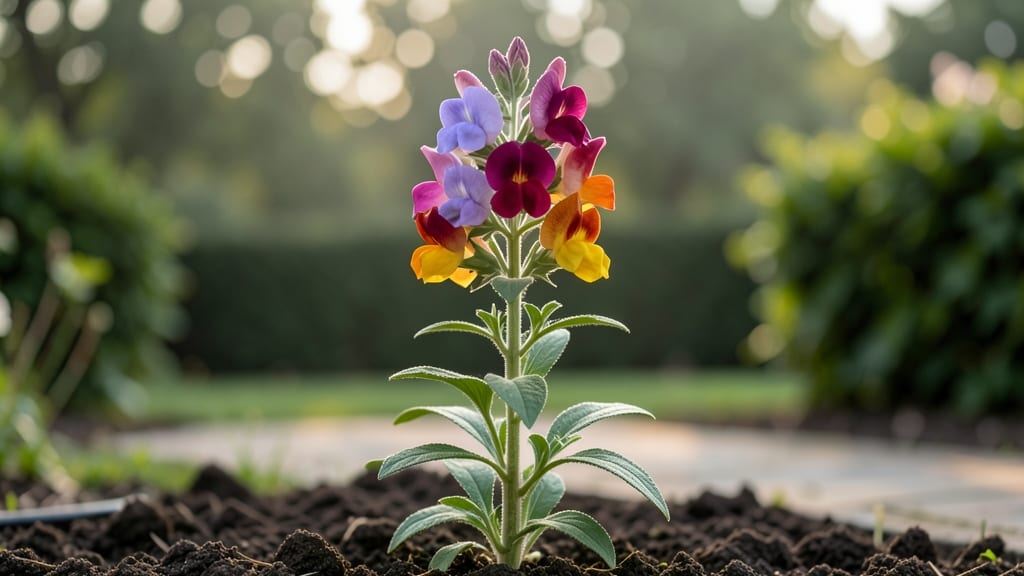
The snapdragon bloom time depends on daytime temperatures rising between 50°F and 85°F, a window that explains why your 🌸 plants may burst into color in early summer—or sit stubbornly dormant until late spring.
If you’ve ever wondered why your snapdragons bloom at different times—or why some varieties refuse to flower at all—heat and sunlight exposure hold the key to unlocking their full potential.
In USDA Zone 6a, where most gardeners grow them, snapdragons typically start blooming in June and continue through October, but cooler mornings or afternoon shade can delay or shorten that show.
Below, I’ll break down how to read your climate’s cues, adjust care for longer blooms, and even coax a second flush of flowers—without guessing or overcomplicating things.
How heat triggers snapdragon bloom time by variety
Snapdragons (Antirrhinum spp.) are fascinating plants because their bloom time is directly tied to temperature fluctuations. While most varieties thrive in 50°F–85°F ranges, the exact heat thresholds that trigger flowering vary by type.
Annual snapdragons, like 'Matrix Hybrid', often bloom prolifically in warm spring weather, while perennial varieties may need cooler evening temperatures to set buds. Understanding these patterns helps gardeners time plantings for peak color.
Heat acts as a bloom catalyst by stimulating hormonal changes in snapdragons. When daytime temperatures rise above 70°F, many varieties enter a flowering phase within 6–8 weeks. However, prolonged exposure to extreme heat (above 90°F) can shock plants, causing buds to drop before opening.
This is why heat-tolerant varieties, like 'Rocket Series', are popular in southern climates.
Here’s how different snapdragon varieties respond to heat, with key temperature thresholds that influence their peak bloom periods:
For annual snapdragons, the 65°F–80°F range is ideal for triggering blooms. These varieties often start flowering 6–8 weeks after sowing when daytime temperatures consistently stay above 70°F. However, if nights remain above 75°F, buds may fail to open, leading to bud blast.
This is why gardeners in USDA Zones 8–10 often plant heat-tolerant varieties like 'Rocket Series' for extended blooms.
Perennial snapdragons, such as 'Black Prince', have a different heat tolerance profile. They prefer cooler evening temperatures (60°F–70°F) to set buds, which is why they often bloom later in the season.
If daytime temperatures exceed 85°F for prolonged periods, these varieties may skip flowering entirely or produce sparse blooms. To encourage flowering, provide afternoon shade during peak summer heat.
Heat-tolerant varieties, like 'Rocket Series', are bred to handle 70°F–90°F ranges without stress. These snapdragons continue blooming through late summer and fall, making them perfect for container gardens or hot climates.
Their secret? A deep root system that accesses moisture and a thicker cuticle to reduce water loss. If you’re growing these in containers, ensure the soil stays consistently moist to prevent heat stress.
Dwarf snapdragons, like 'Tom Thumb', are the most heat-sensitive of the bunch. They thrive in 60°F–75°F ranges and often bloom in early to mid-summer before heat sets in. To extend their bloom time, plant them in partial shade or use shade cloth during the hottest afternoons.
These varieties are perfect for rock gardens or window boxes where they can escape intense sunlight.
To maximize snapdragon blooms, monitor your local heat thresholds and adjust planting times accordingly. For example, in Zone 5, sow seeds in late April to avoid late-spring frosts while ensuring blooms align with 65°F–80°F conditions. In Zone 9, opt for heat-tolerant varieties and provide daily watering to
Sunlight requirements for snapdragon blooms: full sun vs. partial shade
Snapdragons thrive when given the right amount of sunlight, but their bloom time and color intensity can vary dramatically depending on whether they receive full sun or partial shade.
Most varieties need at least 6 hours of sunlight daily to produce their signature upright blooms, but some dwarf or pastel types tolerate 3–4 hours of light. Understanding these differences helps you choose the perfect spot in your garden for vibrant, long-lasting flowers.
The color intensity of snapdragon blooms is directly tied to sunlight exposure. Plants basking in full sun (6+ hours) develop deeper, richer hues, while those in partial shade (3–4 hours) may produce softer, pastel shades.
For example, red and purple varieties like 'Matrix' or 'Rocket' need full sun to maintain their bold colors, whereas white or pale pink types like 'Cupid' can thrive with a bit more shade. This balance is key to maximizing your snapdragons' visual impact.
If your snapdragons are planted in full sun, you’ll notice they bloom earlier in the season and produce flowers for a longer duration, often from late spring through fall. However, in hot climates (above 85°F), afternoon shade can prevent wilting and extend the blooming period.
For instance, varieties like 'Hot Shot' or 'Tango' love full sun but may benefit from afternoon shade in zones like USDA 9–10 to avoid heat stress.
For partial shade, focus on varieties like 'Cupid' or 'Tom Thumb,' which are bred to handle 3–4 hours of sunlight daily. These types often bloom slightly later in the season but can still produce abundant flowers, especially in woodland gardens or under dappled tree shade.
Just be prepared for fewer blooms per stem and slightly muted colors compared to their full-sun counterparts.
One common mistake gardeners make is assuming all snapdragons need full sun. While most varieties prefer it, overheating can actually reduce bloom time, especially in dwarf or pastel types. To test your garden’s sunlight, use a sunlight tracker for a week—mark the hours your spot receives direct light.
If it’s less than 4 hours, opt for shade-tolerant varieties or provide afternoon shade with a lightweight shade cloth.
To maximize bloom duration, combine the right sunlight with consistent watering and deadheading. Snapdragons in full sun may need daily watering in summer to prevent stress, while those in partial shade can go 3–4 days between waterings.
By matching your variety’s sunlight needs to your garden’s conditions, you’ll enjoy vibrant blooms from early summer to frost. 🌸