
Planting
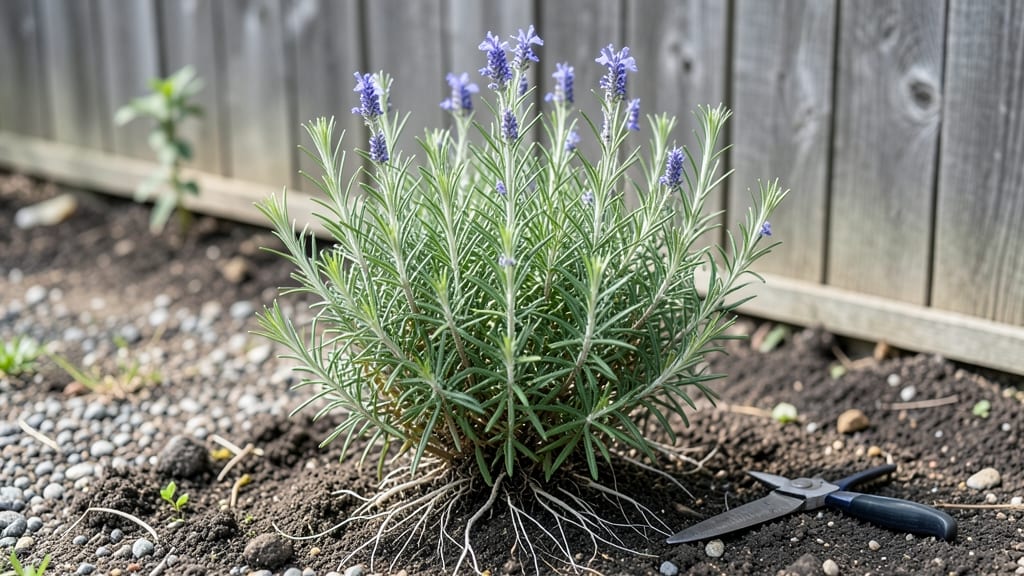
Growing rosemary with the right root depth 🌿 is the difference between a thriving herb and a plant that struggles to survive.
Picture this: you’ve planted your rosemary, watered it just right, and given it full sun—but after months, it’s still puny and sparse. The issue? Too shallow or too deep roots. Most gardeners overlook this critical detail, but it’s the foundation of strong growth.
In this guide, I’ll break down the ideal rosemary root depth—3 to 4 inches below soil level—and how to adjust for your soil type, whether you’re planting in pots or ground. You’ll also learn how to spot signs of improper depth and fix them before it’s too late.
By the end, you’ll know exactly how to plant rosemary for lush, aromatic growth that lasts year-round. Let’s get started.
How deep should rosemary roots be for optimal growth?
When planting rosemary, the root depth is one of the most critical factors for long-term success. Unlike shallow-rooted herbs, rosemary develops a deep taproot system that anchors it securely and accesses moisture from lower soil layers.
The ideal planting depth for rosemary is 3-4 inches below soil level, ensuring roots have space to spread while staying protected from extreme temperatures.
Rosemary's root system isn't just deep—it's also sensitive to waterlogging. The plant evolved in Mediterranean climates where summers are dry and winters mild. This means your soil must drain rapidly while retaining enough moisture for root development.
Clay-heavy soils or containers without drainage holes will strangle rosemary roots, leading to yellowing leaves and eventual decline.
Here's the science behind rosemary's root needs: the primary root grows vertically, while secondary roots branch out horizontally. When planted too shallow (less than 2 inches), these secondary roots struggle to establish, making the plant top-heavy and prone to wind damage.
Conversely, burying the stem too deep (more than 5 inches) can cause stem rot as moisture traps against the buried wood.
| Factor | Ideal Specification | Why It Matters |
|---|---|---|
| Planting Depth | 3-4 inches below soil line | Allows root system to establish without suffocating the stem |
| Root Spread | 12-18 inches diameter at maturity | Prevents root competition in garden beds |
| Soil Drainage | 60-70% sand/gravel mix | Prevents root rot in heavy soils |
| pH Level | 6.0-7.0 (neutral) | Optimal for nutrient uptake in roots |
| Spacing (Ground) | 3-4 feet apart | Allows roots to expand without crowding |
| Container Depth | 12+ inches deep | Accommodates full root development |
The 3-4 inch depth rule applies whether you're planting from seed, cutting, or transplanting a nursery-grown rosemary. For seedlings, dig a hole just deep enough to cover the roots without burying the crown (where stem meets roots).
If using hardwood cuttings (a popular propagation method), plant them at a 45-degree angle with the lower third buried—this encourages both root development and stem stability.
Soil composition plays a surprising role in root depth. In sandy soils, rosemary roots may grow deeper (up to 18 inches) to seek moisture, while in loamy soils, they'll spread more horizontally.
To mimic ideal conditions, amend heavy clay with perlite or coarse sand (aim for a 60% sand/40% organic matter mix). This creates the aeration rosemary roots crave while preventing compaction.
One common mistake is assuming larger containers automatically mean better root depth. While a 12-inch deep pot is ideal, shallow wide containers (like salad bowls) force roots to grow in circles, creating a root-bound plant.
Always choose containers with depth over width—rosemary's roots need vertical space to thrive. The same principle applies to in-ground planting: avoid planting near tree roots or in low-lying areas where water pools.
After planting, the first 4-6 weeks are critical for root establishment. During this time, water deeply but infrequently—aim for 1 inch of water per week—to encourage roots to grow downward.
Shallow watering creates a surface root system, making rosemary more susceptible to drought stress. Mulch with gravel or straw (never organic mulch) to maintain soil temperature and prevent moisture loss.
Monitor your rosemary's root health by observing leaf color and growth rate. Healthy roots produce deep green, fragrant needles with woody stems after 1-2 years. If leaves turn yellow or wilt quickly, it's often a sign of root suffocation from poor drainage.
Conversely, if growth stalls despite ample sunlight, the roots may be too shallow to support the plant's needs.
For container-grown rosemary, check root development by gently removing the plant from its pot after 6 months. If you see a dense network of white, fibrous roots filling the container, it's
Best soil conditions and planting techniques for rosemary roots
Rosemary thrives when its root system has the perfect balance of air, nutrients, and drainage. Unlike moisture-loving plants, rosemary hates soggy soil—its roots need room to breathe. The key lies in creating a well-aerated, sandy-loam mix that mimics its Mediterranean homeland.
Whether you're planting in containers or garden beds, these techniques will give your rosemary the strong foundation it needs to grow tall and aromatic.
For ground planting, choose a location with full sun exposure (6+ hours daily) and amend the soil with coarse sand or perlite to improve drainage. Rosemary roots spread 12-18 inches wide at maturity, so space plants 3-4 feet apart to prevent competition.
If your soil is heavy clay, consider raised beds or mounds to elevate roots above waterlogged zones.
⚠️ Critical Root Depth Warning
Rosemary roots must be planted at 3-4 inches deep—any shallower risks stunted growth, while deeper planting can cause root rot. The crown (where stems meet roots) should sit just above soil level to prevent moisture buildup. If transplanting, loosen roots gently to encourage horizontal spread rather than deep penetration.
When planting in containers, select pots with drainage holes and use a mix of 50% potting soil, 30% perlite, and 20% compost. The container should be at least 12 inches deep to accommodate root growth, but wider pots (18+ inches) work better for mature plants.
Place a 2-inch layer of gravel at the bottom to ensure excess water escapes quickly—rosemary roots despise sitting in wet conditions.
Seasonal timing matters too. Plant rosemary in early spring (after last frost) or early fall to avoid extreme heat stress. If starting from cuttings, root them in sandy soil mix under grow lights until established.
Mulch lightly with gravel or bark to retain moisture without suffocating roots—organic mulch can compact over time and reduce aeration.
Common mistakes like overwatering or planting too deep lead to yellowing leaves and poor growth. Always check soil moisture by sticking your finger 2 inches down—if it's damp, wait before watering.
For established plants, reduce watering to every 10-14 days in summer, letting the soil dry completely between sessions.
With the right soil conditions and planting depth, your rosemary will develop a robust root system that supports vigorous growth and fragrant foliage. Remember: drainage > moisture retention, and depth matters more than width for healthy roots. Happy planting! 🌱