
Container Gardens
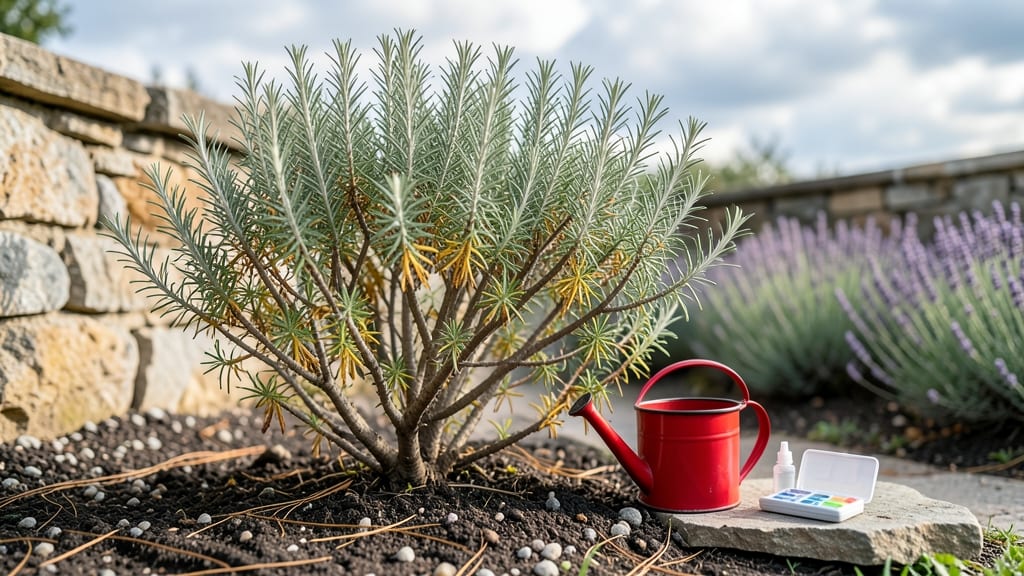
Rosemary refusing to grow? 🌿 The culprit is almost always too much water or not enough sun—both things I’ve fixed in my own struggling plants. Rosemary hates soggy roots and thrives in dry, bright conditions, so let’s diagnose what’s really going wrong with yours.
Start by checking your plant’s location—rosemary needs at least 6-8 hours of direct sunlight daily, and if it’s in shade, it’ll stretch and weaken. Then, dig into the soil: rosemary prefers well-draining mixes, and if it’s waterlogged, roots suffocate.
Stick your finger in—if it’s damp below an inch, you’re overwatering.
Reviving it is simple: move to full sun, let the soil dry completely between waterings, and trim back any leggy growth. Within weeks, you’ll see fresh, fragrant new shoots. The key is consistency—rosemary rewards patience with hardy, aromatic stems.
For container growers, repotting into a terracotta pot (which dries faster) and using a cactus/succulent mix helps. Once you nail these basics, your rosemary will grow bushier and more productive than ever—no more sad, stunted plants!
Root Causes Holding Back Rosemary
Rosemary’s slow growth—or complete refusal to thrive—often boils down to a few key environmental and cultural factors. Since rosemary (Rosmarinus officinalis) is a Mediterranean native, it’s adapted to thrive under specific conditions.
When those needs aren’t met, its growth stalls, leaves yellow, or stems become woody and brittle. Let’s break down the real culprits behind rosemary’s struggles, so you can diagnose and fix the problem fast.
Rosemary is a sun-worshipper—it craves at least 6 to 8 hours of direct sunlight daily, and more is even better. Without enough light, its growth slows dramatically, stems stretch weakly (a condition called etiolation), and leaves may turn pale or sparse.
But here’s the catch: too much scorching afternoon sun (especially in hot climates) can also stress rosemary. If your plant is in a container, check for these signs:
- Leggy, sparse growth = Not enough light
- Crispy, brown leaf edges = Light burn (common in full desert sun)
- Slow recovery after pruning = Light deficiency
Actionable fix: Place rosemary in a south- or west-facing spot (Northern Hemisphere) or north-facing (Southern Hemisphere) with afternoon shade if temperatures exceed 90°F (32°C). For containers, rotate them weekly to ensure even light exposure.
Rosemary’s drought tolerance is legendary—but that doesn’t mean it’s indifferent to water. Overwatering is the #1 killer of container-grown rosemary because its roots rot quickly in soggy soil. On the flip side, underwatering causes leaves to curl, drop, or turn brown and crispy.
Here’s the science: Rosemary’s native soil is well-draining and sandy, mimicking Mediterranean cliffs. Its roots need oxygen, not a swampy environment. When soil stays wet for more than 2–3 days, Phytophthora (a fungal pathogen) or root rot sets in.
Signs of water stress:
- Wilting despite moist soil = Root rot (check for foul-smelling roots)
- Yellowing leaves at the base = Overwatering
- Dry, brittle stems = Chronic underwatering
Actionable fix:
- ✅ Water deeply but infrequently: Soak the soil until water drains from the container’s bottom, then wait until the top 1–2 inches are dry before watering again.
- ✅ Use a moisture meter or the finger test—stick your finger 1 inch into the soil. If it’s dry, water; if damp, wait.
- ✅ Avoid wicking fabric or saucers—rosemary hates “wet feet.” Elevate containers with feet or use a cache pot.
Rosemary despises heavy, clay-rich, or nutrient-packed soil. Its ideal growing medium is fast-draining, slightly alkaline (pH 6.0–7.0), and low in organic matter.
If your soil is too rich (like garden soil or compost-heavy mixes), rosemary’s growth will stall as it focuses on surviving excess nitrogen instead of developing sturdy stems.
Common soil mistakes:
- Compacted soil = Roots suffocate, leading to poor nutrient uptake
- High organic content = Soil stays too moist, encouraging rot
- Acidic soil (pH < 6.0) = Nutrient lockout (rosemary prefers slightly alkaline conditions)
Actionable fix: Repot rosemary in a well-draining blend like:
- 60% cactus/succulent mix
- 30% perlite or pumice (for aeration)
- 10% coarse sand (or horticultural grit)
For containers, add a layer of gravel at the bottom for extra drainage. If your soil is too acidic, amend with crushed limestone or wood ash (sparingly).
Rosemary is a warm-weather plant that struggles when temperatures dip below 20°F (-7°C) or stay consistently above 90°F (32°C) without relief. It also hates humidity—high moisture levels in the air (like in bathrooms or kitchens) can promote fungal diseases like powdery mildew, which weakens growth.
Watch for these clues:
- Yellowing leaves in winter = Cold damage or draft exposure
- White powdery coating = Powdery mildew (thrives in humid, shady conditions)
- Stunted new growth in summer = Heat stress (especially without afternoon shade)
Actionable fix:
- 🌡️ Move indoors if temps drop below 20°F (-7°C). A sunny windowsill or grow light works.
- 🌬️ Improve air circulation with a small fan (rosemary loves gentle breezes).
- 💦 Reduce humidity by avoiding misting and placing a dehumidifier nearby if needed.
- ☀️ Acclimate slowly if bringing rosemary back outdoors after winter—gradually increase sun exposure over 1–2 weeks.
Rosemary’s roots grow outward, not deep, so it hates being root-bound. When a plant’s roots circle the pot or fill it completely, growth slows as the plant focuses on survival rather than expansion. Additionally, small or shallow containers limit root spread, leading to nutrient deficiencies.
Signs your rosemary is root-bound:
- Roots circling the bottom of the pot when you check
- Soil dries out too quickly (roots can’t access moisture efficiently)
- Stunted growth despite proper light and water
Actionable fix:
- ✅ Repot every 2–3 years into a container only 1–2 inches larger in diameter (too big = soil stays wet too long).
- ✅ Choose shallow but wide containers (rosemary prefers horizontal root growth).
- ✅ Prune circling roots when repotting—snip them with clean scissors to encourage outward growth.
Pro Tip: 💡 If your rosemary is struggling,
Revive Your Rosemary: Step-by-Step Fixes
If your rosemary plant is struggling to grow, don’t panic—most issues have simple fixes! Below, we’ll break down the most common problems and their solutions, so you can nurse your rosemary back to health and prevent future setbacks. Think of this as a rosemary first-aid kit for your container garden.
Rosemary is a sun-loving herb, and too little light is the #1 reason it stops growing. If your plant looks leggy, sparse, or pale, it’s begging for more sunshine.
How to Fix It:
🔥 Move to a sunnier spot – Place your rosemary in a location that gets at least 6–8 hours of direct sunlight per day. South-facing windows or a sunny balcony are ideal. 🍳 Rotate the pot weekly – This ensures even light exposure so the plant doesn’t lean toward one side. 👨🍳 Use a grow light (if indoors) – A simple LED grow light for 12–14 hours daily can work wonders if natural light is limited.
Prevention Tips:
✨ Choose the right container spot – Before planting, scout locations with maximum sunlight exposure. 🌡️ Monitor light changes – If seasons shift (e.g., shorter winter days), supplement with artificial light to maintain growth.
Rosemary hates soggy roots—it’s drought-tolerant and thrives in dry conditions. Overwatering or poorly draining soil can lead to root rot, stunted growth, or yellowing leaves.
How to Fix It:
🔪 Check the soil moisture – Stick your finger 1–2 inches deep into the soil. If it’s damp, wait before watering. Rosemary prefers soil that’s almost dry between waterings. ⏰ Adjust your watering schedule – Water only when the top inch of soil is dry, usually every 1–2 weeks (less in winter). 🌊 Ensure proper drainage – If your container lacks drainage holes, add them or repot into a container with holes. Mix in perlite or coarse sand (20%) to improve drainage.
Prevention Tips:
💡 Use well-draining soil – A mix of potting soil + perlite + sand (or cactus/succulent mix) works best. 🎯 Avoid saucers that trap water – If using a decorative outer pot, elevate it to prevent waterlogging.
Rosemary prefers lean, well-draining soil rich in organic matter but not overly fertile. Too much nitrogen or compacted soil can stunt its growth.
How to Fix It:
🍲 Repot with fresh soil – If the soil is waterlogged or nutrient-depleted, repot your rosemary into a well-draining mix (e.g., 60% potting soil + 30% perlite + 10% sand). 📊 Fertilize lightly (if needed) – Use a balanced, low-nitrogen fertilizer (like 5-5-5) once in spring or a diluted fish emulsion every 2–3 months. No fertilizer in winter!
Prevention Tips:
💪 Avoid rich garden soil – It retains too much moisture and can cause root rot. 🥗 Prune old growth – Trim back leggy or woody stems to encourage new, healthy growth.
Rosemary is a Mediterranean plant that struggles in high humidity or extreme cold. If your plant is wilting, dropping leaves, or growing slowly, it might be unhappy with its environment.
How to Fix It:
🌡️ Move to a warmer, drier spot – Ideal temperatures are 60–80°F (15–27°C). Avoid drafts, air conditioning vents, or humid bathrooms. 🌬️ Improve air circulation – Place a small fan nearby (on low) to mimic its natural windy habitat. ❄️ Protect from frost – If temperatures drop below 20°F (-6°C), bring potted rosemary indoors or cover it with a frost cloth.
Prevention Tips:
🔥 Hardening off young plants – If growing from cuttings, gradually expose them to outdoor conditions to avoid shock. 🎯 Monitor humidity – Keep levels below 50% for optimal growth.
If your rosemary has outgrown its pot, its roots may be circling or competing for space, leading to stunted growth.
How to Fix It:
🏺 Repot into a larger container – Choose a pot 1–2 inches wider than the current one, with drainage holes. 🌿 Trim tangled roots – If roots are circling, gently tease them apart before repotting. 💧 Use fresh, dry soil – Rosemary prefers a minimalist, airy mix—avoid heavy garden soil.
Prevention Tips:
💡 Repot every 2–3 years – Rosemary grows slowly but benefits from occasional container upgrades. ✨ Prune regularly – Trimming encourages bushier growth and reduces the need for frequent repotting.
Need a fast solution? Follow this 3-step reset for a struggling rosemary:
- ✅ Move to full sun (6+ hours/day).
- ✅ Check soil moisture—water only if dry.
- ✅ Trim dead or yellow leaves to redirect energy to new growth.
With these fixes, your rosemary should perk up within 2–4 weeks. Patience and consistency are key—rosemary is resilient once its needs are met!
Frequently asked questions
Why does my rosemary look brown and crispy at the edges?
This is usually a sign of underwatering or excessive sunlight exposure. Rosemary thrives in dry conditions, but if the soil is too dry or it's getting scorching afternoon sun, the leaf edges will turn brown and crispy. Try watering only when the top 1-2 inches of soil are dry, and move it to a spot with morning sun and afternoon shade if temperatures exceed 90°F (32°C).
Can I grow rosemary indoors without direct sunlight?
Rosemary absolutely needs bright light to thrive—it won't grow well without at least 6 hours of direct sunlight daily. For indoor growing, place it in the suniest window (south-facing in the Northern Hemisphere) and supplement with a grow light for 12-14 hours/day if natural light is insufficient. Without enough light, it'll become leggy and weak.
How often should I fertilize my rosemary?
Rosemary prefers minimal feeding—it's not a heavy feeder like basil or parsley. Use a balanced, low-nitrogen fertilizer (5-5-5) once in spring or a diluted fish emulsion every 2-3 months during the growing season. Never fertilize in winter, as rosemary goes semi-dormant. Over-fertilizing causes weak, leggy growth.
What should I do if my rosemary has root rot?
Root rot is serious but fixable! First, remove the plant from its pot and trim away any mushy, dark roots with clean scissors. Repot in a fresh, well-draining mix (60% cactus soil + 30% perlite + 10% sand) and use a terracotta pot with drainage holes. Water sparingly for 2 weeks to let roots recover, then resume normal care. Place it in bright, indirect light while it heals.
Can I propagate my rosemary from cuttings?
Take 4-6 inch cuttings from healthy stems, remove the lower leaves, and let them callus over for 1-2 hours. Dip in rooting hormone (optional) and plant in a well-draining mix. Keep the soil lightly moist and place in bright, indirect light until roots form (usually 4-6 weeks). Once established, treat like a mature plant.