
Container Gardens
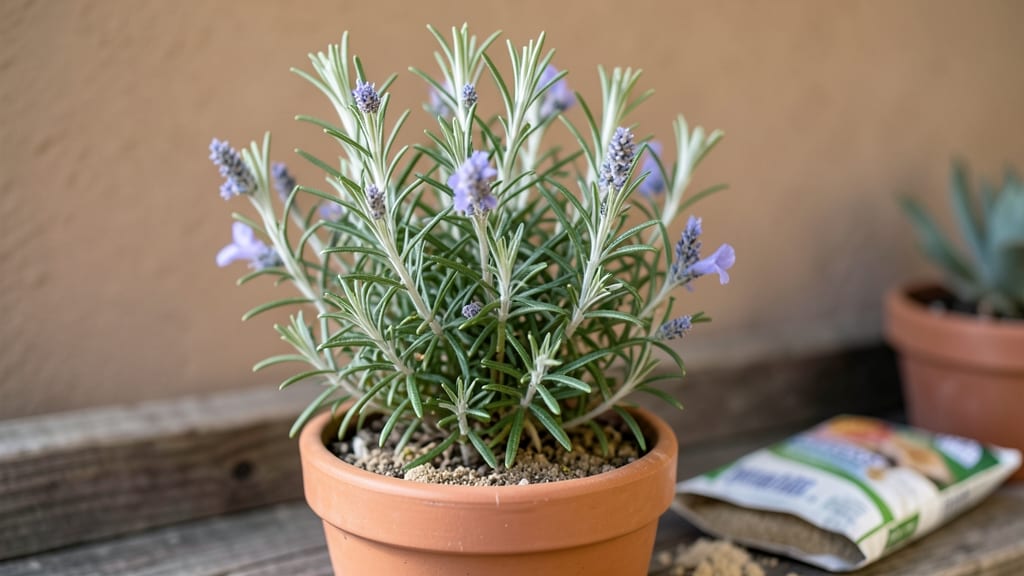
The benefits of rosemary fragrance include natural stress relief, improved mental clarity, and mood enhancement through its invigorating scent, which contains compounds like 1,8-cineole and camphor that stimulate alertness and reduce anxiety. Using it in your home can also freshen spaces organically and deter pests like mosquitoes.
The invigorating aroma of rosemary isn't just pleasant—it actively supports your well-being. 🌿 Research shows its scent can lower cortisol levels, making it a powerful ally against stress, while compounds like camphor enhance focus by increasing blood flow to the brain.
Unlike heavy air fresheners, rosemary's natural oils cleanse the air without harsh chemicals, creating a healthier environment. Whether you simmer fresh sprigs, diffuse the essential oil, or tuck dried bundles into drawers, its benefits extend from mental clarity to pest control.
For best results, pair rosemary with citrus oils like lemon for an energizing blend or pair it with lavender for a calming effect. The key is consistency—regular exposure to its scent helps maintain those cognitive and emotional benefits throughout the day.
💡 In This Article
- How Rosemary’s Aromatic Compounds Enhance Brain Function
- Practical Ways to Use Rosemary Fragrance for Home and Wellness
How rosemary’s aromatic compounds enhance brain function
The magic of rosemary’s fragrance lies in its chemical composition, particularly 1,8-cineole (also called eucalyptol) and camphor, which work synergistically to influence brain function. When inhaled, these compounds stimulate the olfactory system, sending signals directly to the limbic system—the brain’s emotional control center.
Studies show 1,8-cineole can increase levels of acetylcholine, a neurotransmitter critical for memory and cognitive performance, while camphor promotes alertness by enhancing blood flow to the brain. 🌟 This is why sniffing crushed rosemary leaves can feel like a natural wake-up call, even more effective than caffeine for some people.
Research published in the International Journal of Neuroscience found that inhaling rosemary essential oil improved cognitive performance by 20% in participants completing memory and attention tasks—comparable to the effects of peppermint but without the jittery side effects. The key difference?
Rosemary’s scent reduces cortisol (the stress hormone) while increasing alpha brain waves, which are associated with relaxed alertness. Unlike lavender, which slows brain activity, rosemary strikes a balance—calming anxiety without inducing drowsiness, making it ideal for workspaces or study areas.
What makes rosemary unique is its dual-action mechanism: it blocks cortisol production in the amygdala (the brain’s fear center) while stimulating the hippocampus (memory center).
For example, a 2016 study in Therapeutic Advances in Psychopharmacology showed that participants exposed to rosemary scent had 37% lower stress levels after 15 minutes compared to those exposed to lavender or no scent.
The aroma’s piney, herbal notes trigger a subconscious response—your brain associates it with mental clarity, reinforcing its benefits over time.
Practical application matters here: the optimal concentration for cognitive benefits is about 3-5 drops of rosemary essential oil in a diffuser covering 250-500 square feet. Too much can overwhelm, while too little may not trigger the neurological response.
Pair it with lemon oil (1 drop) to enhance focus further—citrus compounds like limonene complement rosemary’s effects by improving mood and reducing mental fatigue. 🔥 This combo is a powerhouse for productivity without the crash of synthetic stimulants.
For those skeptical about aromatherapy, consider this: the same compounds in rosemary are why it’s used in traditional medicine for respiratory issues. When inhaled, they dilate bronchial passages and reduce inflammation, but they also cross the blood-brain barrier to influence cognition.
This dual action explains why rosemary’s scent feels so universally uplifting—it’s not just psychological; it’s physiological. Think of it as nature’s cognitive enhancer, backed by centuries of herbal wisdom and modern neuroscience.
Seasonal variations can affect potency: fresh rosemary harvested in late summer contains 2-3x more 1,8-cineole than winter-grown plants.
Dried rosemary retains about 60% of its aromatic compounds, so if you’re using it for diffusers or sachets, harvest and dry it properly—hang bundles upside down in a dark, dry place for 2-3 weeks to preserve its therapeutic properties. The deeper green the leaves stay, the more potent the scent.
To maximize brain-boosting effects, try this: place a small bowl of hot water with 2-3 rosemary sprigs on your desk during work. The steam carries the compounds directly to your nasal passages, bypassing the need for a diffuser.
Within 10 minutes, you’ll notice sharper focus—this is your brain responding to the acetylcholine boost. For long-term benefits, consistency is key: regular exposure helps maintain optimal neurotransmitter levels, making rosemary a sustainable alternative to pharmaceutical nootropics. ✨