
Light Requirements
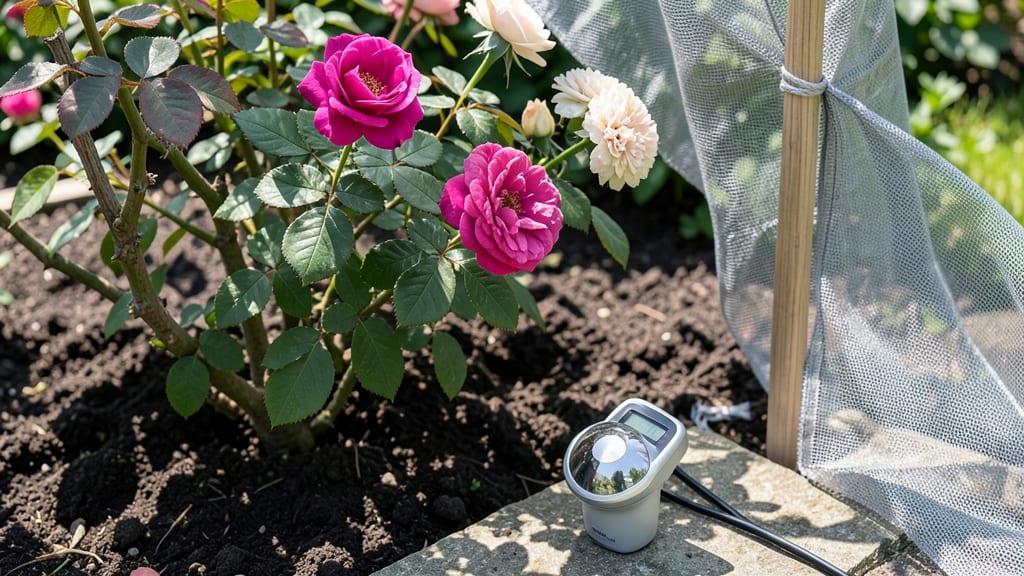
Understanding a rose’s sun requirements is key to coaxing out at least 6 hours of daily sunlight for those vibrant blooms and intoxicating fragrance.
Struggling to get your roses to bloom as vibrantly as they do in the catalog? Sunlight is the secret ingredient—yet many gardeners overlook the exact sun requirements roses demand for peak performance.
Most varieties thrive in full sun, but regional heat or shade can change the game. Hybrid teas and climbers need more light than shrub roses, and even a few hours less can mean fewer blooms or weak stems.
In this guide, I’ll break down the ideal sun exposure, how to spot sunlight problems, and tips to adjust care—whether you’re dealing with too much sun or not enough.

How many hours of sun do roses need for optimal growth?
If you've ever wondered why your roses look lackluster compared to catalog photos, the answer likely lies in their sunlight exposure.
Most rose varieties thrive with 6 to 8 hours of direct sun daily, but the exact needs depend on the type—whether it's a hybrid tea, climbing rose, or shrub rose. Without enough light, roses struggle to develop vibrant blooms, strong stems, and disease resistance.
The science is clear: sunlight fuels photosynthesis, which powers everything from leaf growth to flower production.
Many gardeners assume "full sun" means any sunny spot, but the intensity and duration of sunlight matter just as much. For example, a 6-hour window on a cloudy day provides far less energy than 6 hours of midday sun in summer.
Even partial shade can reduce bloom quality, though some varieties handle it better than others. Understanding these nuances helps you place roses where they'll flourish—whether in your backyard or a container on your patio.
| Rose Type | Sunlight Needs | Bloom Quality | Notes |
|---|---|---|---|
| Hybrid Teas | 6–8 hours | Vibrant, large blooms | Most demanding; less sun = fewer blooms |
| Climbing Roses | 6+ hours | Abundant clusters | Needs strong light for vigorous canes |
| Shrub Roses | 5–6 hours | Moderate blooms | More shade-tolerant than hybrid teas |
| English Roses | 5–7 hours | Fragrant, repeat blooms | Prefers morning sun to avoid afternoon heat |
To measure sunlight accurately, use a sunlight tracker or observe your garden between 10 AM and 4 PM—the peak sunlight hours. A spot that gets direct sun for 6+ hours qualifies as "full sun," while 3–6 hours is considered partial shade.
For example, a south-facing garden in the U.S. typically receives the most sunlight, while east or west exposures may offer shorter windows. If your yard only gets 4 hours of sun, consider container gardening near a sunny wall or using reflective mulch to boost light exposure.
Regional differences also play a role. In hot climates like Arizona or Texas, roses may benefit from afternoon shade to prevent leaf scorch, while cooler regions like the Pacific Northwest can handle more direct sun.
For instance, a hybrid tea rose in Zone 5 might need full sun, but the same variety in Zone 9 could suffer from heat stress without afternoon relief. Always match your rose variety to your local climate and microclimate conditions.
One common misconception is that partial shade means roses will still thrive with less than 5 hours of sun. While some varieties tolerate dappled shade, they often produce smaller blooms and weaker stems.
For example, Dr. Huey, a shade-tolerant rose, can handle 3–4 hours of sun, but it won’t reach its full potential without more light. If you’re working with limited sunlight, prioritize reflective surfaces like white gravel or light-colored walls to maximize indirect light.
Another key factor is the angle of the sun. In spring and fall, sunlight hits at a lower angle, providing less intensity than summer’s direct rays.
This is why roses planted in early spring may need extra care—you might need to rotate containers or prune nearby trees to ensure they get enough light as they grow. Pay attention to how shadows shift throughout the day, especially if your roses are near tall structures or other plants.
For container-grown roses, sunlight needs are even more critical because pots have limited root space and dry out faster. A 5-gallon container rose in a shady spot will struggle to develop strong roots, leading to poor blooming and increased susceptibility to pests.
If you’re growing roses in pots, place them in the sunniest location possible and use a lightweight, well-draining potting mix to compensate for the reduced soil volume.
If you’re unsure whether your roses are getting enough sun, watch for tell-tale signs. Leaves turning yellow or stems growing weak and leggy are classic indicators of sun deprivation. On the flip side, wilting or crispy leaves signal too much sun, especially in hot climates.
Balancing sunlight is an art—aim for 6+ hours of bright, direct light while protecting roses from extreme heat or harsh afternoon rays when needed.
Pro tip: If your garden lacks natural sunlight, consider supplemental grow lights for container roses. A full-spectrum LED grow light placed 12–18 inches above the plant for 12–14 hours daily can mimic sunlight and encourage blooming.
This is especially useful for indoor roses or those in north-facing gardens with minimal sun exposure.
In summary, roses are sun lovers—most need 6+ hours of direct
Signs your roses aren’t getting enough sun (and how to fix it)
Your roses might look healthy at first glance, but if they’re not getting enough sunlight, their growth and blooms will suffer. Sun-deprived roses often show subtle signs that many gardeners miss—like weak stems or pale leaves—that can lead to fewer flowers and leggy plants.
I’ve seen this happen with my own hybrid tea roses, where the promise of vibrant blooms fades into disappointment when sunlight is lacking.
Roses thrive with 6+ hours of direct sunlight daily, but even partial shade can trick you into thinking they’re happy. The truth? Without adequate light, roses struggle to produce the energy needed for robust growth and abundant blooms.
If you’ve noticed your roses producing small, sparse blooms or stretching awkwardly toward the light, it’s time to take action.
Roses need 6+ hours of full sun to prevent these common issues:
- Leggy stems (reaching for light)
- Pale, yellowing leaves (chlorosis)
- Fewer blooms (or no blooms at all)
- Weak, floppy growth (poor structure)
If you see 3+ of these signs, your roses are likely sun-starved. Fix it now to restore vigor and blooms!
One of the first signs of sun deprivation is stunted growth. When roses don’t get enough light, they focus energy on growing taller and thinner rather than producing strong stems and lush foliage.
My climbing roses used to struggle with this—until I moved them to a south-facing wall where they could soak up morning sun. The difference was dramatic within weeks.
Another red flag is sparse or weak blooms. Roses deprived of sunlight often produce smaller flowers with fewer petals or fail to bloom altogether. If your roses are putting out buds but they’re underwhelming in size or color, it’s a clear cry for more light.
Even my grandiflora roses, which are typically prolific bloomers, can become lackluster when sunlight is limited.
To fix these issues, start by relocating your roses to a sunnier spot. If your garden lacks full sun, consider using reflective surfaces like white gravel or mirrors to bounce extra light onto the plants.
For indoor roses or those in shaded areas, grow lights can be a game-changer—just 4-6 hours of supplemental light can make a huge difference.
Pruning can also help. By thinning out dense foliage, you allow more light to reach the inner stems and encourage bushier growth. I prune my roses in early spring, cutting back one-third of the previous year’s growth to open up the plant and improve airflow and sunlight penetration.
Combine this with regular deadheading to redirect energy toward new blooms rather than seed production.
If you’re dealing with shade-loving rose varieties, like Dr. Huey or Double Delight, you’ll still need to maximize light exposure. Use light-colored mulch to reflect sunlight onto the soil and roots, and avoid overcrowding plants that could block light.
With these adjustments, even shade-tolerant roses can thrive and produce stunning blooms.