
Pruning
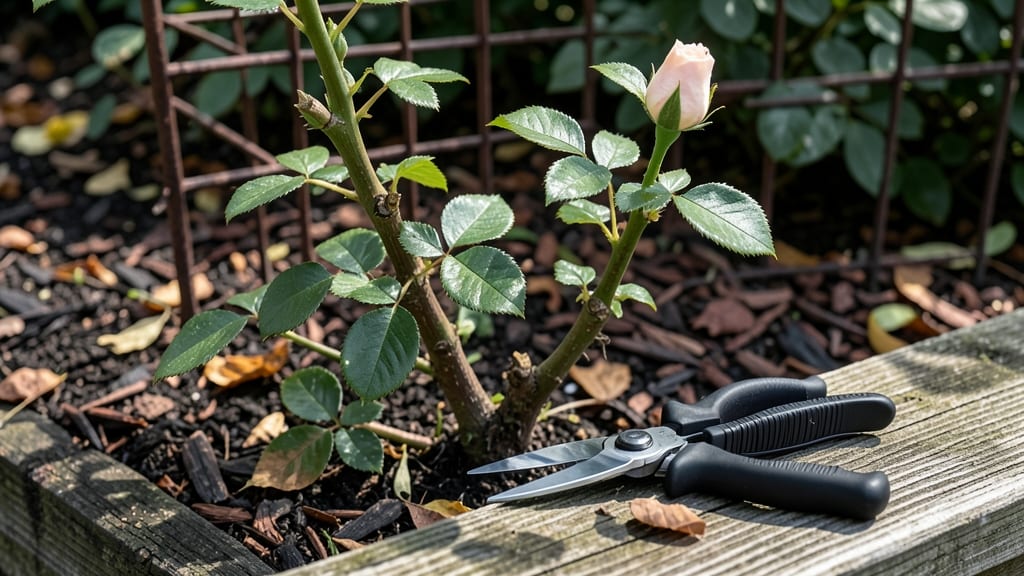
Pruning rose bushes at the right time of year ensures healthy blooms and strong growth—whether you’re in a cold northern zone or a mild southern climate.
Picture this: You’ve just spent hours shaping your 🌹 rose bush, only to watch it struggle through the season because you pruned too late. The difference between a lush, flowering plant and a weak, disease-prone one often comes down to timing—and it’s not as simple as "spring" or "fall."
In colder zones like 6a, late winter or early spring (before buds swell) is ideal, while warmer regions can prune into early summer for repeat bloomers. But get it wrong, and you risk stunted growth, fewer flowers, or even inviting pests.
Below, I’ll break down the exact months for your zone, plus tools and safety tips to keep your roses thriving.
You’ll learn how to time pruning for peak blooms, avoid common mistakes, and adapt for hybrid teas or climbing varieties—so your roses stay vibrant and disease-free all season.
Best pruning times by USDA hardiness Zones: a month-by-month guide
Timing your rose bush pruning isn't just about grabbing your pruning shears—it's a climate-dependent task that determines whether your roses will burst with vibrant blooms or struggle to recover. In USDA Zones 3–10, the ideal pruning window shifts dramatically, from late winter's dormancy to early spring's awakening.
For example, Zone 3 gardeners must prune earlier to avoid frost damage, while Zone 10's mild winters allow for more flexible scheduling.
Your rose type also plays a crucial role: spring-blooming roses like David Austin varieties need pruning in late winter/early spring, while repeat-bloomers (such as Knock Out roses) get a second pruning in summer.
Even climbing roses have unique timing needs—pruning too late can reduce next year's flowering potential. Let's break down the month-by-month schedule tailored to your zone.
Why timing matters: Pruning at the wrong time can stress your roses, expose them to disease, or even kill new growth before it starts. For instance, pruning too early in Zone 5 risks frost damage, while pruning too late in Zone 9 delays the blooming season. The key is aligning your cuts with your local climate and rose variety.
In Zones 3–5, where winters are harsh, prune late February to mid-March—just as dormancy ends but before new growth begins. This timing ensures your roses aren’t stressed by late frosts or freezing temperatures.
For spring-blooming varieties, aim to finish pruning by mid-April to avoid cutting off next year's flower buds, which form in late summer.
Gardeners in Zones 6–7 have a slightly longer window, typically mid-March to early April.
Here, the goal is to prune before buds swell (around 1/2-inch long) but after the worst winter cold has passed. Repeat-bloomers like Knock Out roses get a second pruning in late summer (after the June blooms fade) to encourage fall flowers.
For Zones 8–9, where winters are mild, prune in January–February to stimulate early growth.
This timing also helps avoid fungal diseases that thrive in warm, wet winters. Climbing roses in these zones benefit from light pruning in late winter to shape canes without sacrificing next year's bloom production.
Zone 10 is unique because its mild winters allow for year-round growth. Prune lightly in November–December to tidy up but avoid heavy cuts that could stimulate tender new growth vulnerable to cold snaps. Summer pruning is critical for repeat-bloomers to maintain shape and encourage continuous flowers.
Pro tip: Always use sterilized shears and make cuts at a 45-degree angle, about 1/4-inch above a bud facing outward. This promotes airflow and reduces disease risk. After pruning, apply a layer of mulch to protect roots and retain moisture during the critical early growing season. 🌹
One common mistake is pruning too late in spring, which can delay blooming or weaken stems. Another is over-pruning, which removes too many flower buds. To avoid this, never cut back more than
5 Critical pruning mistakes that kill rose bushes (and how to avoid them)
Pruning your rose bushes can transform them from tangled messes into vibrant, blooming stars—but only if you do it right. One wrong move, and you’ll stunt growth, invite disease, or even kill your plant.
I’ve seen over-pruning turn lush roses into sad, skeletal branches, and wrong-angle cuts leave wounds that never heal. Let’s fix these mistakes before your next pruning session.
Even experienced gardeners make these errors, but the good news? Each mistake has a simple fix. For example, cutting at the wrong angle (flat instead of slanted) can trap water, causing rot.
Or pruning too late in the season leaves roses vulnerable to frost damage. I’ll walk you through the exact corrections, including the 5-leaf rule for where to make your cuts.
⚠️ When to Prune Rose Bushes: The Golden Rule
Prune spring-blooming roses in late winter/early spring (just before new growth starts). For repeat-bloomers, do a light prune in summer after the first flush of flowers. Never prune in fall—it stresses the plant before winter dormancy.
Mistake #1: Pruning at the wrong time of year. Many gardeners wait until summer to tidy up, but this is a disaster. Roses need time to heal wounds before winter.
In USDA Zones 3-7, aim for February-March (before buds swell). In milder zones (8-10), prune in late winter but avoid late spring—new growth won’t harden off for winter.
Mistake #2: Cutting stems at the wrong angle. A flat cut leaves a stub that collects water and invites disease. Instead, make a 45-degree angle, ¼ inch above an outward-facing bud.
Pro tip: Always cut above a bud that faces the outside of the plant. This encourages outward growth and better air circulation.
Mistake #3: Removing too many stems at once. Never cut more than ⅓ of the plant’s growth in a single session. Over-pruning shocks roses, leading to weak growth or no blooms.
If your rose looks bare after pruning, you’ve gone too far. Start with 2-3 main stems and reassess next year.
Mistake #4: Ignoring the 5-leaf rule. For repeat-blooming roses, cut back to a 5-leaf cluster above the desired bud. This ensures the plant retains enough energy to produce new blooms. For once-blooming varieties, prune harder—cut to 3-4 buds—but only in late winter.
Mistake #5: Using dull or dirty tools. Jagged cuts tear plant tissue, creating open wounds that attract pests. Always use sharp, sterilized pruners. Clean blades with rubbing alcohol between cuts, and oil them after pruning to prevent rust. A clean cut heals faster and looks professional.