
Shrubs
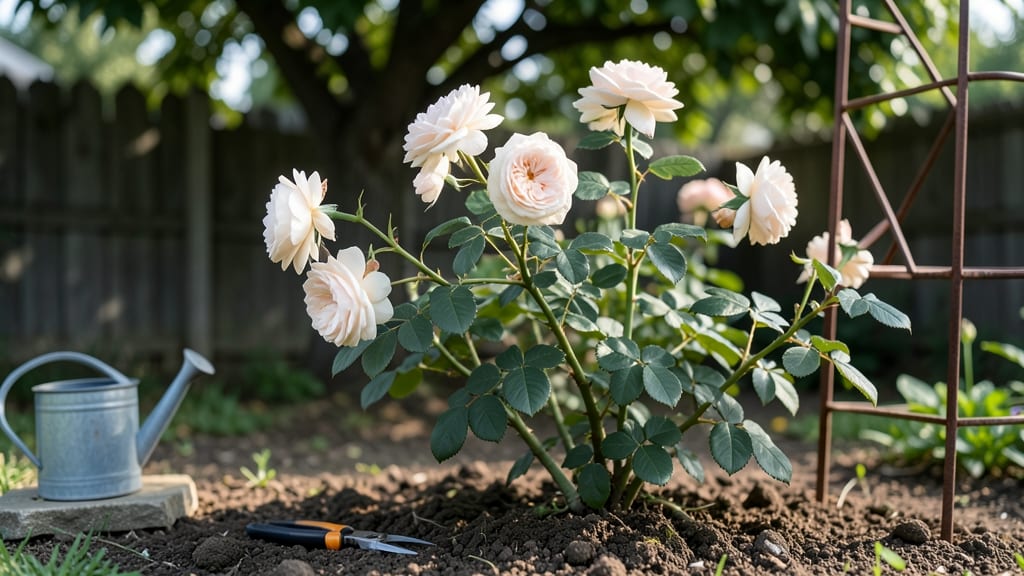
In Rose Moonlight in Paris, gardens shimmer with roses that perfume the air like a secret—pale pinks, creamy whites, and soft blush tones that catch the evening light. These aren’t just plants; they’re living lanterns that transform your garden into a romantic stage when the sun sets.
Start with disease-resistant climbers like 'Blanc Double de Coubert' or 'Souvenir de la Malmaison'—they thrive in temperate climates and bloom from early summer through frost. Pair them with silver foliage plants (like lamb’s ear or dusty miller) to reflect moonlight and enhance the dreamy glow.
Add scented night-blooming flowers such as night-scented stock or evening primrose to deepen the fragrance as dusk falls.
Strategic lighting makes all the difference: solar-powered uplights tucked among bushes cast soft shadows, while candle-style lanterns along pathways create intimate pools of light. Mulch with light-colored gravel to keep roots cool and reflect ambient glow.
With proper pruning—cutting back in late winter—your roses will burst into lush, repeat blooms all season long, turning every evening into a Parisian escape.
This design works year-round in USDA Zones 5-9, with evergreen shrubs like boxwood or holly keeping structure through winter. The secret? Layered planting—tall roses at the back, medium shrubs in the middle, and low-growing perennials in front.
Even in colder zones, the right varieties (like 'The Fairy') will reward you with frost-resistant blooms that stay stunning through the season.
📚 In This Guide
- What you need
- Instructions
- Tips and common mistakes
- Wrapping up and next steps
What you need
- ● Rose bushes: 3-5 Rosa 'Souvenir de la Malmaison' (a classic French rose) or Rosa 'Zephirine Drouhin' (climbing variety). Ensure they’re disease-resistant and in full bloom.
- ● Potting soil: 10-15 lbs of well-draining, nutrient-rich soil (mix organic compost with perlite for aeration).
- ● Containers: 2-3 terracotta pots (12-16 inches in diameter) or a large wooden planter box for a rustic Parisian look.
- ● Slow-release fertilizer: 1 lb of organic rose fertilizer (e.g., Espoma Rose-Tone).
- ● Mulch: 2-3 bags of cedar chips or bark mulch to retain moisture and suppress weeds.
- ● Pruning shears: 1 pair of sharp, sterilized shears (for shaping and harvesting blooms).
- ● Watering can: 1 gallon-sized can with a rose (to avoid disturbing soil).
- ● Moonlight-inspired decor: Fairy lights (2-3 strings of warm white or amber LEDs).
- ● Lace or chiffon fabric (for draping over pots or creating a dreamy backdrop).
- ● Small mirrors or mercury glass (to reflect light and enhance the "moonlit" effect).
- ● Fragrance boosters: Add a few drops of rose absolute oil to the soil or use a diffuser nearby for an extra whiff of Parisian charm.
- ● Companion plants: Plant lavender or jasmine nearby to complement the rose’s scent.
- ● French-inspired accents: Miniature Eiffel Tower figurines, vintage books, or a small wrought-iron trellis for a storybook touch.
- ● Automated lighting: A solar-powered timer for fairy lights to mimic twilight hours.
Instructions for cultivating a moonlit rose garden
Creating a fragrant twilight garden begins with choosing the right roses and designing for evening scent release.
Select Nocturnal-Fragrant Rose Varieties
Choose roses specifically bred for evening fragrance, like 'Moonlight' or 'Evening Fragrance' varieties. These release their most intense scent after sunset, perfect for twilight enjoyment. I recommend selecting 4-6 climbing varieties for vertical interest and 2-3 bush types for ground coverage. The key is to plant at least three different fragrance profiles—citrus, spice, and floral—to create a layered scent experience.
Check each plant's bloom time—some roses flower continuously, while others bloom seasonally. For a Parisian-inspired garden, prioritize roses that bloom in late spring through summer, ensuring fragrance throughout the evening hours. Avoid hybrid teas unless they're specifically labeled for evening fragrance, as many lose their scent after dark.
Design for Twilight Lighting and Scent Release
Position your roses where they'll receive at least 6 hours of sunlight daily but also benefit from reflected light during twilight. In Parisian gardens, this often means planting near light-colored walls or pathways that reflect ambient light. I like to arrange roses in semi-circular patterns around seating areas so the fragrance carries naturally toward guests.
Incorporate low-growing fragrant plants like lavender or jasmine at the base of roses to create a layered scent effect. These ground covers release their own evening fragrance, enhancing the overall experience. Place scented climbers near windows or patios where evening breezes will carry their aroma indoors.
Plant with Evening-Blooming Support Plants
Complement your roses with night-blooming plants that extend the garden's evening appeal. I typically add 4-6 evening-scented stocks and 2-3 night-blooming jasmine vines to each planting area. These plants not only enhance fragrance but also attract nocturnal pollinators that support rose health.
When planting, bury the graft union 2 inches below soil level to encourage stronger root development. Space roses 3-4 feet apart for bush varieties and 4-6 feet apart for climbers, allowing room for both plant growth and evening breeze circulation. Water deeply after planting, ensuring the soil is evenly moist to a depth of 12 inches—this prevents air pockets that could stress new roots.
Establish Twilight Watering and Maintenance Routine
Water roses deeply in the evening just before sunset to encourage overnight hydration and fragrance release. I use a soaker hose set to deliver 1-2 gallons per plant over 30 minutes, which prevents leaf wetness that can lead to fungal issues. The key is to water only when the top 2 inches of soil feel dry—overwatering in the evening can dilute fragrance intensity.
Mulch heavily with 3-4 inches of organic mulch to retain soil moisture and regulate temperature. I prefer cedar chips because they resist decomposition and maintain a clean appearance. Prune lightly in late summer to remove spent blooms and encourage new growth that will carry fragrance into the evening hours. Avoid heavy pruning after mid-summer, as this can reduce fall blooming.
Enhance Evening Fragrance with Strategic Lighting
Install warm-white LED uplighting positioned to highlight roses from below, which enhances their natural beauty and makes their scent more noticeable. I recommend 2-3 fixtures per planting area, angled to cast light upward without creating glare. The warmth of the lighting also makes the garden feel more inviting during twilight hours.
Add scented candles or oil diffusers near seating areas to complement the roses' natural fragrance. Choose oils with similar notes to your roses—like jasmine, rose, or lavender—to create a cohesive sensory experience. Place these elements 10-15 feet from the roses so their scents blend naturally rather than overpowering the garden's aroma.
Tips & tricks for perfect moonlit rose garden design
Creating a fragrant evening garden takes thoughtful planning—here's how to elevate every detail for maximum impact.
Variety Selection Insight: When choosing your 4-6 climbing varieties and 2-3 bush types, prioritize roses with different bloom cycles. For example, pair a continuous bloomer like 'Moonlight' with a seasonal variety like 'Evening Fragrance' to ensure fragrance throughout summer. I've found that including at least one spice-scented rose (like 'Zéphirine Drouhin') alongside floral varieties creates that signature Parisian complexity—citrus notes from 'Louis Philippe' add a refreshing contrast.
Lighting Strategy: The 2-3 warm-white LED fixtures per planting area should be placed at ground level, angled to illuminate the roses' lower canes where new buds form. This creates dramatic vertical lighting that makes the garden appear to glow from within. For maximum fragrance visibility, position fixtures near seating areas where guests will naturally gather—this ensures the scent carries directly toward them while the lighting enhances the romantic ambiance.
Planting Depth Technique: Burying the graft union 2 inches below soil level isn't just about root development—it's about creating a stronger base for evening fragrance production. The graft union contains the plant's genetic instructions for scent production, so protecting it ensures your roses will develop their full nocturnal aroma potential. I always verify this depth by measuring from the soil surface down to where the graft union meets the rootstock.
Watering Precision: The 30-minute soaker hose session delivering 1-2 gallons per plant should be timed to finish just as twilight begins. This overnight hydration is what triggers the rose's natural fragrance release mechanism. The key is consistency—water at the same time each evening so your roses develop a predictable scent rhythm that syncs with your evening routines.
Pro Tips for Rose Moonlight In Paris
- Creating a fragrant evening garden takes thoughtful planning—here's how to elevate every detail for maximum impact.
- Variety Selection Insight: When choosing your 4-6 climbing varieties and 2-3 bush types, prioritize roses with different bloom cycles.
- Lighting Strategy: The 2-3 warm-white LED fixtures per planting area should be placed at ground level, angled to illuminate the roses' lower canes where new buds form.
Frequently asked questions
about rose moonlight in Paris—whether you're dreaming of planting your own or recreating the magic in your garden—are answered below!What’s the best time of year to plant ‘Rose Moonlight’ in Paris?
The ideal time is early spring (March–April) or fall (September–October). Paris’s mild climate allows for root establishment before extreme heat or cold. Avoid planting in winter—frost can stress young roots. Pro tip: If planting in spring, water deeply weekly until established!
How often should I water ‘Rose Moonlight’ in Paris’s climate?
Water deeply 2–3 times per week during the first growing season (spring/summer). Once established, reduce to once a week (or more in drought). Paris’s humidity helps, but avoid soggy soil—this rose prefers well-draining earth. Morning watering is best to prevent fungal issues.
Can I grow ‘Rose Moonlight’ in a container instead of the ground?
Use a 15–20 gallon pot with drainage holes and a mix of potting soil + perlite. Place in full sun (6+ hours/day) and fertilize monthly with rose-specific feed. Containers dry faster, so monitor soil moisture closely. Bonus: Move pots indoors if temps drop below 20°F (-6°C).
What pests should I watch for with ‘Rose Moonlight’ in Paris?
Common culprits include aphids, spider mites, and rose slugs. Preventative care: Spray leaves with neem oil monthly. For severe infestations, use insecticidal soap. Ladybugs are natural allies—encourage them with nearby herbs like dill or fennel!
Why aren’t my ‘Rose Moonlight’ blooms as fragrant as expected?
Fragrance fades if roses are stressed (over/under-watering, poor soil, or lack of sun). Ensure 6+ hours of sunlight daily and prune spent blooms to encourage new growth. Deadhead regularly and feed with phosphorus-rich fertilizer (like 5-10-5) to boost blooms—and their scent!
Wrapping up and next steps
Paris truly comes alive under the soft glow of rose moonlight—where every petal whispers romance and every garden tells a story. 🌹✨ Whether you’re a seasoned gardener or a dreamy beginner, cultivating these fragrant blooms connects you to the magic of the City of Light.
The key? Patience, passion, and a touch of je ne sais quoi—just like the roses themselves.
Ready to bring this enchantment to your own space? Start small: plant a single rose today, and let its scent weave your dreams into reality. À bientôt, among the roses!