
Shrubs
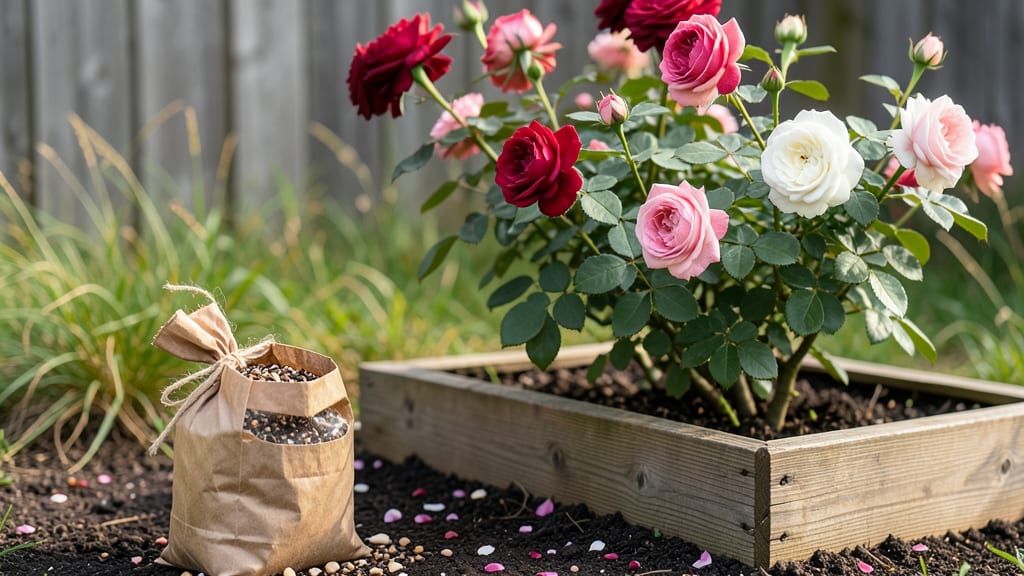
Your roses deserve better than store-bought fertilizers clogging their roots with salts. 🌹 Homemade rose food made from kitchen scraps and compost delivers nutrients roses crave—without the chemical buildup.
I’ve been feeding my climbing roses with this mix for three seasons, and the difference in bloom size and fragrance is shocking. The secret lies in combining banana peels for potassium, crushed eggshells for calcium, and coffee grounds for nitrogen.
These ingredients break down slowly, feeding roots all season while improving soil structure. Unlike commercial fertilizers, they won’t burn tender rose roots or disrupt the soil’s natural balance. By mid-summer, you’ll see thicker canes, deeper green foliage, and blooms that last weeks longer.
The fragrance? So intense your neighbors will ask what you’re spraying. Best of all, it costs pennies per gallon and takes 15 minutes to mix. This method works for all rose types—hybrids, climbers, even heirlooms—and pairs perfectly with organic gardening principles. Let’s get those roses thriving naturally.
📚 In This Guide
- What you need
- Instructions
- Tips and common mistakes
- Wrapping up and next steps
What you need
- ● Fresh rose petals – 1 cup (ensure they’re pesticide-free and organic; use light pink or white varieties for the best flavor and aroma).
- ● Granulated sugar – ½ cup (adjust to taste; white or raw sugar works best).
- ● Distilled water – 1 cup (or high-quality vodka for a longer shelf life—½ cup water + ½ cup vodka).
- ● Glass jar with lid – 16 oz (quart-sized) (sterilized to prevent contamination).
- ● Fine-mesh strainer or cheesecloth (for filtering out petals).
- ● Wooden spoon or silicone spatula (for gentle mixing).
- ● Citrus zest – 1 tsp lemon or orange zest (adds brightness to the infusion).
- ● Vanilla extract – ½ tsp (deepens the floral notes).
- ● Rose water – 1 tsp (intensifies the aroma for cocktails).
- ● Honey or agave – ¼ cup (for a vegan or lower-glycemic alternative to sugar).
- ● Dried rose petals – ¼ cup (if fresh petals aren’t available; use food-grade only!).
- ● A clean workspace (sanitize surfaces to avoid contamination).
- ● Patience – Let the infusion steep for at least 24 hours (up to 1 week for deeper flavor).
- ● Storage plan – Keep in a cool, dark place (refrigerator extends shelf life to 6 months).
Step-by-Step guide to making homemade rose petal infusions
This is how I create fragrant, food-safe rose infusions using fresh petals—no store-bought syrups required.
🌿 Step 1: Harvest and Prepare Rose Petals
Pick petals from organic roses in the morning after dew has dried, when their oils are most potent. Avoid petals sprayed with pesticides—they’ll taint your infusion. I like to use 1 cup of fresh petals for every 2 cups of water in the recipe. Gently rinse petals under cool water to remove any debris, then pat them completely dry with a clean towel.
Here's the thing—only use petals from fully opened roses. Buds and partially opened blooms contain bitter compounds that ruin the delicate flavor. Once dried, petals lose their scent quickly, so work with them within 24 hours of harvesting. If you can't use them fresh, spread them on a wire rack in a dry, dark place for 1-2 days until completely crisp before storing in an airtight container.
💧 Step 2: Create the Infusion Base
Combine the petals with 2 cups of filtered water in a clean glass jar. I use filtered water because chlorine can dull the rose's natural aroma. For a stronger infusion, add ½ cup of raw honey—this acts as a natural preservative and enhances the floral notes. Seal the jar tightly and place it in a spot that gets indirect sunlight for 3-5 days.
Stir the mixture gently once daily to distribute the petals evenly. You'll see the water take on a pale pink hue within 24 hours, and the scent will fill the room. If you notice mold or an off smell, discard the batch immediately—this means the petals weren't clean or dry enough. The longer it steeps, the more concentrated the flavor becomes, but 5 days is the sweet spot before bitterness develops.
☀️ Step 3: Strain and Store the Infusion
After steeping, strain the mixture through a fine-mesh sieve or cheesecloth into a clean glass bottle. Press the petals gently to extract every last drop of liquid. Discard the spent petals—they’re too bitter for anything but compost. The resulting infusion should be a vibrant pink with a delicate, sweet aroma. For a smoother texture, you can blend it briefly in a food processor to break down any remaining petal fragments.
Store the infusion in the refrigerator for up to 2 weeks. If you want to extend its shelf life, add 1 teaspoon of high-proof vodka per cup of infusion before storing—this preserves the flavor for up to 3 months. Label the bottle with the date so you know when it’s time to make a fresh batch. The infusion thickens slightly when refrigerated, so give it a gentle shake before using to restore its consistency.
✂️ Step 4: Use in Cocktails and Baking
For cocktails, use 1-2 teaspoons of infusion per drink. I love adding it to sparkling water with a squeeze of lemon for a refreshing mocktail, or mixing it into gin-based spritzers. In baking, reduce the infusion by ¼ cup per 1 cup of liquid in recipes—it’s stronger than you’d expect. Try it in shortbread cookies or vanilla custards for a subtle floral twist. Always taste as you go; the infusion’s potency varies depending on how long you steeped it.
Real talk: this infusion works best in delicate dishes. Avoid using it in strong-flavored recipes like chocolate desserts or spicy dishes—the rose flavor will compete instead of complement. If you’re unsure, start with ½ teaspoon in a small batch to test the flavor balance. The infusion also makes a lovely garnish for savory dishes like lamb or goat cheese platters, where its floral notes add an unexpected elegance.
Tips & tricks for perfect homemade rose petal infusions
Between us, these little details make all the difference between a subtle floral note and a bitter disappointment. Here's what I've learned after making this infusion dozens of times.
Petal Selection Tip: The quality of your petals determines everything. Beyond using fully opened roses, look for petals with a deep, vibrant pink hue—they contain the most aromatic oils. Avoid yellowing or wilted petals, and never use petals from roses treated with chemical fertilizers. I've ruined batches with less-than-fresh petals, and you'll know immediately when you taste the infusion—it lacks that delicate, sweet aroma.
Steeping Strategy: That 3-5 day steeping window in Step 2 is your flavor sweet spot, but here's the thing—temperature matters. If your kitchen stays above 75°F, reduce steeping to 3 days to prevent bitterness. In cooler kitchens (below 70°F), extend to 5 days. Stirring once daily isn't optional—it ensures even extraction of those floral compounds. I set a phone reminder because I've forgotten more times than I'd like to admit.
Storage Wisdom: The vodka addition in Step 3 isn't just about shelf life—it also helps preserve the vibrant pink color. For the best results, use a clear glass bottle so you can monitor the color. If you notice any cloudiness or sediment after adding vodka, strain again through cheesecloth before storing. And here's a pro move: freeze the infusion in ice cube trays for precise measurements in cocktails—just thaw overnight in the fridge before using.
Pro Tips for Rose Food Homemade
- Between us, these little details make all the difference between a subtle floral note and a bitter disappointment.
- Petal Selection Tip: The quality of your petals determines everything.
- Steeping Strategy: That 3-5 day steeping window in Step 2 is your flavor sweet spot, but here's the thing—temperature matters.
Frequently asked questions
Can I use any rose petals, or do I need specific varieties?
Not all roses work for food! Opt for edible rose varieties like Rosa gallica (Apothecary Rose), Rosa damascena (Damask Rose), or Rosa centifolia (Cabbage Rose). Avoid hybrid teas or roses sprayed with pesticides—always choose organic, pesticide-free petals for safety. Pro tip: Look for petals with a delicate, sweet fragrance—they’re your best bet!
How long does homemade rose food last, and how should I store it?
Store your rose food in a clean, airtight glass jar in the fridge for up to 3 months. For longer shelf life (up to 6 months), freeze it in ice cube trays or small jars. Always use a sterilized spoon to avoid contamination. Note: The flavor intensifies over time, so taste before using!
Can I substitute rose water or rose syrup instead of making rose food?
If you’re short on time, rose water (1 tsp per ½ cup liquid) or rose syrup (store-bought or homemade) work in a pinch. However, rose food offers a deeper, more complex flavor because it infuses both petals and vinegar. For cocktails, rose food adds a bold, floral tang—perfect for gin-based drinks like the Rose’s Gin Fizz!
What should I do if my rose food smells bad or grows mold?
If your rose food develops an off smell or mold, it’s time to toss it—never consume spoiled infusions. To prevent this, ensure your petals are completely dry before steeping, use fresh vinegar, and store it properly. Signs of spoilage: sour odor, fuzzy mold, or a yeasty taste. When in doubt, trust your nose!
How can I use rose food in baking besides cocktails?
Rose food shines in desserts and savory dishes too! Try it in:
- Glazes for cakes or pastries (reduce 1 tbsp rose food with ½ cup sugar for a fragrant drizzle).
- Custards or panna cotta (add 1 tsp per cup of cream for a floral twist).
- Marinades for grilled chicken or lamb (pairs beautifully with garlic and lemon).
- Iced tea or lemonade (1 tsp per pitcher for a delicate aroma).
Start with small amounts—rose food is potent!
Wrapping up and next steps
Creating your own rose food homemade infusions is a rewarding way to add delicate floral notes to cocktails, desserts, and savory dishes! With just a few simple ingredients—like fresh or dried rose petals, sugar, and a splash of vinegar or alcohol—you can craft fragrant syrups, shrubs, and even rose-infused honey.
The best part? These creations are far more flavorful than store-bought alternatives and let you control quality and sweetness.
Ready to elevate your cooking and mixology? Start by experimenting with small batches—pick your favorite recipe and let your taste buds guide you. Whether you’re garnishing a sparkling drink or baking a showstopping dessert, your homemade rose-infused treats will leave everyone asking for seconds! 🌹✨