
Pruning
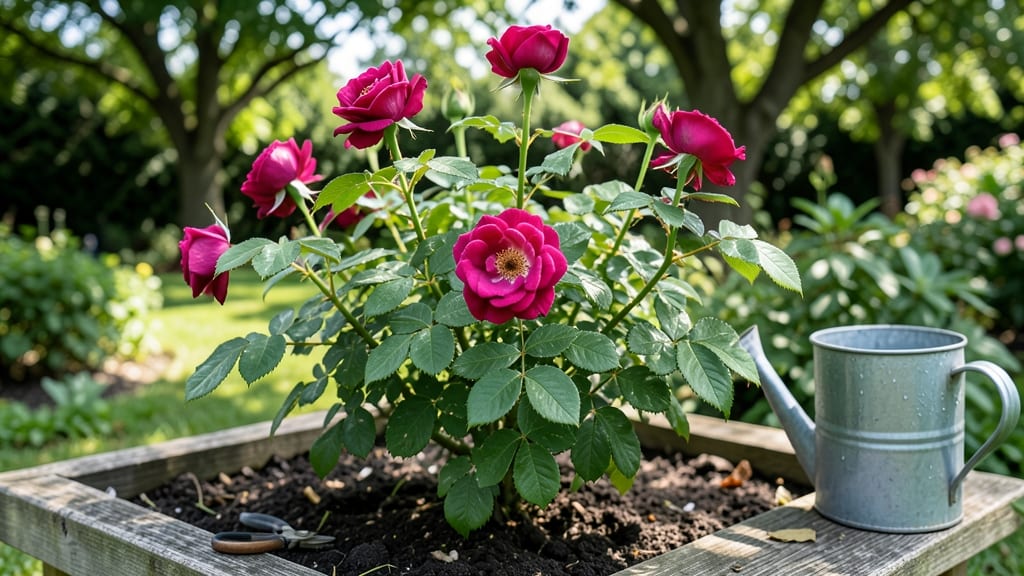
Six hours of sunlight daily turns your rose bush into a blooming powerhouse. 🌞 I learned the hard way that partial shade means fewer flowers and more leggy stems—until I moved my roses to the south-facing spot where they now produce three times the blooms.
Sunlight isn’t just about placement; it’s about timing, exposure, and even how you prune to keep those canes reaching for the light.
The ideal location depends on your climate, but most roses thrive with full sun—that means 6+ hours of direct light per day. In hotter zones, afternoon shade helps prevent scorched leaves, but morning sun is non-negotiable for strong growth.
My Knock Out roses in Zone 6 get morning sun and afternoon shade, and they bloom from spring until frost without wilting.
You’ll notice the difference within weeks: darker green leaves, sturdier canes, and clusters of buds that never form. The key is balancing sun with proper watering—deep soaks in the morning keep roots hydrated without inviting fungal issues. Mulch helps retain moisture while keeping roots cool during peak heat.
Winter changes the game. Evergreen roses need winter sun to prevent dieback, while deciduous varieties can handle more shade when dormant. Avoid planting near trees or structures that cast long shadows—your roses will thank you with longer bloom seasons and fewer pests.
Here’s how to get it right the first time.
📚 In This Guide
- What you need
- Instructions
- Tips and common mistakes
- Wrapping up and next steps
What you need
- ● Rose bush: Choose disease-resistant varieties like Knock Out® or David Austin English roses (1-3 plants, depending on space).
- ● Well-draining soil: 5-10 bags of compost or potting mix (for planting or amending soil).
- ● Fertilizer: 1 bag of balanced rose fertilizer (10-10-10 or similar) or organic options like fish emulsion.
- ● Mulch: 2-3 bags of wood chips or straw to retain moisture and regulate temperature.
- ● Watering can or hose: With a gentle spray nozzle (5+ gallons capacity).
- ● Pruning shears: Bypass pruners (sharp, clean, and sterilized with rubbing alcohol).
- ● Gloves: Heavy-duty gardening gloves to protect from thorns.
- ● Stakes or supports: 3-4 bamboo stakes (5-6 ft tall) or rose trellises for climbing varieties.
- ○ Sunlight meter: Optional but helpful for measuring light intensity (1200-1500 foot-candles ideal for roses).
- ● Shade cloth: Lightweight 30-50% shade fabric (for afternoon sun protection in hot climates).
- ● Soil pH tester: To ensure soil pH is between 6.0-6.5 (roses thrive in slightly acidic soil).
- ● Epsom salt: 1 lb for occasional magnesium boost (dissolve 1 tbsp in gallon of water, spray foliage).
- ● Plant ties: Soft fabric or Velcro ties to secure roses to stakes without damaging stems.
- ● Drip irrigation kit: For automated watering (especially useful in hot, sunny climates).
How to position your rose bush for maximum blooms
Sunlight is the secret weapon for showstopping roses—here’s how to place yours for peak performance.
☀️ Step 1: Choose the Right Spot
Roses thrive in full sun, which means at least 6-8 hours of direct sunlight daily. The best locations are south-facing or west-facing areas where the morning sun warms the bush gradually and afternoon light lingers. I always check the sunniest part of my yard by observing where shadows fall at midday—this helps pinpoint the ideal placement.
If your yard only gets partial sun, prioritize the spot with the longest exposure. Even 4-5 hours of morning sun works better than fleeting afternoon rays. Watch your roses over a week to see when they get the most consistent light—this tells you where to plant for the best results.
🌿 Step 2: Observe and Adjust Seasonally
Sun patterns change with the seasons, so roses need a little extra attention. In summer, when days are longest, your bush might get too much intense afternoon sun—especially in hot climates. If leaves start curling or turning yellow, it’s a sign of sunburn. I’ve found that a light afternoon shade (like a sheer curtain or nearby tree) prevents this without cutting off essential light.
In spring and fall, when days are shorter, roses may not get enough sun. If you notice fewer buds forming, move the bush to a sunnier location or supplement with a grow light for 4-6 hours daily. The goal is consistency—roses need steady light to set strong blooms.
✂️ Step 3: Prune for Better Light Penetration
Overgrown roses block their own sunlight, which weakens growth and reduces blooms. I always prune in late winter or early spring to open up the center of the bush. Cut back any crossing or inward-growing branches to ½ inch above an outward-facing bud. This creates a more open structure that lets light reach all parts of the plant.
Thin out crowded canes to improve airflow and sunlight distribution. You’ll see a difference within weeks—more buds forming on the outer growth where light hits directly. Avoid heavy pruning in summer, as it stresses the plant and reduces blooming potential.
💧 Step 4: Monitor and Protect from Extreme Heat
While roses love sun, they can suffer in temperatures above 90°F. If your area gets scorching afternoons, mulch heavily around the base to keep roots cool. I use 3 inches of organic mulch to retain moisture and regulate soil temperature. Water deeply in the morning to give roots a full day to absorb moisture before the heat sets in.
Watch for signs of stress: wilted leaves that don’t recover by evening or browned edges. These are red flags that your rose needs more shade or hydration. A light spray of water on the foliage in extreme heat can also help protect leaves from sun damage.
Tips & tricks for perfect rose bush sunlight
Here's what nobody tells you about getting those blooms just right—tricks that'll make all the difference between decent and showstopping roses.
The Morning Sun Advantage: In Step 1, when choosing your spot, focus on morning sunlight first. The gentle morning rays help prevent sunburn while giving your roses the energy boost they need. I've noticed my roses bloom more prolifically when they get that gradual morning warmth—it's like their version of a good morning coffee!
Seasonal Light Adjustments: For Step 2, don't just plant and forget! In summer, if you see leaves curling or turning yellow, that's your plant screaming for relief. A simple solution is to place a sheer curtain or lightweight fabric on the west side of your rose bush during peak afternoon heat. This blocks the intense rays while still allowing plenty of light through—like giving your roses a sunhat.
Pruning Precision: When you're doing Step 3, pruning might seem intimidating, but focus on creating an open center. Cut back branches to just above an outward-facing bud—this isn't just about looks, it's about letting light reach all parts of the plant. I've seen roses that were pruned too aggressively in summer struggle to bloom, so timing matters just as much as technique.
Heat Protection Strategy: For Step 4, remember that 90°F threshold isn't just a number—it's when things start going wrong. I've learned to water deeply in the morning (before 9 AM) and use that 3 inches of mulch as a heat shield. Think of it like giving your roses a cooling blanket—the roots stay happy, and the plant can focus on blooming instead of surviving.
Pro Tips for Rose Bush Sunlight
- Here's what nobody tells you about getting those blooms just right—tricks that'll make all the difference between decent and showstopping roses.
- The Morning Sun Advantage: In Step 1, when choosing your spot, focus on morning sunlight first.
- Seasonal Light Adjustments: For Step 2, don't just plant and forget!
Frequently asked questions
Got questions about giving your rose bushes the perfect sunlight love? Here are some to help you grow stunning blooms with confidence!
How much sunlight do rose bushes really need?
Most rose bushes thrive with 6 to 8 hours of direct sunlight daily. Hybrid teas and floribundas love full sun, while climbers and some shrub roses tolerate partial shade (4+ hours). Observe your roses—wilting or sparse blooms may signal too little light, while leaf scorch suggests too much intense afternoon sun.
Can rose bushes handle morning sun vs. afternoon sun?
Morning sun is ideal for most roses—it warms the soil gently and dries dew quickly, reducing fungal risks like black spot. Afternoon sun (especially in hot climates) can stress tender varieties. For high-heat zones, provide afternoon shade with a lattice or tree to protect delicate blooms while maintaining overall light exposure.
What if my rose bush isn’t getting enough sunlight?
If your roses are light-deprived, try these fixes:
- Relocate the bush to a sunnier spot during dormancy (late fall/winter).
- Prune nearby trees/shrubs blocking light.
- Use reflective surfaces (mirrors, white walls) to bounce extra light onto the bush.
- Choose low-light-tolerant varieties like ‘Dr. Huey’ or ‘The Fairy’ for shadier areas.
Do roses need sunlight in winter?
Even in winter, roses benefit from sunlight—4+ hours of winter sun helps prevent woody stems and encourages bud formation for spring blooms. Remove heavy snow buildup on canes to avoid damage, but avoid pruning until early spring. Evergreen roses (like ‘Knock Out’) may need extra protection from cold winds but still crave light.
Can I grow roses in containers with enough sunlight?
Yes! Container roses need full sun (6+ hours) and large pots (15+ gallons) for stability. Place them on south- or west-facing patios and rotate pots monthly for even light exposure. Use lightweight, well-draining soil and fertilize regularly—container roses grow faster but dry out quicker than in-ground plants.
Wrapping up and next steps
Cultivating a thriving rose bush isn’t just about water and soil—sunlight is the secret ingredient that unlocks vibrant blooms and lush growth.
By positioning your roses in 6+ hours of direct sunlight daily and adjusting for seasonal shifts, you’ll reward yourself with healthier plants and stunning displays year after year.
Ready to see your garden transform? Start small: observe your roses’ current light exposure, make gradual adjustments, and watch the difference! And if you’re feeling ambitious, experiment with reflective surfaces or partial shade solutions to fine-tune the perfect spot. Your roses—and your green thumb—will thank you! 🌸☀️