
Pests
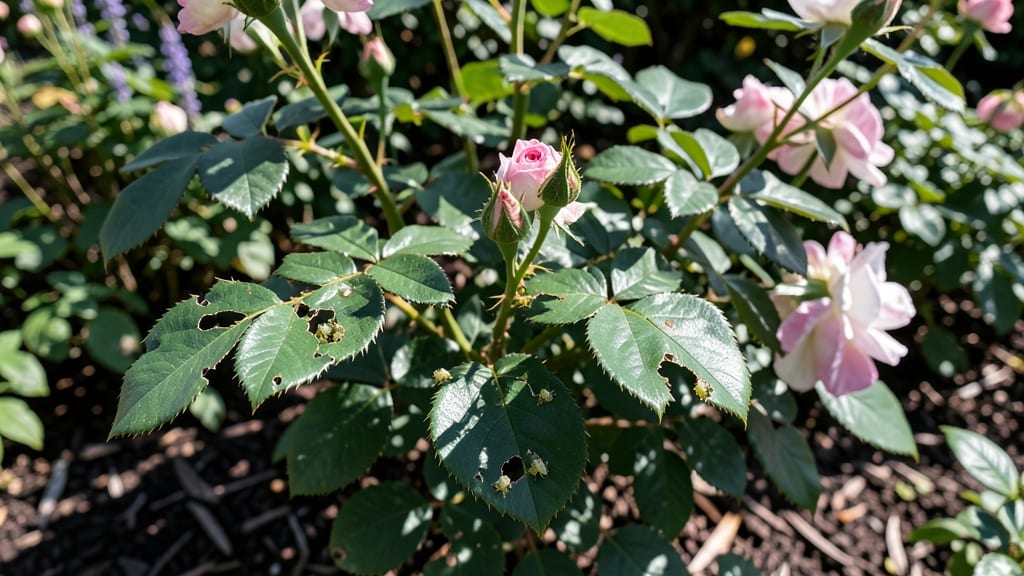
Your rose bush leaves being eaten is the fastest way to kill a gardener's enthusiasm—until you know the right organic barrier tricks. 🌹 I've lost count of the times I'd wake up to half-chewed foliage, only to discover it wasn't disease or drought, but something with teeth.
The good news? A few simple, rose-specific barriers can stop the damage in its tracks without chemicals.
Deer, rabbits, Japanese beetles, and even slugs all leave their mark differently—deer tear leaves cleanly, rabbits chew jagged edges, beetles skeletonize the foliage, and slugs leave silvery trails.
The key is matching the damage to the culprit, then using physical barriers like floating row covers for insects or chicken wire fencing for mammals. These work in hours, not days, and protect your plant's vitality while you figure out long-term solutions.
What you'll end up with is a rose bush that stays lush and healthy, with no more mysterious bite marks ruining your hard work. The barriers are easy to install—no digging, no messy sprays—and they keep working season after season.
Plus, you'll finally get to enjoy those fragrant blooms without the stress of constant damage.
Works for any rose variety, from hybrid teas to old garden roses, and adapts to different yard sizes. The secret is combining the right barrier with a little vigilance—once you see the damage, you'll spot the culprit faster next time. Let's get those leaves safe and your roses thriving again.
Common culprits behind leaf loss
When your rose bush leaves start disappearing, it’s not just a case of nature’s whims—it’s usually a deliberate snack time for hungry pests or animals. Understanding the why behind this behavior is the first step to protecting your prized plants.
Below, we break down the most common reasons your rose bush leaves are being eaten, backed by science and actionable insights.
Insects are the #1 culprits behind chewed rose bush leaves, and their feeding habits leave distinct clues. Many pests target young, tender leaves because they’re easier to digest and packed with nutrients. Here’s who’s likely munching:
- Japanese Beetles 🐞 – These metallic-green invaders skeletonize leaves, leaving a lace-like pattern. They’re most active in late June to August and can defoliate an entire bush in days if unchecked.
- Aphids 🐜 – Tiny, sap-sucking pests that cluster on undersides of leaves, causing curling and sticky residue (from honeydew). They weaken plants by robbing them of nutrients before leaves even get chewed.
- Caterpillars (e.g., Rose Slug, Sawfly) 🐛 – These fuzzy or smooth-bodied larvae devour entire leaves, often leaving behind frass (their excrement) and silken webs. Rose slug caterpillars, in particular, are voracious and can strip a bush bare overnight.
- Spider Mites 🕷️ – While they don’t chew leaves, their piercing-sucking mouthparts create stippled damage and webbing, leading to leaf drop. They thrive in dry, hot conditions.
💡 Pro Tip: Inspect leaves undersides and stems for eggs, larvae, or webbing. Early detection means faster intervention!
If the damage looks large, irregular, or overnight, you’re likely dealing with wildlife—not insects. Animals see rose bushes as a buffet, especially if other food sources are scarce. Here’s who’s probably dining:
| Pest | Damage Signs | Active Times |
|---|---|---|
| Deer 🦌 | Clean, scalloped edges on leaves; entire branches may be stripped. | Dawn/dusk; year-round in many climates. |
| Rabbits 🐇 | Leaves chewed neatly at ground level; may also gnaw bark. | Nighttime; spring/summer when vegetation is lush. |
| Squirrels 🐿️ | Holes in leaves; may also dig up bulbs or strip flower buds. | Day or night; especially in fall/winter when acorns are scarce. |
| Birds (e.g., Sparrows, Finches) 🐦 | Small, puncture-like holes; often seen perched nearby. | Daylight hours; more common in early spring. |
💡 Pro Tip: Look for footprints, droppings, or chewed stems near the base of the plant. Wildlife damage is usually larger-scale than insect damage.
Sometimes, leaves get eaten not because of pests, but because your rose bush is stressed and vulnerable. Weakened plants are easier targets for both insects and animals. Common stressors include:
- Drought Stress 💧 – Roses need 1–1.5 inches of water weekly. When soil dries out, leaves become crispy and unappetizing to pests, but the plant’s defenses drop, making it a softer target for hungry critters.
- Over-Fertilization 🌿 – Too much nitrogen = soft, tender leaves that insects love. Burnt tips or yellowing are red flags.
- Poor Soil Drainage 🌧️ – Waterlogged roots stress the plant, making it less resistant to pests. Roots suffocate in clay-heavy or compacted soil.
- Disease (e.g., Black Spot, Powdery Mildew) 🍄 – Fungal infections weaken leaves, making them easier prey for insects. Look for dark spots or white powder on foliage.
💡 Pro Tip: Healthy roses are 50% less likely to be targeted. Water deeply but infrequently, mulch to retain moisture, and prune for airflow to reduce stress.
Now that you know who’s eating your leaves and why, the next step is actionable fixes to reclaim your rose bush—without chemicals.
Quick Fixes for Chewed Rose Leaves
When your rose bush leaves are being devoured, acting fast is key! The good news is that most issues can be resolved with simple, organic methods—no harsh chemicals required. Below, we’ve mapped out targeted solutions based on the most common culprits, along with proactive steps to keep your roses thriving.
If large herbivores are the culprits, physical barriers are your best defense.
🔥 Step 1: Assess the Damage Check for clean, jagged edges on leaves—this is a classic sign of deer or rabbit grazing. Look for fresh droppings or tracks near your roses too!
🍳 Step 2: Install a Temporary Barrier
- Wire mesh fencing: Use 4-foot-tall chicken wire or hardware cloth buried 6 inches deep to block hoppers.
- Tree guards: Wrap young rose bushes in commercial tree protectors or make your own with cardboard tubes coated in petroleum jelly (animals dislike the texture).
- Repellent sprays: Mix 1 part liquid dish soap + 1 part water in a spray bottle and apply to leaves. The strong scent deters browsers.
👨🍳 Step 3: Plant Deterrent Companions Interplant roses with garlic, lavender, or rosemary—their strong aromas confuse herbivores. Marigolds also repel rabbits with their bitter taste.
⏰ Prevention Tip: 💡 Rotate barriers seasonally—deer adapt to fixed fences. Move mesh slightly each month to keep them guessing!
These metallic invaders skeletonize leaves overnight. Act within 24 hours of spotting them for best results.
🔪 Step 1: Handpick & Destroy
- Morning ritual: Shake beetles into a bucket of soapy water (1 tbsp dish soap per gallon) before they fly away.
- Drop cloth method: Lay a dark-colored sheet under the bush, then gently tap branches to dislodge beetles. Drown them immediately.
🥘 Step 2: Apply Organic Sprays
- Neem oil: Mix 2 tbsp neem oil + 1 tsp mild soap per quart of water. Spray early morning or evening (avoid direct sun). Reapply every 5–7 days.
- Kaolin clay: Sprinkle Surround WP (food-grade clay) on leaves to create a protective film beetles avoid.
🌡️ Prevention Tip: 🔥 Trap adult beetles early—place a beetle trap (with lures) 50+ feet from your roses to avoid attracting more to your garden!
These nocturnal nibblers leave silver slime trails and irregular holes. They’re most active after rain.
🍳 Step 1: Manual Removal
- Beer traps: Bury a shallow dish filled with beer (slugs drown in it). Refresh every 2 days.
- Handpicking: Use gloves and a flashlight at night to collect slugs into a bucket of soapy water.
👨🍳 Step 2: Natural Barriers
- Coffee grounds: Sprinkle used grounds around the base of the bush (caffeine repels slugs).
- Diatomaceous earth: Apply a thin layer around the plant (reapply after rain). Avoid breathing it in—wear a mask!
- Copper tape: Wrap copper wire around pots or low-hanging branches—slugs get a mild electric shock when they touch it.
✨ Prevention Tip: 🎯 Water in the morning—slugs hide during the day. Keep mulch 3 inches away from stems to reduce hiding spots.
Tiny but mighty, these sap-suckers cause yellowing, curled leaves and sticky residue (aphids). Spider mites leave fine webbing on the undersides.
🔥 Step 1: Blast Off with Water
- Strong spray: Use a hose nozzle to blast aphids from leaves. Repeat every 2–3 days until gone.
- Companion plants: Introduce ladybugs, lacewings, or parasitic wasps (order online or attract with dill or fennel).
🥘 Step 2: Soap or Oil Sprays
- Insecticidal soap: Mix 1 tbsp castile soap + 1 quart water. Spray directly on pests (avoid hot sun).
- Horticultural oil: Apply neem or canola oil in cool weather (below 85°F) to suffocate mites.
🌡️ Prevention Tip: 💡 Prune regularly—remove infested leaves immediately and compost them away from the garden to stop reinfestation.
Even after pests are gone, weak roses attract more problems. Strengthen your bush with these long-term fixes:
| Issue | Solution |
|---|---|
| Poor soil | Amend with compost + bone meal (high in phosphorus for blooms). |
| Overwatering | Water deeply 2–3x/week (early morning) and ensure good drainage. |
| Nutrient deficiency | Feed with fish emulsion (for nitrogen) or kelp meal (for micronutrients). |
| Overcrowding | Thin out suckers (shoots at the base) and deadhead spent blooms regularly. |
🎯 Pro Tip: 🔥 Rotate your methods—pests build resistance! Alternate between sprays, traps, and companion planting for a pest-free rose bush in no time.
Frequently asked questions
Why do some rose leaves get eaten while others stay untouched?
New, tender leaves are the first targets because they're packed with nutrients and easier to digest. Older, tougher leaves often remain untouched. Pests also focus on shaded or crowded areas where leaves grow slower and stay softer. Prune for better airflow to encourage tougher foliage throughout the bush.
Can I use coffee grounds to stop slug damage on roses?
Sprinkle used coffee grounds in a 1-inch ring around your rose base—the caffeine acts as a natural repellent. Refresh every 3-4 days after rain. For heavy infestations, combine with copper tape wrapped around containers or low branches. Slugs hate both the smell and the electric shock!
What's the fastest way to tell if deer are eating my rose leaves?
Look for clean, scalloped edges on leaves (not jagged like rabbits) and check for droppings shaped like small pellets. Deer also leave muddy hoof prints near damaged plants. If you see these signs at dawn/dusk, they're likely the culprits—install 4-foot wire mesh immediately.
Will neem oil work if I've already seen Japanese beetle damage?
Yes, but act quickly! Mix 2 tbsp neem oil + 1 tsp mild soap per quart of water and spray early morning or evening (avoid direct sun). Reapply every 5-7 days until beetles disappear. For existing damage, also handpick beetles into soapy water daily—they multiply fast in late June-August.
How do I know if my rose bush is too stressed to recover from leaf damage?
Check for yellowing stems, wilted canes, or blackened buds—these indicate severe stress. If you see more than 50% defoliation or bare branches, prune back damaged growth immediately and fertilize with compost + bone meal. Healthy roses bounce back, but chronic damage may require replanting in a protected location.