
Pruning
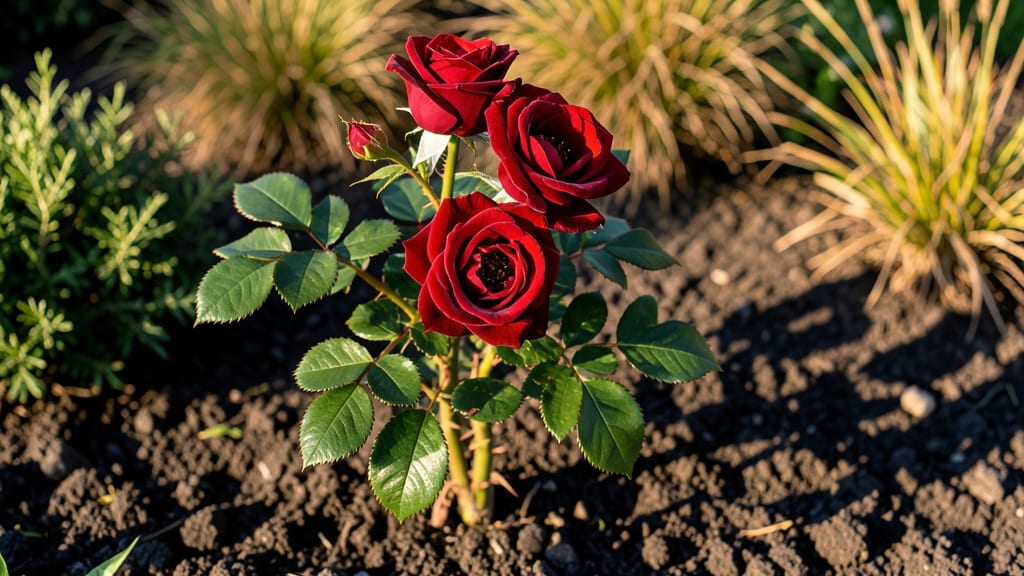
The cost of a rose bush varies significantly—bare-root varieties typically start at $5–$20, while potted roses range from $15–$50. Rare hybrids or specialty cultivars can cost $100 or more, depending on the breeder and demand.
The price you pay for a rose bush depends on more than just the variety. 🌹 Own-root roses (those not grafted) often cost less than grafted varieties, which require more care during cultivation.
Seasonal fluctuations also play a role—spring and fall sales frequently offer discounts, while limited-edition roses or those with disease resistance may carry premium pricing.
If you're on a budget, consider buying bare-root roses in winter when they're dormant and less expensive, or look for local plant swaps where gardeners exchange cuttings for free.
Another key factor is where you shop: local nurseries often provide healthier plants at fair prices, while online retailers may offer wider selections but with shipping costs. I've found that checking for disease-resistant varieties can save money long-term by reducing the need for pesticides.
For example, the Knock Out® series is popular because it's low-maintenance and widely available at mid-range prices.
💡 In This Article
- Factors That Influence Rose Bush Pricing
- Best Places to Buy Affordable Rose Bushes
Factors that influence rose bush pricing
The foundation of a rose bush's price lies in its rootstock type. Own-root roses—those grown from their own roots without grafting—typically cost $10–$30 because they're less labor-intensive to produce.
Grafted roses, however, can range from $20–$100+ since they combine a hardy rootstock with a desirable top variety, requiring specialized propagation techniques. The graft union itself adds complexity and cost, especially for hybrid teas or climbers where precision matters.
Bloom characteristics play a surprising role in pricing too. Roses with large, vibrant flowers (like the David Austin English Roses) often command premium prices—sometimes 20–30% more—because they require meticulous breeding and cultivation.
Disease resistance also factors in: varieties like Knock Out® roses, bred to resist black spot and powdery mildew, cost slightly more upfront but save money long-term by reducing chemical treatments.
Seasonal availability creates another pricing layer—spring and fall sales can drop prices by 30–50% for dormant bare-root roses compared to summer potted varieties.
Regional pricing differences create another dimension. Urban nurseries often charge 15–25% more than rural equivalents due to higher overhead, while specialty growers in rose-growing regions (like California or Oregon) may offer competitive bulk pricing.
I've noticed that local plant swaps or community garden groups sometimes provide cuttings for free, though these may take 1–2 years to establish compared to instant gratification from nursery purchases. The trade-off between immediate availability and long-term savings becomes a key decision point for budget-conscious gardeners.
Size matters in ways beyond just the plant's dimensions. A 3-gallon potted rose (typically $25–$50) is more expensive than a bare-root specimen ($10–$25) because it requires more soil, water, and greenhouse space during cultivation. The pot itself adds weight and material costs.
For example, a 5-gallon rose bush might cost $40–$80—double the price of a 1-gallon version—due to the increased growing time and resources required. This size-to-price ratio explains why gardeners often start with smaller plants and upgrade later.
Color trends and breed exclusivity create market fluctuations too. New introductions from famous breeders (like Meilland Richardier or Weeks Roses) can see initial price spikes of 50%+ before becoming more widely available.
The 2023 'Quicksand' rose, for instance, launched at $65 for a potted specimen due to its unique bark-like petals before prices dropped to $35–$45 a year later. These market dynamics make timing your purchase almost as important as choosing the right variety for your climate.
Consider this cost breakdown for a hybrid tea rose—the most popular type—where each factor compounds: a grafted, disease-resistant, large-flowered variety purchased in summer from an urban nursery could easily reach $75–$120, while the same rose bought bare-root in winter from a rural supplier might cost $25–$40.
The difference comes down to production costs, timing, and location—all variables that explain why prices vary so dramatically. 🌿