
How To
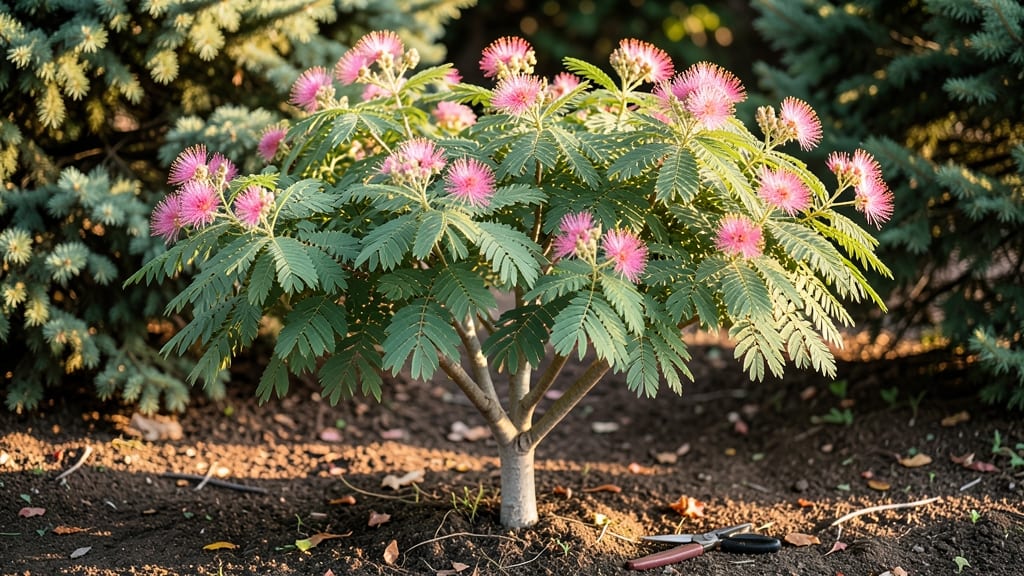
A Rose of Sharon 🌸 can grow anywhere from 6 to 12 feet tall, depending on the variety, growing conditions, and how you prune it—making it a versatile choice for both small gardens and larger landscapes.
If you're planning to add a Rose of Sharon (Hibiscus syriacus) to your garden, knowing its mature height is critical for placement, pruning, and overall care—yet many gardeners overlook the dramatic differences between varieties.
'Annabelle,' for example, typically stays between 6 and 8 feet, while 'Blue Bird' can reach up to 12 feet or more if left unpruned. In USDA Zone 6a, where many gardeners grow this shrub, its height depends on sunlight, soil quality, and how aggressively you trim it back.
Below, I break down the exact height ranges by variety, how to control its size through pruning, and why some plants grow much taller than expected—plus tips to keep it in check for your space.


Rose of Sharon height ranges by popular variety (with exact measurements)
Choosing the right Rose of Sharon (Hibiscus syriacus) variety depends heavily on its mature height—some grow as compact 6-foot shrubs, while others reach 12 feet tall like small trees.
This dramatic range means placement decisions (near patios, under windows, or as privacy screens) can make or break your garden design. Let’s break down the exact height ranges for 10+ popular cultivars, including their growth habits and ideal uses.
Most Rose of Sharon varieties fall into three height categories: compact (3–6 ft), standard (6–10 ft), and tall (10–12+ ft). The growth habit—whether upright, bushy, or weeping—also affects how you’ll shape and prune the plant.
For example, 'Annabelle' stays neatly rounded at 5–6 feet, while 'Blue Chiffon' can stretch toward 10 feet if unchecked. Below, I’ve compiled exact measurements and care notes for the most sought-after varieties.
Pro Tip: Always check your variety’s tag or nursery description—some hybrids or newer releases (like 'Diana') may not match traditional height expectations. For instance, 'Diana' often tops out at 8–10 feet, but in ideal conditions, it can reach 12 feet. Understanding these nuances helps you avoid overcrowding or underutilizing your garden space.
How to control Rose of Sharon height: pruning tips for different growth goals
Want to keep your Rose of Sharon (Hibiscus syriacus) as a compact 6-foot shrub instead of a towering 12-foot tree? Pruning is your secret weapon. This versatile plant adapts beautifully to your space—whether you prefer a hedge-like shape or a small tree silhouette.
The key lies in understanding when and how to prune for your specific height goals.
Most gardeners make one of two mistakes: pruning too late in the season or using the wrong technique. Both can lead to uneven growth or even stunted blooms.
By following a seasonal pruning schedule and using the right tools, you can shape your Rose of Sharon to fit your garden perfectly—whether that means a neat 6-foot border plant or a stately 10-foot focal point.
Here’s your step-by-step guide to controlling height through pruning, tailored to common growth goals:
- 1 Timing is everything: Prune in late winter or early spring (before buds swell) to encourage controlled new growth. Avoid pruning in fall—this can stimulate tender shoots that won’t survive winter.
- 2 For a 6-foot shrub: Cut back 1/3 of the oldest stems to the ground. Remove any crossing or weak branches to improve airflow. This encourages bushier growth while keeping height manageable.
- 3 For a 10-12-foot small tree: Select 3-5 main stems and prune side branches to create a trunk-like structure. Thin out inner branches to reduce density and encourage upward growth.
- 4 Light summer pruning: After flowering, trim only dead or overgrown branches to maintain shape. Avoid heavy pruning in summer—this can reduce next year’s blooms.
- 5 Tools matter: Use sharp bypass pruners for clean cuts and a pruning saw for thicker branches. Always make cuts at a 45-degree angle just above a bud or lateral branch.
- 6 Post-pruning care: Apply a 2-inch layer of mulch around the base to retain moisture. Water deeply to help the plant recover and stimulate new growth in the desired direction.
Remember, Rose of Sharon responds well to pruning, but consistency is key. If you prune aggressively one year and skip the next, you’ll end up with uneven growth. Stick to your chosen height goal and prune annually for the best results.
With practice, you’ll master the art of shaping this stunning shrub to fit your garden vision perfectly.
Pro tip: Take before-and-after photos each year to track your progress. You’ll be amazed at how much a little strategic pruning can transform your plant’s shape and size—turning a wild, overgrown shrub into a manicured masterpiece that enhances your outdoor space.
🌸