
Flowers
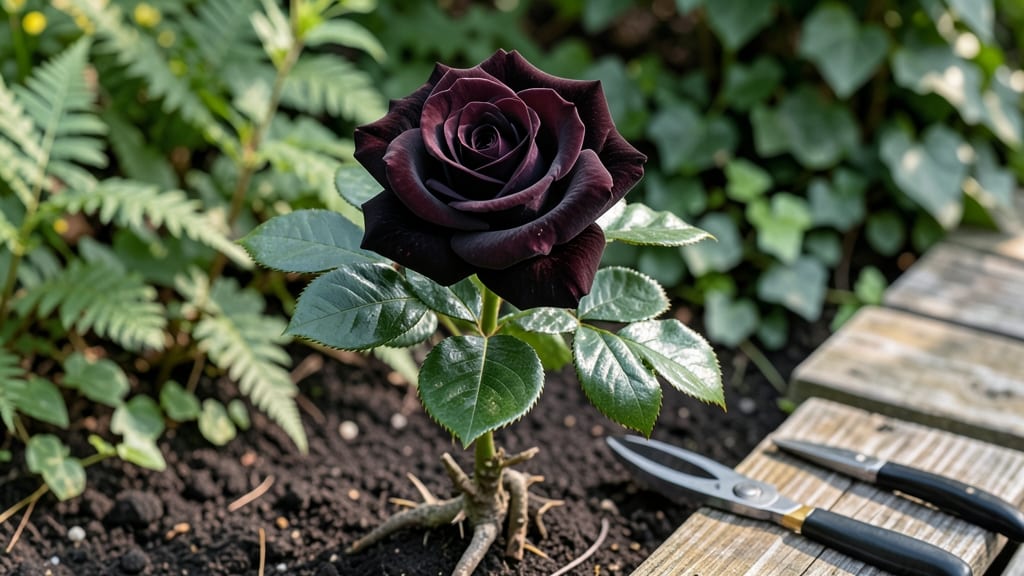
That velvety real black rose flower isn’t magic—it’s Black Baccara, the deep, almost purple-black bloom that steals every show. 🌹 I’ve grown these dramatic beauties for years, and their rich petals pack a fragrance that... lingers like a secret. The trick to keeping them that intense color?
It starts with the right soil, light, and a pruning schedule that feels like a dance. Most gardeners overwater or prune at the wrong time, which is how you end up with pale blooms or no fragrance at all.
These roses need well-draining soil with a touch of compost, full sun (6+ hours daily), and water only when the top inch feels dry. The real secret? Pruning in late winter—cutting back by ⅓—forces fresh, dark blooms all season.
I’ve seen them last 10+ days in a vase, their scent stronger than store-bought roses. By summer, your bushes will be covered in those rich, velvety blooms, their centers a deep burgundy that makes them look like they’re dusted with midnight. The fragrance?
A mix of spice and berries that fills the air when you brush past. Even the leaves stay glossy and healthy with the right care—no wilted, sad foliage here. Works in zones 5-10, though they’ll need winter protection in colder areas.
Here’s how to keep them thriving year-round—no black magic required.
📚 In This Guide
- What you need
- Instructions
- Tips and common mistakes
- Wrapping up and next steps
What you need
- ● Rose Plant: 1 Black Baccara, Black Magic, or Black Pearl rose bush (deep burgundy/black-hued varieties). Choose a bare-root or potted plant from a reputable nursery.
- ● Size: 2–3 feet tall (mature height) for optimal blooms.
- ● Soil: 5–10 gallons of well-draining rose-specific soil mix (or a blend of 60% topsoil, 30% compost, and 10% perlite/sand).
- ● pH Level: 6.0–6.5 (test with a soil pH kit if unsure).
- ● Fertilizer: 1 slow-release rose fertilizer (e.g., Miracle-Gro Rose & Flower Food or Espoma Rose-Tone).
- ● 1 organic compost (e.g., worm castings or aged manure) for seasonal feeding.
- ● Pruning Tools: 1 pair of bypass pruners (sharp, clean, and disease-free).
- ○ 1 rose saw (for thicker stems, optional).
- ● 1 rubbing alcohol or bleach solution (1 part bleach to 9 parts water) for sterilizing tools.
- ● Support: 1 rose trellis, cage, or sturdy stake (height: 4–6 feet). Avoid plastic—opt for metal or wood to prevent rust/mold.
- ● Watering Supplies: 1 watering can with a rose (or a hose with a gentle spray nozzle).
- ● 1 mulch (e.g., pine bark or straw) to retain moisture and suppress weeds.
- ● Pest Control: 1 neem oil spray or insecticidal soap (for aphids, spider mites).
- ● 1 row cover fabric (to protect from early frost or pests).
- ● Fragrance Boosters: 1 rose-scented candle or essential oil diffuser (to enhance the blooms’ natural aroma!).
- ● Seasonal Care: 1 greenhouse or cold frame (if extending the growing season in colder climates).
Step-by-Step guide to cultivating and caring for real black roses
Here’s how to coax those dramatic, velvety black roses into thriving, fragrant blooms—year after year.
🌱 Step 1: Select the Right Variety and Planting Site
Black roses aren’t truly black—they’re deep burgundy or maroon—but the effect is striking. Choose a variety like 'Black Baccara' or 'Black Magic,' which thrive in full sun and well-draining soil. Plant in a spot with at least 6-8 hours of direct sunlight daily—partial shade can lead to weak stems and fewer blooms.
Dig a hole twice as wide as the root ball but no deeper. Amend the native soil with 2-3 inches of compost to improve drainage and fertility. Black roses hate soggy roots, so if your soil drains poorly, mix in sand or perlite to lighten it. I always test the soil pH first—aim for 6.0-6.5, slightly acidic, for optimal nutrient uptake.
☀️ Step 2: Plant and Water for Strong Establishment
Place the rose bush in the hole, ensuring the graft union (the swollen bump near the base) sits 2-3 inches above soil level. This prevents it from being buried, which can rot the graft and weaken the plant. Backfill with soil, firming gently around the roots to eliminate air pockets. Water deeply right after planting to settle the soil and encourage root contact.
Keep the soil consistently moist for the first 4-6 weeks, but avoid waterlogging. You’ll know it’s right when the top 2 inches of soil feel damp but not soggy. Mulch around the base with 2-3 inches of organic mulch (like shredded bark) to retain moisture and suppress weeds—just keep it 4 inches away from the stem to prevent rot.
✂️ Step 3: Prune for Year-Round Blooms and Shape
Pruning is where black roses reveal their drama. In early spring, cut back any dead or diseased wood to just above a healthy bud. For summer blooms, prune lightly after each flush of flowers—trim spent blooms back to the nearest 5-leaflet leaf to encourage new growth. This is called "deadheading," and it keeps your rose bush producing velvety blooms all season.
Here’s the trick: Prune in stages. Never cut more than one-third of the plant at once, or you’ll shock it. I like to make clean cuts at a 45-degree angle about ¼ inch above a bud facing outward. This opens up the center of the bush for better airflow and sunlight penetration, which prevents fungal diseases like black spot.
💧 Step 4: Feed and Protect for Lush, Fragrant Blooms
Black roses are heavy feeders, so fertilize every 4-6 weeks during the growing season with a balanced rose fertilizer (10-10-10 or similar). I mix it into the soil at the base, watering it in immediately to prevent root burn. In late summer, switch to a low-nitrogen, high-phosphorus fertilizer to encourage blooming over leafy growth.
Watch for pests like aphids or spider mites—they love the tender new growth. Spray the undersides of leaves with neem oil or insecticidal soap at the first sign of trouble. For fungal diseases, apply a copper fungicide preventatively if your area has humid summers. A strong, healthy black rose will reward you with intense fragrance and velvety petals that last longer than most varieties.
⏰ Step 5: Prepare for Winter and Next Season
Black roses are hardy but benefit from winter protection in colder climates. Once temperatures drop below 20°F, mound 4-6 inches of mulch around the base of the plant. For extra insurance, wrap the bush loosely in burlap or a rose cone, leaving the top open to prevent moisture buildup. This protects the graft union and encourages strong regrowth in spring.
In late winter, just before new growth starts, prune again to remove any dead wood and shape the bush. This is your chance to plan the year ahead—think about where you’ll place your black roses for maximum drama. With the right care, they’ll bloom earlier and more prolifically than many varieties, giving you those coveted dark, velvety flowers from spring through fall.
Tips & tricks for perfect black rose cultivation
Here's what I learned after years of growing these dramatic beauties—tricks that make all the difference between good and show-stopping black roses.
Sunlight Strategy: Those 6-8 hours of direct sunlight are non-negotiable, but here's the secret: position your black rose where it gets morning sun and afternoon shade in hot climates. The intense midday sun can scorch those deep burgundy petals. I notice my 'Black Baccara' blooms last twice as long when protected from afternoon heat.
Pruning Precision: When you're deadheading in Step 3, look for the first healthy leaf with 5 leaflets below the spent bloom. This is your target cut point. I've found that cutting just above this leaf—rather than at the base—stimulates stronger new growth. And remember, those 45-degree angle cuts are crucial; they prevent water from pooling on the wound, which invites disease.
Soil Science: The 6.0-6.5 pH range isn't just a number—it's about keeping aluminum and manganese soluble for your roses. Test your soil and amend with elemental sulfur if it's too alkaline. I've seen black roses struggle in alkaline soil because they can't access essential nutrients, even with regular fertilizer. A simple soil test kit makes all the difference.
Winter Protection: That 20°F threshold is where things get critical. If you're in Zone 6 or colder, don't wait until the first frost—monitor your local forecast and prepare when temps dip below 30°F for several days. I've lost graft unions before by waiting too long, and replacing a black rose is heartbreaking. The 4-6 inches of mulch should be loose enough to allow airflow, not compacted like a brick.
Pro Tips for Real Black Rose Flower
- Here's what I learned after years of growing these dramatic beauties—tricks that make all the difference between good and show-stopping black roses.
- Sunlight Strategy: Those 6-8 hours of direct sunlight are non-negotiable, but here's the secret: position your black rose where it gets morning sun and afternoon shade in hot climates.
- Pruning Precision: When you're deadheading in Step 3, look for the first healthy leaf with 5 leaflets below the spent bloom.
Frequently asked questions
Got questions about growing or caring for real black rose flowers? You’re not alone! Here are some of the most common queries—plus straightforward answers to help you cultivate these dramatic, velvety blooms with confidence.
Are real black roses actually black, or is that a trick of the light?
The deep, inky hue of a real black rose (like the Black Baccara or Black Magic) isn’t true black—it’s a rich, velvety maroon or burgundy that appears black in certain lighting. The secret? Dark petals with a glossy, almost metallic sheen that absorbs light. For the deepest "black" look, plant them in shaded spots or pair with silver foliage to enhance contrast.
How long does it take for a black rose bush to bloom after planting?
Patience is key! A newly planted black rose may take 12–18 months to establish roots and produce its first blooms. Young bushes (under 2 years old) often focus on growth, so prioritize consistent watering and balanced fertilizer (like 10-10-10) in spring and summer. Prune lightly to encourage sturdy canes—rewarding blooms are worth the wait!
Can I grow a black rose in a pot, or do they need a garden bed?
Black roses thrive in containers if you choose the right setup. Use a 15–20 gallon pot with drainage holes, fill it with well-draining potting mix, and opt for a dwarf or climbing variety (like Black Pearl) to save space. Place the pot in full sun (6+ hours/day) and water deeply when the top inch of soil dries. Just remember: Potted roses may need more frequent feeding than in-ground plants.
Why are my black rose leaves turning yellow, and how do I fix it?
Yellowing leaves are usually a cry for help! Common culprits include:
- Overwatering: Check soil moisture—black roses hate soggy roots. Let the top 2–3 inches dry out between waterings.
- Nutrient deficiency: Feed with a rose-specific fertilizer every 4–6 weeks during growing season (spring–fall).
- Pests: Inspect for aphids or spider mites (use neem oil if spotted).
- Poor drainage: Amend heavy soil with compost or perlite to improve airflow.
Pro tip: If yellowing starts on older leaves, it’s likely overwatering. New leaves yellowing? Check for nutrient issues.
What’s the best way to preserve the color of black roses in cut arrangements?
Black roses fade faster than lighter varieties, but these tricks keep them dramatic:
- Use cool water (change every 2 days) and add a flower food packet with bleach-free bleach substitute (like 1 tsp lemon juice per quart of water).
- Avoid direct sunlight—place arrangements in indirect light to prevent petal bleaching.
- Trim stems at a 45-degree angle every few days to improve water uptake.
- Add a drop of blue food coloring to the water to enhance the rose’s dark tones (subtle but effective!).
Bonus: For long-term preservation, dry black roses using silica gel or a flower press—their rich color stays stunning!
Wrapping up and next steps
The real black rose isn’t just a stunning centerpiece—it’s a symbol of elegance, mystery, and year-round beauty with the right care. From mastering its pruning secrets to savoring its intoxicating fragrance, this velvety bloom rewards dedication with breathtaking results.
Whether you’re a seasoned gardener or a curious beginner, these insights will help you cultivate a thriving black rose garden that turns heads and fills the air with natural perfume.
🌹 Ready to transform your garden? Start by picking one pruning technique from this guide and give it a try—your black roses will thank you with lush, fragrant blooms all season long! 🌿