
Pruning
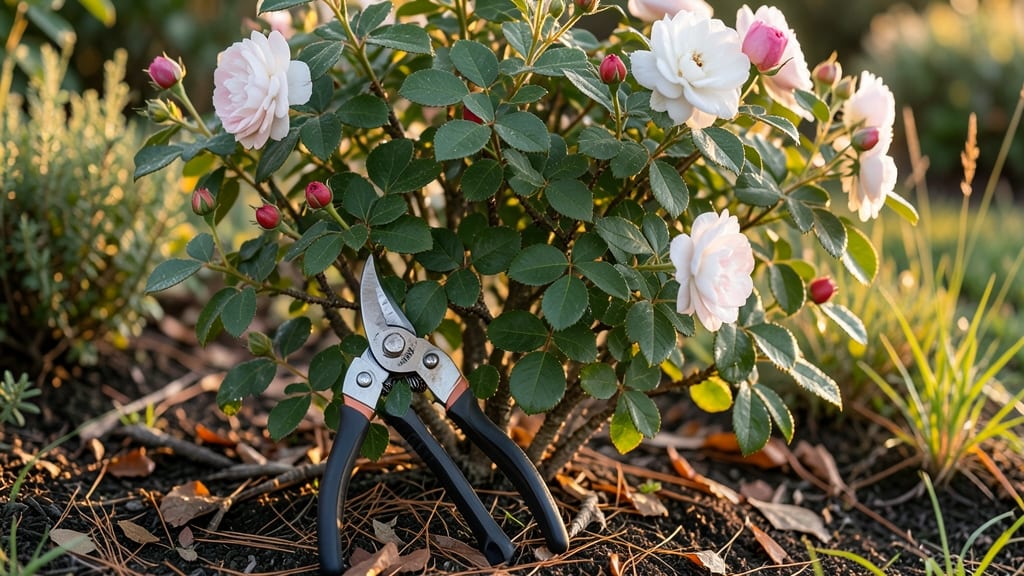
Pruning rosa rugosa roses isn't just about shaping—it's about unlocking year-round fragrance and keeping these hardy shrubs thriving for decades. 🌿 I've learned the hard way that skipping pruning turns these roses into wild, tangled messes instead of the fragrant, disease-resistant powerhouses they should be.
The secret lies in timing, technique, and knowing which cuts to make (and which to avoid).
Start with the right tools: clean, sharp pruners and a small saw for thicker stems. The best time to prune is late winter or early spring, right before new growth begins—this gives you a clean slate for the season.
For post-bloom roses, deadhead spent flowers to encourage more blooms, but never cut back more than one-third of the plant at once. Airflow is key, so thin out crowded branches to prevent fungal diseases.
What you'll end up with is a bush that blooms earlier and longer, with stronger stems and more fragrant flowers. The post-pruning care is simple: water deeply, apply a balanced fertilizer, and monitor for new growth.
These roses reward patience—properly pruned, they'll produce roses with a honey-like scent from spring through fall, and even into winter in milder climates.
Common mistakes? Over-pruning in fall (which invites disease) or cutting too close to the base (which weakens the plant). Instead, focus on outward-facing buds when making cuts, and always sterilize your tools between cuts.
With these strategies, your rosa rugosa will stay healthy, fragrant, and full of life for years to come.
📚 In This Guide
- What you need
- Instructions
- Tips and common mistakes
- Wrapping up and next steps
What you need
- ● Pruning shears: Sharp, bypass-style shears (4-6" blades) for clean cuts. (1 pair)
- ● Loppers: For thicker stems (1-2" cutting capacity). (1 pair)
- ○ Hand pruners: For small branches (optional but handy for precision). (1 pair)
- ● Disinfectant: 70% isopropyl alcohol or bleach solution (1:9 ratio) to sterilize tools between cuts. (Small bottle or spray)
- ● Garden gloves: Heavy-duty, cut-resistant gloves to protect your hands. (1 pair)
- ○ Pruning sealant: Optional but helpful for large cuts (e.g., tree wound paint). (Small bottle)
- ● Trash bags or bucket: For collecting pruned branches. (1-2 large bags or a 5-gallon bucket)
- ● Ladder or step stool: If your rose bush is tall (6+ feet). (Adjustable or sturdy)
- ● Choose a dry, overcast day to minimize stress on the plant.
- ● Work during the dormant season (late fall/winter) for major pruning or early spring for shaping.
- ● Have a clear plan—sketch your rose bush’s structure or use reference photos if needed!
Instructions for pruning Rosa rugosa roses
Here's how to keep your rugged, fragrant roses thriving with just a few well-placed cuts.
✂️ Step 1: Prune in Late Winter for Spring Growth
Wait until your area's last frost date has passed, but before buds begin swelling. Rosa rugosa roses bloom on both old and new wood, so you can be bold with your cuts. Grab your pruners and start by removing any dead, diseased, or crossing branches at the base. These are the first to go—they crowd the plant and invite pests.
For each remaining stem, cut back to an outward-facing bud about ¼ inch above it. This encourages growth outward rather than inward. Aim to open the center of the bush so light and air circulate freely. You'll see thick, sturdy canes emerging after your cuts—these are the foundation for next year's blooms.
☀️ Step 2: Light Summer Pruning After First Blooms
Once you see the first flush of flowers fade, it's time for a quick refresh. Deadhead spent blooms by cutting just above a set of five leaflets (Rosa rugosa's signature leaf shape). This redirects the plant's energy into producing more flowers instead of setting seed.
Look for any leggy growth or branches that are growing toward the center. Trim these back by ⅓ of their length to maintain shape and encourage bushier growth. The goal here is to keep the plant compact and full, not to drastically reshape it. You'll notice new shoots forming within weeks—these will carry your next round of blossoms.
✂️ Step 3: Minimal Fall Cleanup Before Dormancy
As temperatures drop and leaves begin to yellow, give your roses one last light pruning. Remove any remaining dead blooms and branches that look weak or damaged. Cut back any overly vigorous shoots by half their length to prevent them from stealing energy from the plant's roots over winter.
Leave the plant with a slightly open center—this prevents snow buildup that can break branches. Avoid heavy pruning now, as the plant needs to harden off gradually. You'll see the canes standing strong through winter, ready to burst into bloom again next spring.
⏰ Step 4: Annual Maintenance Through the Growing Season
Throughout spring and summer, keep an eye out for suckers—shoots growing from the base of the plant or along the rootstock. These are easy to spot as thin, upright stems with small leaves. Snip them off at the base immediately, as they divert energy from your main plant.
Also watch for branches that are rubbing against each other. These should be pruned back to prevent wounds that could invite disease. A quick monthly check ensures your roses stay healthy between major pruning seasons. You'll develop a rhythm where pruning feels like a natural part of caring for your roses, not a chore.
Tips & tricks for pruning Rosa rugosa roses
Your Rosa rugosa roses will reward you with lush growth and abundant blooms when you follow these key strategies for healthy pruning.
The Timing Factor: In Step 1, wait until your last frost date has truly passed—don't guess! Check your local weather service for the exact date. I've seen roses bloom earlier than expected when pruned too soon, only to suffer frost damage later. The ¼-inch cut above outward-facing buds in Step 1 creates the perfect angle for sunlight exposure, which is why you'll notice new growth emerging within weeks.
Deadheading Technique: When deadheading in Step 2, look for that distinctive five-leaflet shape—this is your Rosa rugosa identifier. Cut just above this leaf set to encourage new blooms. I've found that roses pruned this way produce flowers continuously throughout summer. The key is precision: if you cut too high, you remove potential bloom points; too low, and you leave stubs that can rot.
Seasonal Adjustments: In Step 3, when cutting back vigorous shoots by half their length, remember this is about balance. Rosa rugosa is a hardy plant that stores energy in its roots, so don't over-prune in fall. I've learned this the hard way—after cutting back too aggressively one autumn, my roses took longer to recover the following spring. The open center you create prevents snow damage while allowing winter sunlight to reach dormant buds.
Tool Maintenance: Always use sharp, clean pruners—dull blades crush stems instead of making clean cuts. I sterilize my tools with rubbing alcohol between cuts on diseased branches (Step 1). This prevents spreading pathogens. For thick canes, use loppers for clean cuts without tearing the bark. The right tools make all the difference in how your roses respond to pruning.
Pro Tips for Pruning Rosa Rugosa Roses
- Your Rosa rugosa roses will reward you with lush growth and abundant blooms when you follow these key strategies for healthy pruning.
- The Timing Factor: In Step 1, wait until your last frost date has truly passed—don't guess!
- Deadheading Technique: When deadheading in Step 2, look for that distinctive five-leaflet shape—this is your Rosa rugosa identifier.
Frequently asked questions
Got questions about pruning your Rosa rugosa roses? You’re not alone!
Here are the most common concerns—and straightforward answers—to keep your fragrant shrubs thriving year-round.
When is the best time to prune Rosa rugosa roses?
Prune Rosa rugosa in late winter or early spring (before new growth starts) for best results. Light trimming to shape or remove dead wood can also happen in summer after flowering. Avoid heavy pruning in fall—it stimulates tender new growth that may freeze.
How much can I cut back Rosa rugosa roses?
These hardy roses tolerate moderate pruning. For rejuvenation, cut back 1/3 of the oldest stems to the ground every 2–3 years. Never remove more than 30% of the plant’s structure in one year, as it may stress the shrub. Thin out crowded branches first!
What if my Rosa rugosa has dead or diseased wood?
Remove any blackened, mushy, or hollow stems immediately—even in winter. Sterilize your pruners with rubbing alcohol between cuts to prevent spreading disease. If fungal issues persist, apply a copper fungicide after pruning for extra protection.
Will pruning reduce my rose’s flowers or hips?
Not at all! Rosa rugosa blooms on old and new wood, so strategic pruning encourages more flowers. Cutting back after flowering (late summer) promotes larger, healthier hips—great for wildlife and tea! Just avoid heavy cuts in spring if you want early blooms.
Can I prune Rosa rugosa for hedge shaping?
These roses handle formal pruning well. Use hand pruners or hedge shears to shape in late spring or summer. For a natural look, step back occasionally and trim selectively. Avoid shearing too close to the stem—leave 1/4 inch to prevent damage.
Wrapping up and next steps
Pruning your Rosa rugosa roses doesn’t have to be intimidating—it’s all about timing, technique, and a little patience! 🌸 With the right tools and a clear strategy, you’ll enjoy lush blooms, vibrant foliage, and that signature fragrance for years to come.
Remember, consistency is key, so mark those seasonal reminders and embrace the process as part of your garden’s care routine.
Ready to transform your garden? Start small—pick one season to focus on first, then build your confidence. Grab your pruners, put on some music, and enjoy the satisfaction of nurturing your roses into thriving beauty! 🌿