
Blooming
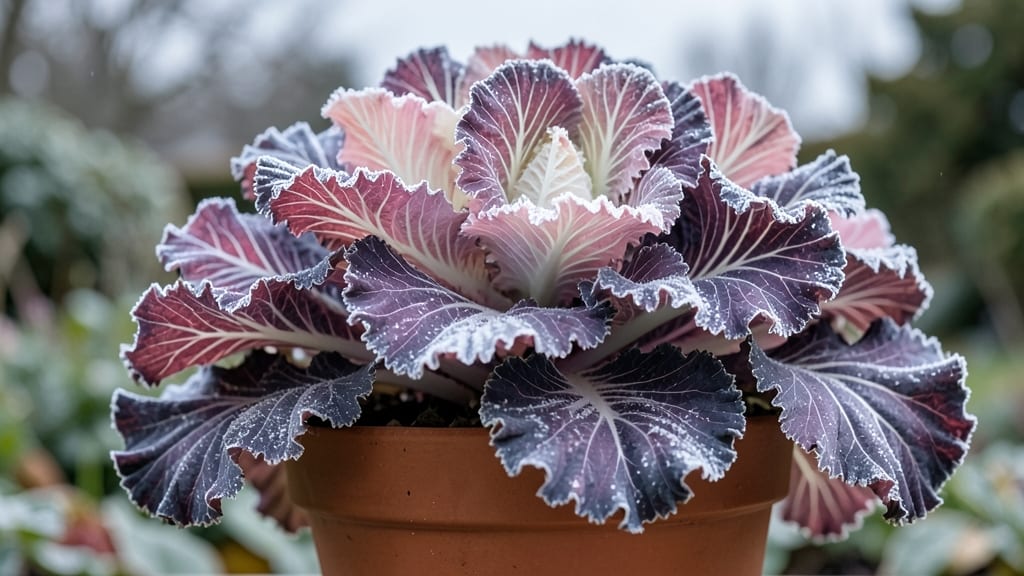
Fall and winter gardens don’t have to be dull—these 10 fragrant, late-season bloomers add color, scent, and life when most plants have faded. Perfect for containers, borders, or cutting gardens, these cold-hardy beauties thrive in cooler weather and attract pollinators even in winter.
Sweet Alyssum for Winter Containers
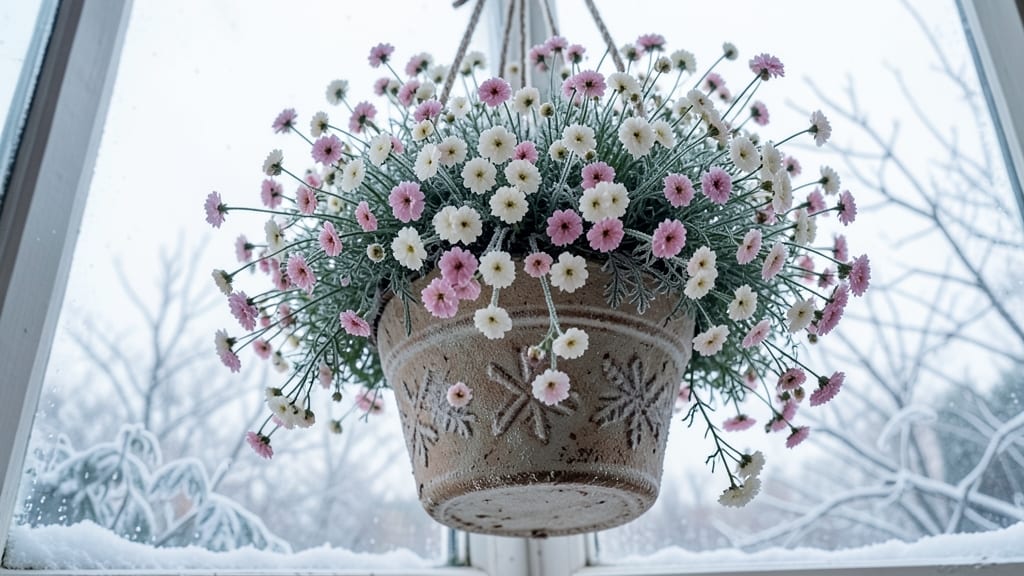
When frost paints your garden in shades of white, sweet alyssum steps in to transform containers into fragrant winter wonders. Its tiny white, pink, or purple blooms release a honey-like scent that fills the air when brushed by a gentle breeze—perfect for hanging baskets or snow-dusted windowsills.
This low-maintenance annual thrives in USDA zones 7-10 and loves full sun to partial shade. Plant it in well-draining soil, water lightly (it’s drought-tolerant once established), and watch it spill over edges with cheerful color. Deadhead spent blooms to encourage nonstop flowers from fall until frost.
Urban gardeners and balcony growers will adore sweet alyssum for its pollinator-friendly appeal—bees and butterflies visit even in winter. Pair it with evergreens for year-round texture, or mix colors for a cascading winter display. 🌱
Winter Jasmine with Golden Blooms
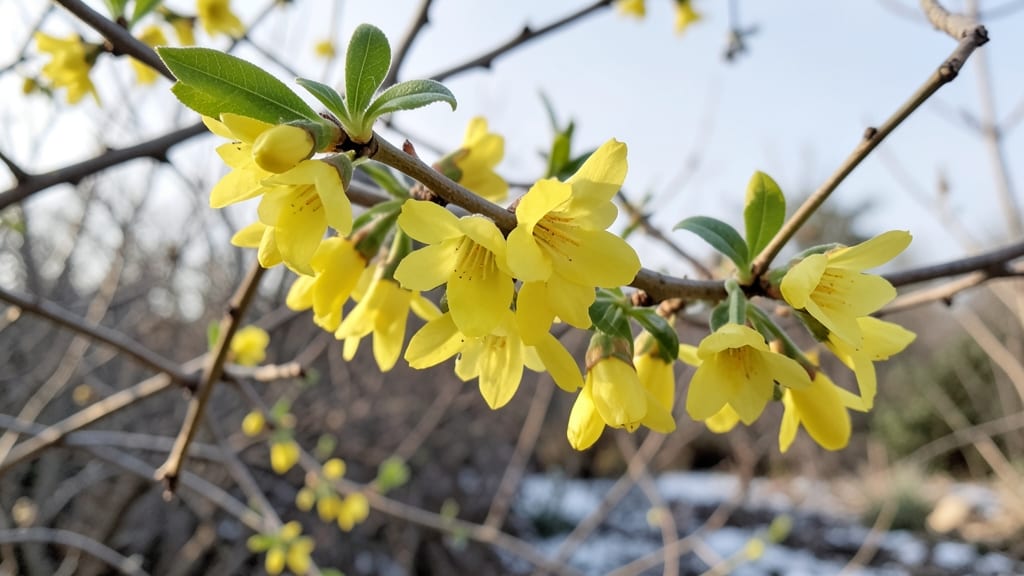
When the world is still wrapped in winter’s quiet, winter jasmine bursts onto the scene with bright yellow blooms that smell like sunshine and citrus. This deciduous vine is one of the first to bloom in late winter (February-March), offering a cheerful splash of color when most gardens are still dormant.
Plant it against a trellis or fence where its arching stems can climb, and enjoy its fragrant flowers that appear before the leaves. It thrives in full sun to partial shade and is incredibly hardy in zones 6-9, making it a low-maintenance choice for gardeners eager to beat the winter blues.
Perfect for urban gardens, small spaces, or as a focal point in borders, winter jasmine brings early pollinators like bees to your yard. Its evergreen-like appearance in winter adds year-round structure too. 💚
Cyclamen for Shady Spots
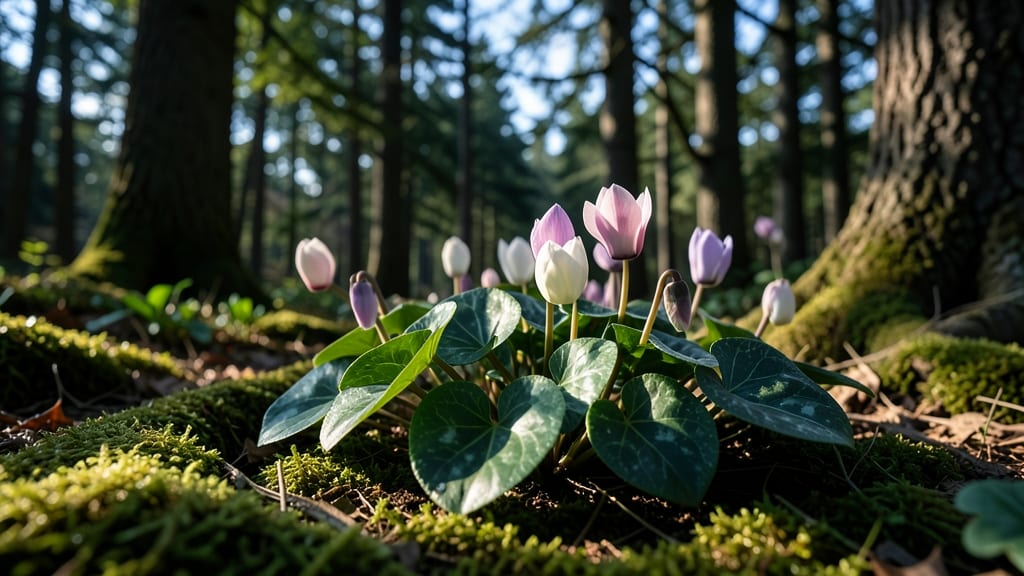
If your garden has areas that stay too shady for sun-loving plants, cyclamen is your secret weapon. These charming perennials thrive in partial shade and reward you with delicate blooms from late fall through winter, making them perfect for woodland gardens or under trees.
Cyclamen’s heart-shaped leaves, often marked with silver, create stunning contrast with their pink or white flowers. They’re low-maintenance, preferring well-draining soil and consistent moisture, and do well in zones 5-9. For best results, plant tubers in fall—just below the soil surface—and enjoy their blooms before most gardens go dormant. 🌷
Hellebore (Lenten Rose) for Early Color
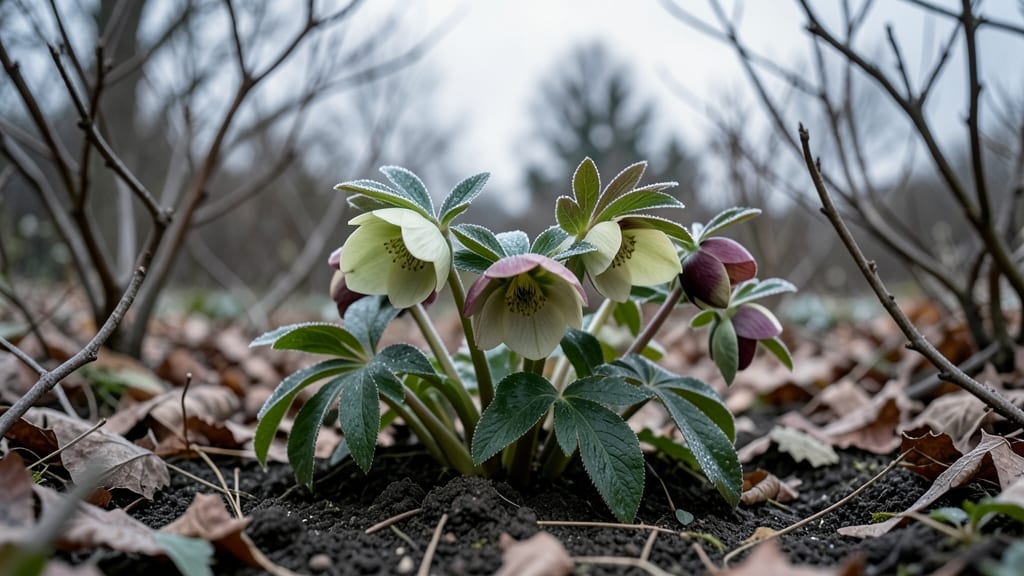
When the garden seems dormant under winter’s chill, hellebores (or Lenten roses) rise to the occasion with their frost-tolerant blooms that appear as early as February. These elegant perennials thrive in shade where most plants struggle, making them a secret weapon for late-winter color.
Plant hellebores in zones 4-9 under trees or along north-facing walls, where they’ll reward you with nodding flowers in white, pink, or deep purple that last for weeks. Their leathery, evergreen leaves provide year-round interest, while deer and rabbits typically avoid them. For best results, water consistently the first year and mulch to protect roots from freeze-thaw cycles.
Perfect for gardeners who crave low-maintenance beauty, hellebores are the unsung heroes of shade gardens. 🌱
Pansies for Cold-Weather Cheer
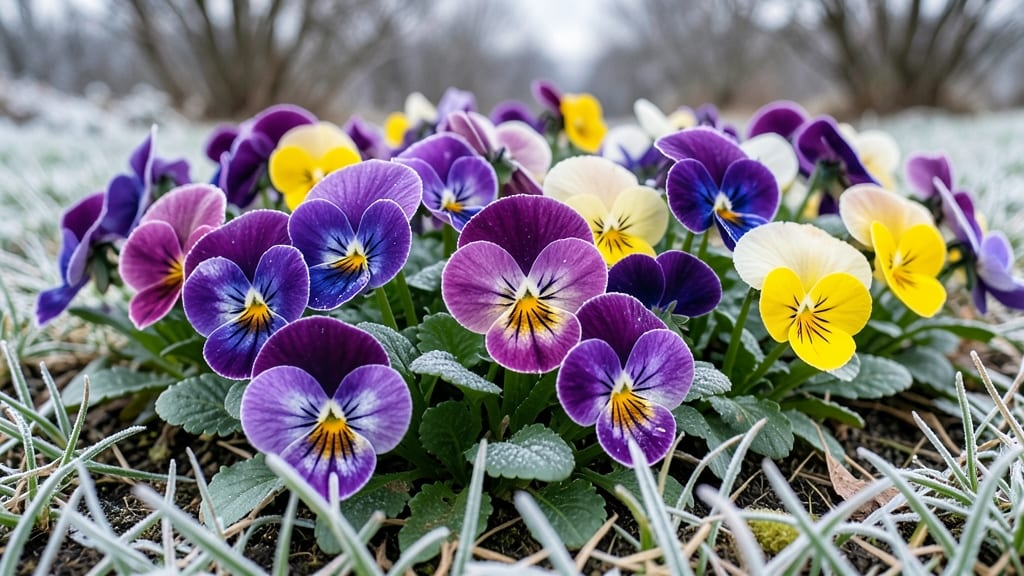
When other plants retreat for winter, pansies throw on their brightest smiles—literally. These cheerful annuals boast bold, face-like blooms in every color imaginable, from deep purples to sunny yellows, and they keep performing from fall through spring, even when temperatures dip into the 20s°F. Their secret? A hardy constitution that lets them bounce back from light frost, making them the ultimate low-maintenance star for winter containers or garden borders.
For maximum impact, opt for ‘Matrix’ series varieties, bred specifically for compact growth and long-lasting blooms. Plant them in well-draining soil with 4-6 hours of sun daily (they tolerate partial shade too), and deadhead spent flowers to encourage nonstop blooms. Pansies are also edible—their petals add a peppery kick to salads or garnishes, though gardeners usually grow them purely for their eye-catching beauty. They’re especially forgiving for beginners, as they thrive in zones 3-10 with minimal fuss.
Urban gardeners and small-space lovers will adore pansies for their versatility—they shine in pots, window boxes, or tucked between shrubs. Pair them with sweet alyssum for a fragrant, winter-long show that brightens even the grayest days. 🌻
Mahonia with Spicy Fragrance
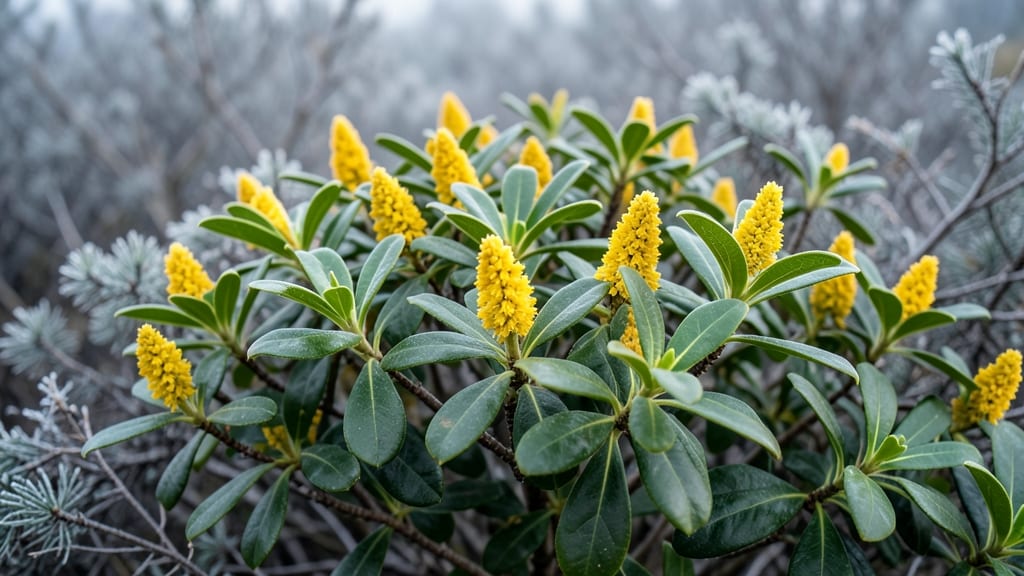
If you crave a fragrant splash of color when winter feels gray, mahonia delivers with its pineapple-scented yellow blooms that appear in late winter—often before most gardens wake up. This evergreen shrub thrives where others struggle, making it a standout for shade-loving gardeners in zones 5-9.
Plant mahonia in partial shade (it tolerates full shade too) and watch it reward you with clusters of fragrant flowers that attract early-season bees. The spiky, holly-like leaves stay lush year-round, adding texture even when not in bloom. Prune lightly after flowering to maintain shape, and enjoy its drought-tolerant nature once established.
Perfect for woodland gardens, foundation plantings, or as a fragrant hedge, mahonia is ideal for gardeners who want low-maintenance beauty with a tropical twist. 🌿
Daffodils for Early Spring Color
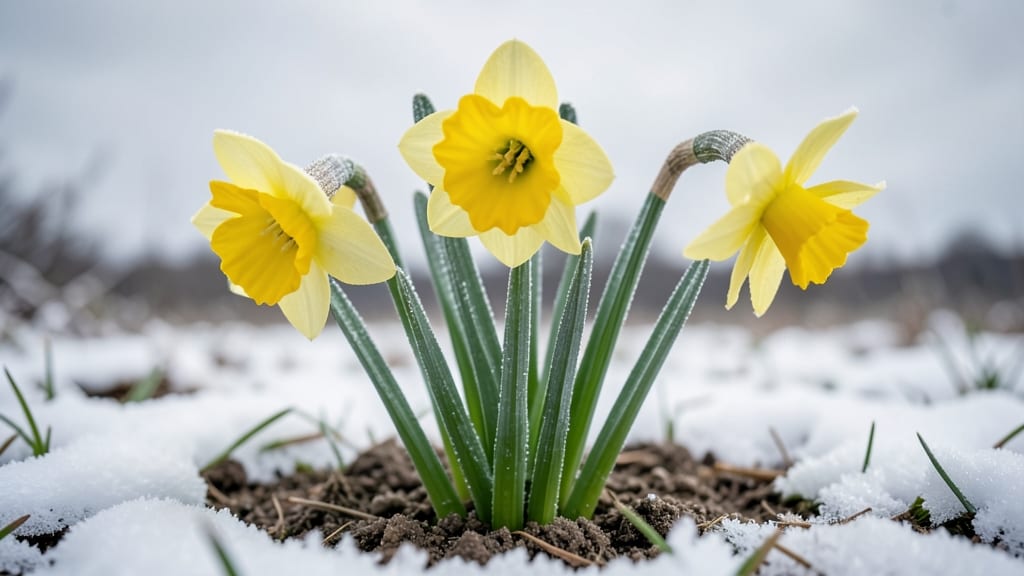
When the world feels grayest, daffodils burst through snow with their cheerful yellow trumpets—often as early as January or February. These iconic bulbs are nature’s way of announcing spring’s arrival, and their bright blooms lift spirits like no other early-season plant.
For containers, the ‘Tête-à-Tête’ variety is a game-changer—its compact size (just 6-8 inches tall) makes it perfect for small pots, window boxes, or even indoor bright spots. Plant bulbs in well-draining soil and give them full sun (6+ hours daily) for the most vibrant blooms. They’re also deer-resistant and thrive in zones 3-8, making them one of the hardiest early bloomers.
Whether you’re a beginner or a seasoned gardener, daffodils are the easiest way to bring color to your garden before spring officially arrives. Their low-maintenance nature and long-lasting blooms make them a must-have for any cold-season garden. 🌱
Camellia for Luxurious Winter Flowers
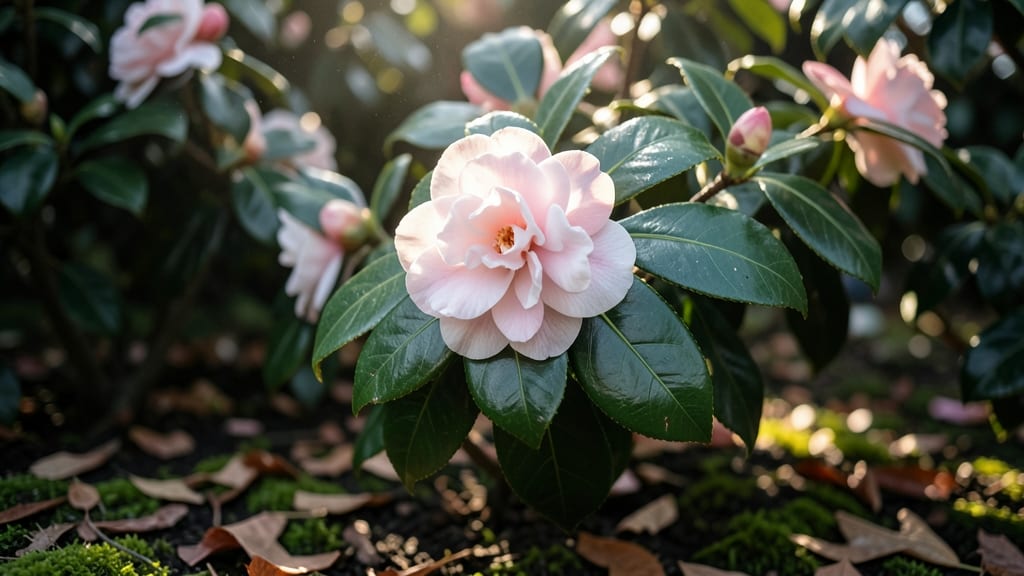
Transform your winter garden into a fragrant oasis with camellias, the ultimate statement plants for mild climates. Their glossy evergreen leaves and velvety rose-like blooms create a luxurious backdrop that thrives when most gardens fade into dormancy.
Plant these beauties in partial shade to full sun (they’ll tolerate more sun in coastal areas) and enjoy blooms from late fall through winter. Prune lightly after flowering to maintain shape, and fertilize with acid-loving plant food in spring. Varieties like 'Sasanqua' bloom earlier, while 'Japonica' types offer larger, showier flowers—perfect for hedges or dramatic focal points.
Ideal for gardeners in zones 7-10, camellias bring year-round structure with their evergreen foliage while rewarding you with seasonal fragrance. They’re the perfect way to make your winter garden feel like a tropical retreat. ✨
Snowdrops for Early Bloomers
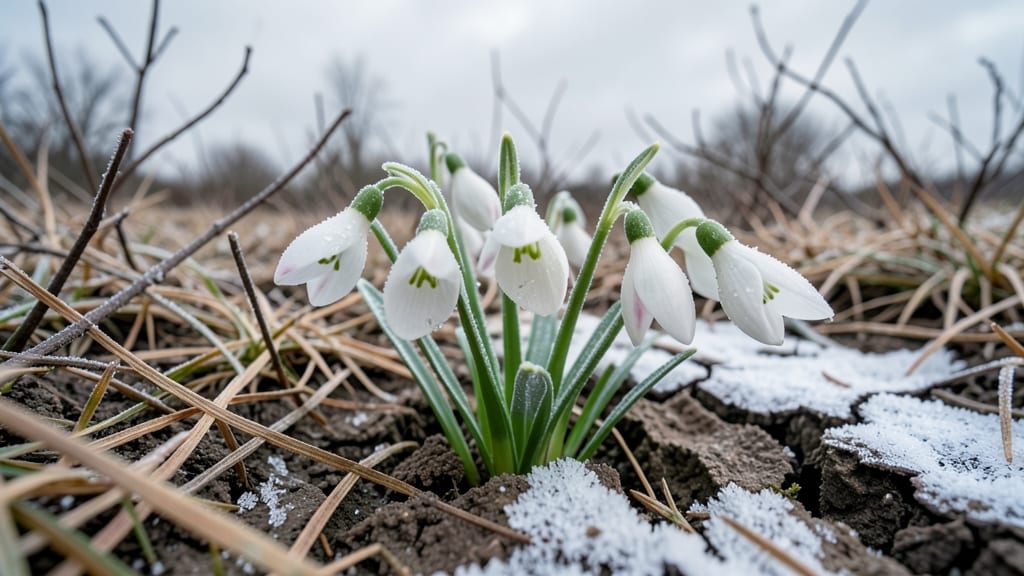
When the ground is still frozen and most gardens lie dormant, snowdrops emerge like tiny messengers of spring. These delicate, white bell-shaped flowers push through snow-covered soil as early as February, offering a symbol of hope and renewal when the world feels grayest.
Snowdrops thrive in partial to full shade, making them ideal for woodland gardens, under deciduous shrubs, or along north-facing foundations. Plant bulbs in fall (September-October) in well-draining soil, and they’ll multiply over time, creating naturalizing drifts. Their hardiness in zones 3-9 means they’ll return year after year with minimal care—just keep the area weed-free.
Perfect for gardeners who want low-maintenance beauty without sacrificing impact, snowdrops pair beautifully with hellebores and cyclamen for a year-round woodland display. 🌱
Ornamental Kale for Winter Texture

Skip the flowers this winter—ornamental kale steals the show with its bold, frost-kissed foliage in shades of purple, pink, and white. Unlike traditional winter bloomers, this edible superstar thrives in cold snaps and even improves with light frost, making it a textural powerhouse for containers or garden beds.
Plant varieties like ‘Red Russian’ or ‘White Russian’ in full sun to partial shade, and water moderately to keep leaves crisp. It’s equally at home in 10-inch pots or mixed borders, and you can harvest outer leaves for salads—adding a peppery kick to winter meals.
Urban gardeners and beginners will love how low-maintenance it is, while landscape designers can use it to create year-round structure alongside evergreens. 🌿