
Flowers
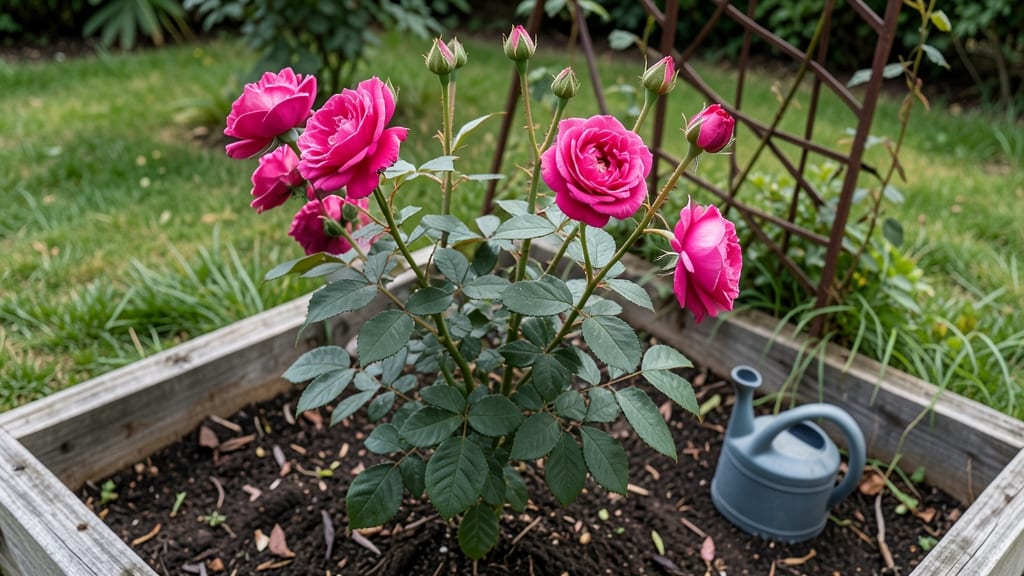
Growing the Pink Candy Rose in containers means fragrant, blushing blooms that last all season—no yard required. 🌸 I’ve grown this variety for years, and its disease-resistant vines and nonstop flowers make it the perfect choice for balconies, patios, or sunny windowsills.
The secret to success? Matching its needs to the right spot and care routine.
This rose thrives in full sun (6+ hours daily) and well-draining soil, but its real charm lies in its resilience. Unlike fussy roses, Pink Candy handles heat and humidity better than most, and its sweet, spicy fragrance fills the air when you brush past the blooms.
Start with a 5-gallon container for young plants, upgrading to 10+ gallons as they mature.
With the right pruning—cutting back in early spring and deadheading spent blooms—you’ll get continuous flowers from spring to frost. The vines stay compact, so they don’t sprawl like traditional roses, making them ideal for small spaces. Plus, their disease resistance means fewer sprays and more blooms.
Whether you’re a beginner or a seasoned gardener, this rose delivers low-maintenance beauty with high rewards. Let’s get those vines thriving in pots—your neighbors will be jealous of those candy-pink clusters! 🌿
📚 In This Guide
- What you need
- Instructions
- Tips and common mistakes
- Wrapping up and next steps
What you need
- ● Pink Candy Rose Bare-Root Plant: 1 (ensure it’s disease-resistant and healthy)
- ● Container: 1 large pot (12–15 inches in diameter) with drainage holes
- ● Potting Mix: 3–5 gallons of well-draining, rose-specific soil blend (or a mix of 60% garden soil + 30% perlite + 10% compost)
- ● Gravel or Pebbles: Small stones for drainage layer (1–2 inches at the container’s bottom)
- ● Slow-Release Fertilizer: 1 packet (10–14-10 NPK ratio, rose-specific if possible)
- ● Organic Mulch: 1–2 inches of bark chips or straw (to retain moisture)
- ● Pruning Shears: 1 pair (sterilized with rubbing alcohol)
- ● Watering Can: 1 (with a fine rose or shower head)
- ● Epsom Salt: 1 tablespoon (for magnesium boost)
- ● Rose Food: Liquid fertilizer (for mid-season feeding)
- ● Trellis or Cage: 1 (to support climbing vines)
- ● Spray Bottle: For misting leaves (especially in dry climates)
- ● Garden Gloves: 1 pair (to protect hands from thorns)
- ● Compost Tea: 1 batch (for extra nutrients)
Step-by-step instructions for cultivating Pink Candy roses in containers
Here’s my foolproof method for growing these fragrant, repeat-blooming beauties in pots—no greenhouse required.
🌱 Step 1: Select the Right Container and Soil Mix
Choose a 5-gallon container with drainage holes—Pink Candy roses need room for their vigorous roots. I use unglazed terra cotta because it breathes and prevents root rot. If your pot lacks drainage, drill holes yourself—these roses despise soggy feet.
Fill the bottom 2 inches with gravel or perlite for aeration, then add a high-quality potting mix blended with 20% compost. This ensures drainage while retaining moisture. Avoid garden soil—it compacts and suffocates roots. Tap the pot gently to settle the mix without compacting it.
🌿 Step 2: Plant Bare-Root or Container-Grown Roses
For bare-root roses, soak the roots in lukewarm water for 4-6 hours before planting. This revives dormant roots and prevents transplant shock. If using a container-grown plant, gently remove it from its nursery pot and tease apart any circling roots.
Position the rose so the graft union (the swollen bump near the base) sits 1-2 inches below soil level. This protects the plant from temperature swings. Backfill with soil, pressing lightly to eliminate air pockets. Water deeply until it drains from the bottom—you’ll know it’s right when water runs freely from the drainage holes.
☀️ Step 3: Provide Full Sun and Consistent Care
Pink Candy roses thrive in 6+ hours of direct sun daily. A south-facing spot delivers the best results, but west-facing works too. If your patio only gets partial sun, supplement with a grow light for 12-14 hours/day—these roses won’t bloom without enough light.
Water deeply 2-3 times per week, soaking the soil until it’s damp 6 inches down. Let the top 1-2 inches dry between waterings—overwatering is the #1 killer of container roses. Mulch the surface with 2 inches of shredded bark to retain moisture and regulate temperature.
✂️ Step 4: Prune for Bushier Growth and Nonstop Blooms
Prune in early spring before new growth starts. Cut back one-third of the oldest canes to the ground, and trim remaining stems to just above an outward-facing bud. This encourages bushier growth and more blooms. Deadhead spent flowers weekly—pinch them off at the first set of healthy leaves below the bloom.
Fertilize every 4-6 weeks with a balanced rose fertilizer (10-10-10 or similar). I mix it into the top 1 inch of soil after watering to avoid root burn. Stop fertilizing in late summer to harden the plant for winter. Watch for bright green, glossy leaves—that’s your sign the plant is thriving.
⏰ Step 5: Winterize for Repeat Performance
As temperatures drop below 40°F, move the container to a protected spot (like a garage or under a porch). Wrap the pot in bubble wrap and cover the top half of the plant with burlap. This shields it from freezing winds while allowing airflow.
Reduce watering to once every 2 weeks—the plant’s growth slows, so it needs less. In early spring, uncover the plant and resume regular care. You’ll see new buds forming within 4-6 weeks—proof your winter prep worked. Pink Candy roses reward patience with fragrant blooms from spring to frost if cared for correctly.
Tips & tricks for cultivating Pink Candy roses in containers
Here's what I've learned from years of growing these fragrant beauties—simple secrets that make all the difference.
Container Selection: While the instructions specify a 5-gallon container, I've found that 7-gallon pots work even better for Pink Candy roses, giving their vigorous roots more room to spread. Look for containers with multiple drainage holes—this prevents waterlogging, which can lead to root rot. If you're using decorative pots without drainage, nest them inside plastic nursery pots to catch excess water.
Soil Preparation: The 20% compost blend in the soil mix is perfect, but I add 1 cup of perlite to the top 2 inches of soil for extra aeration. This helps prevent that dreaded "soggy bottom" issue while still keeping moisture levels ideal. Think of it as giving your rose's roots a breath of fresh air—literally!
Transplanting Timing: The 4-6 hour soaking time for bare-root roses is spot-on, but here's my pro move: I soak them overnight in lukewarm water with a rooting hormone (like a tablespoon of honey or diluted apple cider vinegar). This gives the roots an extra boost before planting. Just be sure to plant them within 24 hours of soaking to prevent root damage.
Light Supplement Strategy: When the instructions mention using a grow light for 12-14 hours, I recommend positioning it 6-12 inches above the plant for optimal light penetration. Use a timer to automate the light cycle—this consistency is what triggers those beautiful blooms. If you notice the leaves stretching toward the light (a sign of light deprivation), it's time to move the plant closer or add more light hours.
Pro Tips for Pink Candy Rose
- Here's what I've learned from years of growing these fragrant beauties—simple secrets that make all the difference.
- Container Selection: While the instructions specify a 5-gallon container, I've found that 7-gallon pots work even better for Pink Candy roses, giving their vigorous roots more room to spread.
- Soil Preparation: The 20% compost blend in the soil mix is perfect, but I add 1 cup of perlite to the top 2 inches of soil for extra aeration.
Frequently asked questions
Got questions about growing pink candy rose vines? You're not alone! Here are some of the most common queries—plus quick answers to keep your fragrant blooms thriving.
How fast do pink candy roses grow, and when can I expect flowers?
Pink candy roses are fast growers—expect vines to reach 3–5 feet per year with proper care. In ideal conditions (full sun, well-draining soil, and regular watering), you’ll see first blooms within 6–12 months of planting. For container-grown roses, blooms may arrive slightly later but still within a year!
Do pink candy roses need a lot of water? How often should I water them?
These roses are moderate drinkers—water deeply 2–3 times per week during the first year to encourage root growth. Once established, 1–1.5 inches of water per week (from rain or irrigation) is ideal. Morning watering is best to reduce fungal risks, and always ensure containers have drainage holes to prevent soggy roots.
Can I grow pink candy roses in containers year-round? What about winter?
Pink candy roses thrive in containers year-round in warm climates (USDA Zones 7–10). For colder zones, move pots to a protected spot (like a garage or shed) before the first frost. Reduce watering in winter and prune lightly in early spring. If you’re in a freeze-prone area, consider wrapping the pot in bubble wrap for extra insulation.
What if my pink candy rose leaves turn yellow or drop buds?
Yellow leaves often signal overwatering or poor drainage. Let the top inch of soil dry out between waterings, and check your container’s drainage. Dropped buds? It could be stress from heat, drought, or transplant shock. Keep vines well-hydrated and mulch around the base to retain moisture. Fertilize lightly with a balanced rose food every 4–6 weeks to encourage blooms.
Are pink candy roses fragrant? How do I keep them smelling sweet?
Yes! Pink candy roses are highly fragrant—their blooms release a delicate, candy-like scent that’s perfect for containers near patios or windows. To keep the fragrance strong:
- Deadhead spent blooms regularly to encourage new flowers.
- Avoid over-fertilizing with nitrogen (stick to a balanced 10-10-10 or rose-specific formula).
- Prune for airflow—trim back crowded branches to reduce humidity (which can dull scent).
What’s the best alternative if I can’t grow pink candy roses?
If your climate or space is tricky, try these fragrant, low-maintenance alternatives for containers:
- Clematis (e.g., ‘Jackmanii’)—vining, fragrant, and drought-tolerant.
- Jasmine ‘Primrose Yellow’—sweet-scented, compact, and great for small pots.
- Honeysuckle ‘Annabelle’—fast-growing, fragrant, and attracts pollinators.
- Petunia ‘Sweet Fragrance’ series—edible, fragrant blooms perfect for hanging baskets.
Wrapping up and next steps
Growing pink candy roses in containers is a rewarding journey that brings beauty, fragrance, and endless blooms to your space—even if you’re working with limited room! 🌸 With the right care, these vibrant vines will thrive, offering a burst of color and sweet scents year after year.
Whether you’re a beginner or a seasoned gardener, the key is patience, consistency, and a little love.
Ready to turn your balcony or patio into a fragrant paradise? Start by planting your rose today and watch as its delicate blooms transform your outdoor (or indoor!) oasis. Happy gardening! 🌱✨