
Shrubs
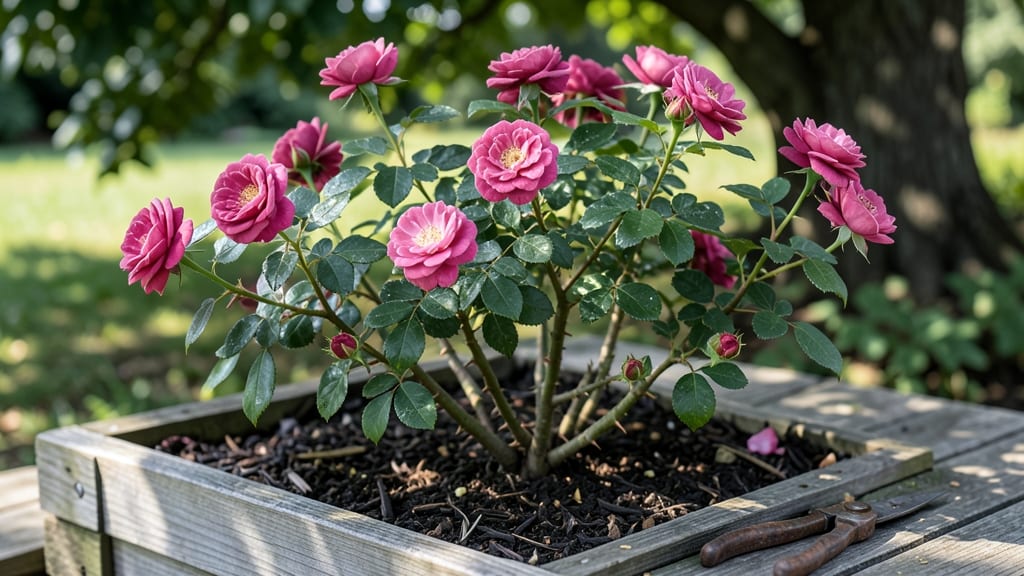
Growing Chinese red roses means fragrant vines that smell like summer all year long. 🌹 I learned the hard way that these roses need more than just good intentions—they demand the right soil, sunlight, and pruning rhythm to reward you with those classic, intoxicating blooms.
My first attempt ended in leggy, sparse growth until I adjusted my approach, and now I’ve got a bush that’s covered in roses from spring until frost.
The secret starts with well-draining soil rich in organic matter—think 50% garden soil, 30% compost, and 20% perlite or sand to keep roots happy. These roses thrive in full sun (at least 6 hours daily) but will tolerate partial shade if you’re in a hotter climate.
Watering is where most people trip up: keep the soil consistently moist but never soggy, especially during the first year when roots establish.
Pruning might seem intimidating, but it’s the key to lush growth. Cut back dead or crossing branches in late winter, and shape the bush in early summer to encourage bushier, flower-filled growth.
With the right care, you’ll see those classic red blooms appear in just 8-12 weeks after pruning, and the fragrance will draw you into the garden every evening.
These roses are perfect for containers, small spaces, or even as a climbing feature on a trellis. They’re hardy in zones 7-10, but with proper winter protection, you can grow them in cooler areas too.
The real magic happens when you see those first blooms—it’s worth every bit of effort.
📚 In This Guide
- What you need
- Instructions
- Tips and common mistakes
- Wrapping up and next steps
What you need
- ● Chinese Red Rose Plant: 1 bare-root or potted plant (ensure it’s disease-free and labeled as Rosa chinensis)
- ○ Optional: Grafted variety for better disease resistance
- ● Growing Container (if container-grown): 1 large container (minimum 12-inch diameter and 12-inch deep)
- ● Materials: Terracotta, ceramic, or high-quality plastic (ensure drainage holes)
- ● Well-Draining Soil: 50% high-quality potting mix (e.g., Miracle-Gro or Fox Farm)
- ● 30% perlite or coarse sand (for aeration)
- ● 20% compost or worm castings (for nutrients)
- ● Fertilizer: 1 balanced rose fertilizer (10-10-10 or 5-10-5 ratio)
- ○ Optional: Slow-release granules or organic options (fish emulsion, bone meal)
- ● Gloves: 1 pair heavy-duty gardening gloves (to protect from thorns)
- ● Pruning Shears: 1 sharp, sterilized pair (for trimming and shaping)
- ● Trowel or Spade: 1 small trowel (for planting) or 1 spade (for in-ground planting)
- ● Mulch: 2–3 inches of wood chips or straw (to retain moisture)
- ● Watering Can or Hose: With a gentle spray nozzle (roses hate soggy roots!)
- ○ Support Structure (Optional): 1 cage, trellis, or stakes (for climbing varieties)
- ● Tip: Use 3–4 stakes per plant for stability
- ● Sunlight: Full sun (6+ hours/day)—no excuses!
- ● Water: Access to consistent moisture (but avoid waterlogging)
Step-by-step instructions for growing Chinese red roses in containers
Here's how I grow these fragrant climbers—strong, healthy, and ready to climb in just a few seasons.
🪴 Step 1: Choose the Right Container and Soil Mix
Pick a container at least 18 inches deep with drainage holes—Chinese red roses need room for their deep root systems. I use terra cotta pots because they breathe better than plastic, helping prevent root rot. If your pot lacks drainage, drill holes in the bottom or place it on a saucer with gravel.
Fill the bottom third with gravel or perlite for drainage, then add a high-quality potting mix blended with 20% compost. This mix should be loose and well-aerated—Chinese red roses hate soggy roots. Tap the pot gently to settle the soil without compacting it too tightly.
☀️ Step 2: Select and Plant Your Rose
Choose a bare-root Chinese red rose from a reputable nursery. Soak the roots in lukewarm water for 2-3 hours before planting to rehydrate them. Plant in early spring after the last frost, when the soil is warm but not yet scorching.
Dig a hole twice as wide as the root ball but no deeper. Position the rose so the graft union (the swollen bump near the base) sits 2 inches below soil level. This protects the graft and encourages strong growth. Backfill with soil, pressing gently to remove air pockets, and water deeply until it drains from the bottom.
💧 Step 3: Water and Fertilize for Strong Growth
Water your rose deeply every 2-3 days until the top 2 inches of soil feel dry. Overwatering is the fastest way to kill a container rose—always check moisture with your finger before watering. In hot weather, you may need to water daily, but avoid letting water pool in the saucer.
Start fertilizing with a balanced rose fertilizer (10-10-10) once new growth appears in spring. Feed every 4-6 weeks during the growing season, but cut back in fall and winter. I also add a slow-release fertilizer pellet to the soil at planting time for steady nutrition.
✂️ Step 4: Prune and Train for Climbing
Prune in late winter or early spring before new growth starts. Remove any dead, diseased, or crossing branches first. Then, cut back remaining canes by one-third to encourage bushier growth. Chinese red roses climb naturally, so install a sturdy trellis or support structure near the pot.
Train the strongest canes along the trellis, tying them loosely with soft twine. Avoid pruning after mid-summer—new growth won’t harden off before winter. In fall, remove only dead or weak growth to keep the plant tidy for dormancy.
🌿 Step 5: Protect and Maintain Through Seasons
In winter, move your container to a sheltered spot or wrap it in burlap or frost cloth if temperatures drop below 20°F. Mulch the soil surface with 2-3 inches of straw to insulate roots. Reduce watering in winter—only water when the top 3 inches of soil are dry.
Watch for pests like aphids or spider mites, which love container roses. Spray with neem oil or insecticidal soap at the first sign of trouble. Deadhead spent blooms regularly to encourage more flowers. With proper care, your Chinese red rose will reward you with fragrant blooms for years to come.
Tips & tricks for thriving Chinese red roses in containers
Let me share the secrets I've learned that make all the difference when growing these stunning climbers.
Container Selection: While the instructions call for an 18-inch deep pot, I've found that wider containers (up to 24 inches in diameter) actually help prevent root circling—a common issue in deep but narrow pots. The extra width gives roots more space to spread naturally. For heavy clay pots, consider adding saucer weights or placing them on a stable surface—they can tip easily when full of water.
Soil Preparation Insight: The 20% compost recommendation is perfect, but here's what nobody tells you—mix in a handful of worm castings too. They add beneficial microbes that help your rose absorb nutrients more efficiently. I also sift the soil mix to remove any large clumps, ensuring it stays loose and well-aerated for those critical first few weeks after planting.
Root Soaking Technique: That 2-3 hour soak for bare roots is essential, but timing matters. Start the soak in the evening so the roots are fully hydrated by morning when you're ready to plant. I also add a drop of hydrogen peroxide (3%) to the water—it helps prevent fungal issues that can develop during this vulnerable period. The water should be lukewarm but not hot; you can test it by dipping your wrist in.
Winter Care Strategy: When temperatures drop below 20°F, I take an extra step: I wrap the pot itself in bubble wrap before adding the frost cloth. This creates an additional insulating layer that helps maintain more consistent soil temperatures. For containers on patios or decks, consider moving them against a south-facing wall where they'll benefit from reflected sunlight during winter days.
Pro Tips for Chinese Red Rose
- Let me share the secrets I've learned that make all the difference when growing these stunning climbers.
- Container Selection: While the instructions call for an 18-inch deep pot, I've found that wider containers (up to 24 inches in diameter) actually help prevent root circling—a common issue in deep but narrow pots.
- Soil Preparation Insight: The 20% compost recommendation is perfect, but here's what nobody tells you—mix in a handful of worm castings too.
Frequently asked questions
Got questions about growing Chinese red roses? You’re not alone! Here are answers to the most common queries—whether you're a newbie or just want to refine your skills.
How often should I water my Chinese red rose?
Water your Chinese red rose deeply but infrequently—about 1-2 times per week, depending on your climate. Let the top 1-2 inches of soil dry out between waterings to prevent root rot. In containers, check soil moisture daily in extreme heat. Mulch helps retain moisture and regulate temperature.
When is the best time to prune Chinese red roses?
Prune your Chinese red rose twice a year: late winter/early spring (before new growth starts) to shape the plant and remove dead wood, and after flowering (summer) to encourage bushier growth. Avoid heavy pruning in fall—it can stunt winter hardiness. Use sterilized shears and cut at a 45° angle just above a leaf node.
Can Chinese red roses grow in containers? What size pot do I need?
Chinese red roses thrive in containers with at least 15-20 gallons of soil (a 12-18" pot works for dwarf varieties). Ensure the pot has drainage holes and use a well-draining potting mix with perlite or sand. Rotate the pot occasionally for even sunlight exposure—these vines love to sprawl!
What pests should I watch for, and how do I treat them?
Common pests include aphids, spider mites, and rose slugs. For mild infestations, spray with neem oil or insecticidal soap. For severe cases, use horticultural oil or introduce beneficial insects like ladybugs. Prevent pests by keeping the area around your rose clean and avoiding over-fertilizing with nitrogen.
Why aren’t my Chinese red roses blooming?
Lack of blooms often stems from over-fertilizing with nitrogen (focus on balanced or phosphorus-rich fertilizer instead), poor sunlight (they need 6+ hours of direct sun daily), or pruning at the wrong time. Ensure your rose gets consistent care—water, prune, and fertilize correctly—and it’ll reward you with fragrant blooms!
Are Chinese red roses cold-hardy? How do I protect them in winter?
Most Chinese red roses tolerate USDA zones 7-10. In colder zones, mulch heavily around the base (3-4 inches) and wrap the container in burlap or frost cloth. Move potted roses to a sheltered, unheated area (like a garage) if temps drop below 20°F. Avoid fertilizing in late fall—it encourages tender new growth.
Wrapping up and next steps
Growing Chinese red roses in containers isn’t just rewarding—it’s a celebration of nature’s beauty on your terms! 🌸 With the right soil, sunlight, and care, these fragrant vines will flourish, filling your space with vibrant blooms and sweet aromas.
Whether you’re a seasoned gardener or a beginner, their adaptability makes them the perfect project to bring color and joy to any patio or balcony.
Ready to dive in? Start by prepping your container and choosing healthy plants—then watch your garden transform! For extra inspiration, explore container gardening trends or join a local plant-lovers group to share your progress. Happy growing! 🌱