
Container Gardens
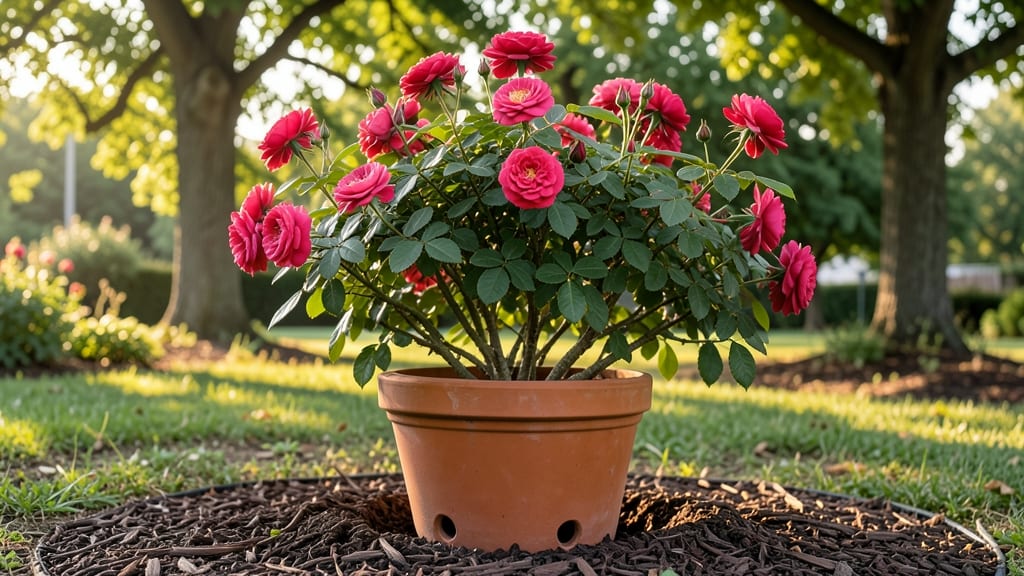
Growing patio roses in pots means fragrant blooms without the fuss of pruning every spring. 🌹 I've been growing roses in containers for years, and the secret isn't complicated—it's about the right pot, soil, and a few smart care habits that keep them thriving with minimal effort.
The best varieties for pots are compact types like 'David Austin' or 'Knock Out' roses, which stay small and bloom continuously. You'll need a pot at least 12 inches wide and deep, good drainage holes, and a mix of potting soil with compost for nutrients.
Watering is key—keep the soil moist but never soggy, and mulch the top to retain moisture. By summer, you'll have roses that perfume your patio with vibrant blooms all season long.
The plants stay healthy with just a little deadheading and occasional feeding, and you avoid the backbreaking work of in-ground pruning. Works for any patio, balcony, or sunny windowsill. Here's how to set them up for success!"
📚 In This Guide
- What you need
- Instructions
- Tips and common mistakes
- Wrapping up and next steps
What you need
- ● Patio Rose Bush: Choose disease-resistant varieties like 'Knock Out®', 'David Austin', or 'Earth-Kind' roses. Quantity: 1 per pot (or more for clustering!).
- ● Containers: Pots with drainage holes, 12–18 inches in diameter (bigger = happier roots!). Quantity: 1 per rose bush (or shared for dwarf varieties).
- ● Potting Mix: High-quality, well-draining blend (e.g., 50% garden soil + 50% perlite/vermiculite or pre-mixed rose-specific mix). Quantity: 1–2 bags (depending on pot size).
- ● Drainage Layer: Pebbles, gravel, or broken pottery (2–3 inches) to prevent root rot.
- ● Slow-Release Fertilizer: Balanced (10-10-10) or rose-specific granules. Quantity: 1 cup per pot.
- ● Watering Can or Hose: With a gentle spray nozzle for even hydration.
- ● Pruning Shears: Sharp, sterilized shears (or small bypass pruners).
- ● Mulch: Organic options like pine bark or shredded leaves (1–2 inches) to retain moisture.
- ● Support Stakes: Bamboo or metal stakes (6–12 inches tall) for climbing varieties.
- ● Epsom Salt: 1 tablespoon/month for magnesium boost (especially for yellowing leaves).
- ● Rose Food Spikes: Convenient monthly nutrients for lazy gardeners! 😉
- ● Self-Watering System: Drip irrigation or wicking pots for hands-off hydration.
- ● Decorative Accents: Moss, pebbles, or painted pots to elevate your patio vibe.
Step-by-Step guide to growing patio roses in pots
Here's how to keep your patio roses blooming beautifully with just a little care each season.
🪴 Step 1: Choose the Right Containers and Soil Mix
Pick containers with drainage holes that are at least 12-14 inches deep—roses need room for their roots to spread. I like large ceramic pots because they retain moisture well while still allowing airflow. For four roses, you'll need four containers of this size.
Use a high-quality potting mix that drains well but holds moisture. I blend mine with 20% perlite or pumice to improve drainage and add a handful of slow-release fertilizer at planting time. Fill each pot about 2/3 full with this mix, leaving room for the root ball.
🌱 Step 2: Select and Plant Bare-Root Roses
Choose patio rose varieties like 'Knock Out,' 'David Austin,' or 'Earth-Kind' roses—they're bred to thrive in containers. Look for healthy bare-root plants with 3-5 canes and no signs of disease. Soak the roots in water for 1-2 hours before planting to revive them.
Plant each rose so the graft union (the bulge near the base) sits 1-2 inches above the soil line. This prevents the plant from sending roots below the graft, which can weaken it. Space canes evenly around the pot and backfill with soil, pressing gently to remove air pockets.
☀️ Step 3: Position for Sunlight and Water Properly
Patio roses need 6-8 hours of direct sunlight daily. A south-facing patio gets the most blooms, but east or west works too. If your patio only gets partial sun, choose varieties like 'Iceberg' or 'Double Delight' that tolerate 4-6 hours of sun.
Water deeply 2-3 times per week until water runs out the drainage holes. Let the top 1-2 inches of soil dry out between waterings—overwatering is the fastest way to kill potted roses. Mulch the soil surface with 1 inch of bark mulch to retain moisture and keep roots cool.
✂️ Step 4: Prune for Health and Blooms
Prune your roses in early spring before new growth starts. Cut back last year's growth by 1/3 to encourage fresh, vigorous canes. Remove any dead, diseased, or crossing branches first—this keeps air circulating and prevents fungal issues.
After the first flush of blooms fades, trim back spent flowers by 1/4 inch above a leaf node. This encourages continuous blooming. I also pinch back any leggy growth that looks weak—it signals the plant is stretching for light and needs a better spot.
🌿 Step 5: Feed and Maintain for Long-Term Growth
Feed your roses every 4-6 weeks during the growing season with a balanced rose fertilizer (like 10-10-10). I mix it into the top inch of soil rather than using liquid fertilizer—it's less likely to burn roots. Stop fertilizing in late summer to let the plant prepare for dormancy.
Watch for pests like aphids or spider mites. A strong spray of water usually removes them, but for stubborn infestations, I use neem oil. Repot every 2-3 years to refresh the soil and give roots more space—spring is the best time to do this.
Tips & tricks for thriving potted roses
Here's what I've learned after keeping patio roses in pots for years—these little details make all the difference between struggling plants and showstopping blooms.
Container Depth Matters: While 12-14 inches is the minimum, I always go for 16-18 inches when possible. The extra depth gives roots more room to establish before they hit the pot's bottom. This is especially important for varieties like 'David Austin' roses that develop larger root systems. The deeper the pot, the more stable your plant will be in windy patio conditions too.
Soil Revival Trick: If you notice your potting mix compacting after a few seasons (it'll look denser and darker), don't just replace it all. Instead, remove the top 3-4 inches and replace it with fresh mix blended with that 20% perlite. This refreshes the root zone without disturbing the established roots below. I do this every spring as part of my maintenance routine.
Watering Wisdom: The "1-2 inches dry" rule works, but here's the secret: I actually check moisture by lifting the pot. If it feels noticeably lighter than when fully watered, that's your cue to water—no need to wait for the soil to dry completely. Heavy ceramic pots take longer to dry out than plastic ones, so adjust your watering schedule based on your container material too.
Pruning Shortcut: When you're cutting back last year's growth by 1/3 in Step 4, look for the strongest canes that grew outward from the center. These are your future blooming stems. I make a habit of marking them with a bright ribbon in spring so I don't accidentally prune them away later in the season.
Pro Tips for Patio Roses In Pots
- Here's what I've learned after keeping patio roses in pots for years—these little details make all the difference between struggling plants and showstopping blooms.
- Container Depth Matters: While 12-14 inches is the minimum, I always go for 16-18 inches when possible.
- Soil Revival Trick: If you notice your potting mix compacting after a few seasons (it'll look denser and darker), don't just replace it all.
Frequently asked questions
Got questions about growing patio roses in pots? You’re not alone! Here are answers to the most common queries to help you cultivate stunning, low-maintenance blooms with ease.
What’s the best pot size for patio roses?
For patio roses, aim for a pot at least 12–18 inches in diameter and depth. Larger pots (20+ inches) offer more stability and moisture retention, especially in hot climates. Ensure the container has drainage holes to prevent root rot—no one wants soggy roots!
When is the ideal time to plant patio roses in pots?
Plant in early spring (after the last frost) or early fall for best results. Avoid summer heatwaves, which can stress young roots. If repotting, do it in spring to encourage vigorous growth before blooming season.
How often should I water potted patio roses?
Water deeply 2–3 times per week (more in extreme heat). Check soil moisture—if the top inch feels dry, it’s time to water. Mulch the soil surface to retain moisture and reduce evaporation. Overwatering is a common mistake, so let the soil dry slightly between waterings.
Can I grow patio roses in pots without pruning?
While patio roses are low-maintenance, light pruning (removing dead or crowded stems) encourages healthier blooms. Skip heavy pruning, but trim back 1/3 of the plant in early spring to shape it and promote new growth. Think of it as a quick tidy-up, not a chore!
What pests should I watch for in potted patio roses?
Keep an eye out for aphids, spider mites, and Japanese beetles. Early signs include yellowing leaves or sticky residue. Neem oil or insecticidal soap works well for mild infestations. Inspect leaves regularly—prevention is easier than treating a full-blown pest party!
Wrapping up and next steps
Growing patio roses in pots is a rewarding way to enjoy their lush beauty and intoxicating fragrance without the heavy upkeep of traditional gardens. With the right container, soil, and minimal pruning, you’ll create a stunning focal point that thrives year after year.
Now that you’re armed with tips and answers to common questions, it’s time to roll up your sleeves and get planting! 🌸
Start by choosing your favorite variety, gather your supplies, and follow the steps with confidence. Before you know it, your patio will be a fragrant oasis—one bloom at a time. Happy gardening!