
Blooming
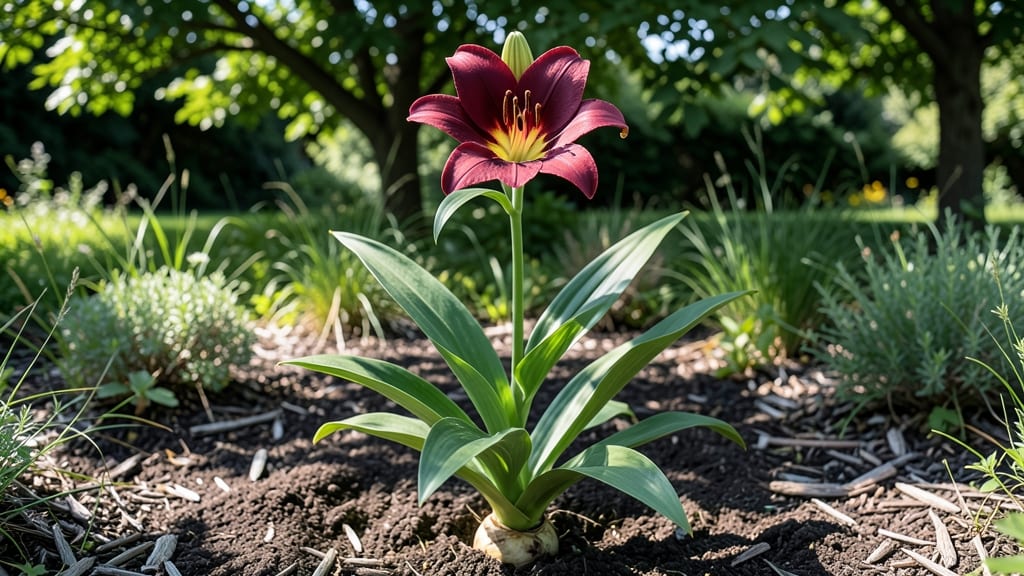
The oriental lily bloom time depends on heat triggers and your hardiness zone — and getting it right means the difference between a showstopping summer display and a season of disappointment.
If you’ve ever wondered why your oriental lilies bloom later than expected—or why some varieties flower in sweltering heat while others wait for cooler days—you’re not alone. These dramatic, fragrant flowers follow a precise heat-triggered schedule, but timing varies wildly by variety and climate zone.
In USDA Zone 6a, where spring planting kicks off in April–May, most oriental lilies like 'Stargazer' or 'Casa Blanca' burst into bloom between July and August. But in hotter zones, the heat can push blooms earlier, while cooler climates may delay them until late summer.
Here’s how to align your garden planning with their natural rhythm: from pairing them with seasonal companions to adjusting watering and fertilizing for peak performance, we’ll break down the science—and the shortcuts—so you never miss a single 🌸.
Oriental lily bloom time by variety: when to expect flowers based on heat tolerance
Oriental lilies are famous for their bold blooms and intoxicating fragrance, but their bloom timing depends heavily on variety-specific heat triggers. Some varieties burst into color when temperatures hit 80°F (27°C), while others wait until cooler 70°F (21°C) evenings.
Understanding these patterns helps you plan your garden for peak summer displays or adjust care for late-season blooms.
In USDA Zones 3-9, oriental lilies typically bloom between mid-July and late August, but exact timing shifts based on daytime highs, nighttime lows, and soil warmth.
For example, 'Stargazer' thrives in hot climates and may flower earlier, while 'Casa Blanca' prefers moderate heat and blooms later. Let’s break down the heat tolerance and bloom windows for top varieties to help you predict—and even influence—when your lilies will shine.
If you’re in USDA Zone 7 or higher, varieties like 'Stargazer' and 'Black Out' often bloom as early as late July because they thrive in heat. However, in Zones 3-5, cooler summers can delay blooms until mid-to-late August.
For example, 'Casa Blanca' may wait until September in northern climates but flower in August in southern regions.
To advance bloom time in cooler zones, plant bulbs in full sun and use black plastic mulch to warm the soil. In hot climates, provide afternoon shade to prevent heat stress and extend the bloom duration.
For instance, 'Pink Perfection' in Zone 9 may need dappled shade to avoid wilting before it even opens.
Another key factor is soil temperature. Oriental lilies need soil to reach 60°F (15°C) before they’ll bloom. In colder zones, wait until late spring to plant bulbs to ensure the ground warms enough.
In warmer zones, you can plant as early as early spring, but monitor for premature sprouting if frost is still a risk.
For longer bloom seasons, deadhead spent blooms to encourage reblooming, especially in heat-tolerant varieties like 'Black Out'. In cooler climates, focus on soil fertility—add compost or balanced fertilizer in early spring to give plants the energy they need to flower on time.
Pro tip: Track your local heatwave patterns. If temperatures spike
How heat and hardiness zones affect oriental lily bloom time: a gardener’s guide
Oriental lilies are famous for their late-summer blooms, but their exact timing depends heavily on temperature triggers and your USDA hardiness zone.
In warmer zones (8-9), these beauties often bloom as early as June, while in cooler zones (3-5), they may wait until August or September. The key lies in understanding how daytime heat and nighttime temperatures interact to signal flowering.
Nighttime temperatures play a surprising role—most oriental lilies need cooler evenings (60-65°F) after a period of consistent daytime heat (75°F+). This temperature shift acts like a biological switch, telling the plant it's time to bloom.
In Zone 9, where summer heat lingers, lilies may start blooming earlier, while Zone 5 gardeners might see delayed blooms until late summer when nights finally cool.
Heat waves can also advance or delay blooms unexpectedly. A prolonged 90°F+ stretch might trigger early flowering in heat-tolerant varieties like 'Black Out,' while heat-sensitive types like 'Casa Blanca' may skip blooming entirely if stressed. Understanding these patterns helps you time garden pairings and manage expectations for your specific climate.
| USDA Zone | Typical Bloom Window | Heat Trigger | Night Temp Need | Climate Note |
|---|---|---|---|---|
| 3-5 | Late August - September | 70-75°F daytime | 55-60°F | Cooler nights delay blooms |
| 6-7 | Mid-July - August | 75-80°F daytime | 60-65°F | Moderate heat works well |
| 8-9 | June - Early July | 80-85°F daytime | 65-70°F | Early blooms possible |
If you live in a hotter zone (8-9) and want to delay blooms for fall interest, try shading plants during peak afternoon heat or watering deeply to cool soil temperatures. Conversely, Zone 5-6 gardeners can advance blooms by planting heat-tolerant varieties in south-facing beds where they receive extra warmth.
Another trick is planting timing. In cooler zones, planting bulbs in early spring (rather than fall) gives them more time to establish roots before summer heat arrives.
This often results in earlier blooms the following year. For Zone 9, consider fall planting to let bulbs experience some winter chill before summer heat triggers blooms.
Remember that soil temperature matters too—oriental lilies prefer 60-65°F soil to bloom reliably. In extreme heat, mulch with straw or wood chips to keep roots cool.
By understanding these heat-zone interactions, you can predict bloom times with surprising accuracy and plan your garden around these stunning late-summer stars. 🌸