
Shrubs
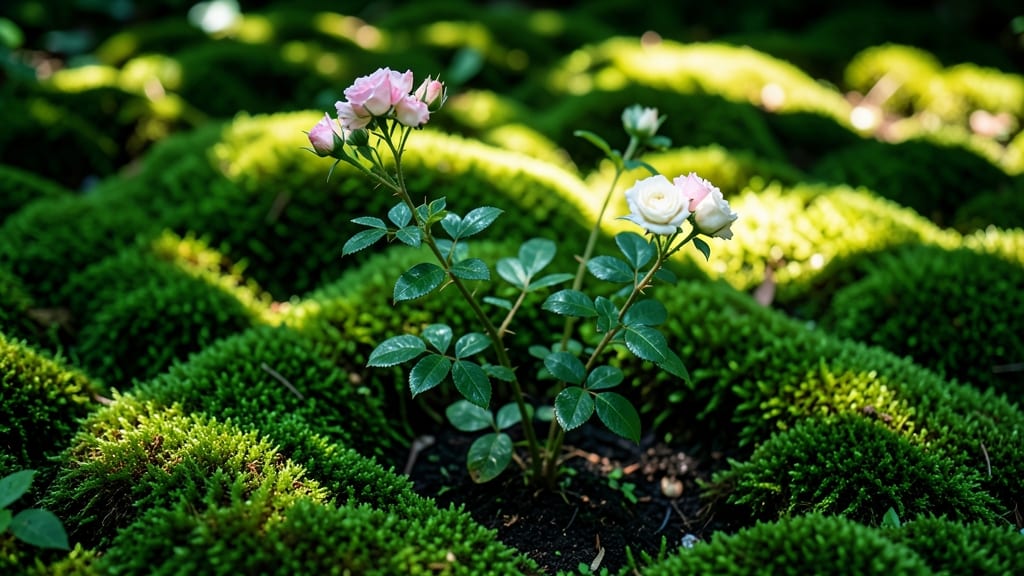
Moss roses nearby transform any space into a fragrant sanctuary. 🌿 Their delicate, velvety blooms and sweet citrusy scent make them perfect for containers, borders, or climbing trellises—no matter your garden style.
I’ve used them as a fragrant border along my patio, where their trailing vines spill over pots and create a living curtain. They pair beautifully with lavender, salvia, or even succulents, blending softness with structure.
The key is keeping them in well-draining soil and giving them morning sun—afternoon shade helps prevent wilting in hot climates. By summer’s end, you’ll have a vine-covered display that smells like a secret garden. The blooms last weeks, and the scent lingers long after the flowers fade.
Perfect for cottage gardens, desert landscapes, or even urban balconies. For best results, prune lightly after flowering to encourage bushier growth. They’re tough enough for beginners but elegant enough to impress any gardener—container or landscape.
📚 In This Guide
- What you need
- Instructions
- Tips and common mistakes
- Wrapping up and next steps
What you need
- ● Moss rose plants (Portulaca grandiflora): 3–5 healthy starter plants (choose varieties like 'Sunset' or 'Red Velvet' for vibrant blooms).
- ● Container: 1–2 medium-sized pots (10–12 inches in diameter) with drainage holes. Pro tip: Terracotta or fabric pots work best for airflow!
- ● Well-draining potting mix: 2–3 cubic feet of a lightweight blend (e.g., 60% cactus/succulent mix + 40% perlite or coarse sand).
- ● Slow-release fertilizer: 1–2 tablespoons of balanced 10-10-10 granules mixed into the soil.
- ● Gravel or pebbles: ½ cup for the container’s drainage layer.
- ● Gloves and trowel: For planting and soil handling.
- ● Watering can with a fine rose nozzle: To avoid disturbing the soil.
- ○ Pruning shears (optional): For trimming leggy stems after planting.
- ○ Decorative mulch (optional): ¼ cup of colored pebbles or bark to enhance aesthetics.
- ○ Sunlight tracker (optional): To monitor 4–6 hours of direct sun daily.
Step-by-step instructions for growing moss roses in containers
Here's how to cultivate these fragrant, trailing beauties that'll spill over your patio edges like a living carpet.
🪴 Step 1: Choose the Right Containers and Drainage
Moss roses thrive in hanging baskets or window boxes with multiple drainage holes—they hate soggy roots. I use 10-12 inch diameter containers for each plant, since their vines can stretch 3-5 feet long. Terra cotta works best because it breathes and prevents root rot, but plastic containers with extra drainage holes will do in a pinch.
Line the bottom with 1-2 inches of gravel or broken pottery shards to create a reservoir for excess water. This prevents roots from sitting in water while still allowing drainage. If your container has only one drainage hole, drill 2-3 additional holes around the sides to ensure proper airflow. The goal is to mimic their natural habitat—well-drained, slightly acidic soil that never stays waterlogged.
🌱 Step 2: Prepare Light, Airy Soil Mix
Fill your containers with a custom soil blend that mimics the mossy, well-draining conditions moss roses love. Start with 2 parts peat moss or coconut coir, 1 part perlite, and 1 part sand—this creates the loose, airy texture their delicate roots crave. I also mix in a handful of orchid bark for extra drainage and a sprinkle of sphagnum moss to hold moisture without suffocating roots.
Moisten the mix with lukewarm water until it feels like a damp sponge—not dripping, but evenly damp throughout. Avoid compacting the soil as you fill the container; instead, gently press it down just enough to hold the plant in place. The soil should crumble easily when squeezed, with no clumps forming. This ensures roots can spread freely without struggling for oxygen.
☀️ Step 3: Plant and Position for Bright, Indirect Light
Gently remove the moss rose from its nursery pot and loosen the roots if they're circling tightly. Place the plant in the center of your container, ensuring the top of the root ball sits just below the rim—this prevents soil from spilling out as the vines grow. Fill in around the roots with your prepared soil mix, pressing lightly to eliminate air pockets.
Moss roses love bright, indirect light—think east or west-facing windows or a shaded patio. Too much direct sun will scorch their delicate leaves, while too little light makes the vines grow leggy and sparse. You'll know you've got the light right when the leaves stay deep green and the vines produce new growth consistently. If you notice leaves yellowing or stretching toward the light, it's time to adjust the position.
💧 Step 4: Water and Mist for Humidity
Water your moss rose thoroughly until water drains freely from the bottom of the container. Let it sit for 10-15 minutes, then empty any excess water from the saucer to prevent root rot. Moss roses prefer consistently moist but never soggy soil—think of it like a well-wrung sponge. I water mine every 2-3 days in summer, but adjust based on how quickly the top ½ inch of soil dries out.
These vines also love high humidity—mimic their natural mossy habitat by misting the leaves daily with room-temperature water. A pebble tray filled with water under the container adds extra moisture without overwatering. You'll see the difference in shiny, vibrant leaves rather than dull, crispy ones. If the tips of the leaves start browning, that's your sign to increase humidity immediately.
✂️ Step 5: Prune and Encourage Bushy Growth
Pinch back the tips of new growth when vines reach 6-8 inches long to encourage bushier, fuller plants. This is where the magic happens—pruning at the right time triggers the plant to branch out instead of growing long, sparse stems. Use clean, sharp scissors to snip just above a leaf node, and don't worry if it looks messy at first. The plant will thank you with more flowers and lush foliage.
Deadhead spent flowers by snipping the stem back to the nearest leaf or bud. This redirects the plant's energy into producing new blooms rather than seeding. I also trim back any overly leggy or bare stems in early spring to refresh the plant. The key is to prune regularly but lightly—moss roses respond best to gentle encouragement rather than aggressive cutting. You'll know you're doing it right when the plant fills out quickly and produces fragrant blooms consistently.
Tips & tricks for growing thriving moss roses in containers
These simple but game-changing tips will help you create the perfect conditions for your fragrant vines to flourish like a living carpet.
Container Selection Trick: For maximum airflow, choose containers with at least 4 drainage holes—this prevents that dreaded root rot while keeping soil breathable. I've found that terra cotta pots with built-in saucers (that lift the pot off the saucer) work wonders. If you're using plastic, add those extra holes around the sides as mentioned, but space them evenly—don't cluster them all on one side, or you'll create dry spots where roots won't grow.
Soil Mix Secret: The 2:1:1 ratio of peat moss/coco coir to perlite to sand is perfect, but here's what nobody tells you—your orchid bark should be chopped into ½-inch pieces, not left in large chunks. Smaller pieces break down more evenly, creating micro-pores that hold just the right amount of moisture. When mixing, think "fluffy cloud" texture—you should be able to see light through it when held up to a window.
Light Positioning: That bright, indirect light is crucial, but timing matters too. In summer, move your containers 1-2 feet away from south-facing windows by midday to prevent scorching. I use a simple trick: if you can see your shadow cast directly onto the leaves at noon, it's too much direct sun. For indoor growers, a grow light on a timer (12-14 hours daily) works beautifully when natural light is insufficient.
Watering Wisdom: After that initial 10-15 minute drainage period in Step 4, here's the follow-up: water again only when the top ½ inch feels completely dry to the touch. I test this by sticking my finger in—if it comes out clean, it's time. For summer heatwaves, I increase misting to twice daily and place a damp towel over the container for 10 minutes in the morning. The goal is to keep leaves hydrated without drowning the roots.
Pro Tips for Moss Rose Nearby
- These simple but game-changing tips will help you create the perfect conditions for your fragrant vines to flourish like a living carpet.
- Container Selection Trick: For maximum airflow, choose containers with at least 4 drainage holes—this prevents that dreaded root rot while keeping soil breathable.
- Soil Mix Secret: The 2:1:1 ratio of peat moss/coco coir to perlite to sand is perfect, but here's what nobody tells you—your orchid bark should be chopped into ½-inch pieces, not left in large chunks.
Frequently asked questions
Got questions about growing moss rose (Portulaca grandiflora) nearby in containers? Here are some common ones—and their answers—to help you thrive with these vibrant, low-maintenance beauties:
What’s the best way to plant moss rose near other container plants without overcrowding?
Moss rose thrives in full sun and well-draining soil, so plant it in a separate container or at the edges of shared pots. Use 4–6 inch spacing between plants to avoid competition. If sharing, opt for shallow-rooted companions like snapdragons or marigolds.
How quickly will moss rose grow and bloom after planting?
Expect fast growth—moss rose can sprout in 1–2 weeks and bloom in 4–6 weeks if planted in warm soil (60°F+). For year-round blooms, deadhead spent flowers and replant seeds every 2–3 months in warm climates.
Can moss rose survive winter in containers? If not, what’s the best alternative?
Moss rose is annual in cold climates—it dies with frost. For winter interest, swap it with pansies or heuchera in containers. In USDA Zones 9–11, mulch heavily or grow it as a tender perennial with winter protection.
Why are my moss rose leaves turning yellow, and how do I fix it?
Yellow leaves usually mean overwatering or poor drainage. Let soil dry completely between waterings and use a cactus/succulent mix with perlite. If roots smell rotten, repot in fresh, dry soil. Pro tip: Moss rose loves heat—avoid soggy soil in cool weather!
How can I keep moss rose blooms vibrant and prevent them from fading?
For long-lasting color, fertilize lightly with balanced 10-10-10 every 3–4 weeks and deadhead spent blooms daily. Grow in bright, direct sun (6+ hours) and avoid high-nitrogen fertilizers, which promote foliage over flowers.
Wrapping up and next steps
Bringing the delicate charm of a moss rose nearby into your space is easier than you think! These fragrant vines thrive in containers, offering a burst of color and sweet scent with minimal effort.
Whether you’re a seasoned gardener or just starting out, their low-maintenance nature makes them the perfect addition to patios, balconies, or even indoor spots.
Ready to transform your green thumb into a fragrant thumb? 🌿 Start small—pick a sunny spot, grab your supplies, and let these vines work their magic. Your future self (and your nose!) will thank you.
Next step: Plant one today and enjoy the sweet rewards of a moss rose’s blooms and aroma!