
Blooming
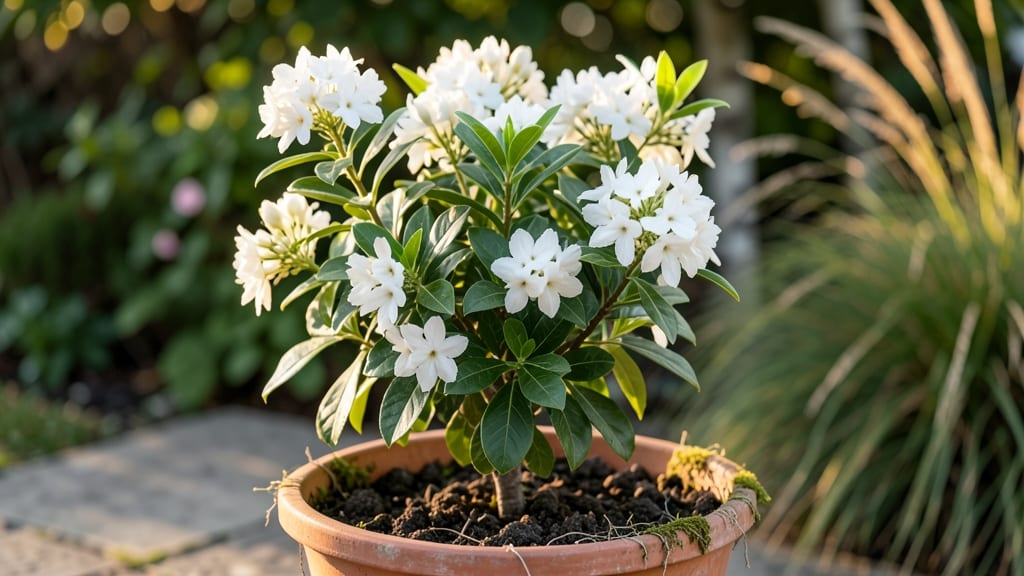
The mock orange bloom time you’re waiting for typically arrives between late spring and early summer 🌸, but the exact timing depends on where you live and how you care for it.
Picture this: your garden is still quiet in May, then—poof—suddenly the air is thick with that intoxicating citrusy scent. That’s the magic of Philadelphus in full swing, and getting the timing right means you’ll never miss a single fragrant spike.
In most USDA zones, including 6a, blooms appear around late May to June, but cooler regions like the Pacific Northwest may see them as late as July. Meanwhile, Southern gardens can enjoy earlier displays in April, especially with the right sunlight and soil prep.
Below, I’ll break down the zone-by-zone calendar for mock orange blooms, plus pro tips to nudge your shrub into flowering earlier—or hold onto those blooms longer for a show-stopping display.
Mock orange bloom time by USDA hardiness zones: exact months for fragrant spikes
Timing the mock orange bloom (Philadelphus spp.) depends heavily on your USDA hardiness zone, with variations of up to 6 weeks between northern and southern climates.
In Zone 3, expect delicate white flower spikes to appear as early as late May, while Zone 8 gardeners often enjoy blooms from March through June. Understanding these patterns helps you plan companion plants and maximize fragrance impact in your landscape.
The three most popular varieties—Philadelphus coronarius, lewisii, and microphyllus—each have slightly different bloom windows. Coronarius typically blooms 2-3 weeks earlier than the others, while lewisii often produces larger, more abundant flowers but may bloom 1-2 weeks later.
Microclimates, like urban heat islands or coastal breezes, can further shift these timelines by 10 days or more.
Climate factors like chill hours and spring warmth trigger blooming. Mock orange requires 400-800 chill hours below 45°F to break dormancy, which explains why Zone 7 plants often bloom 3-4 weeks earlier than those in Zone 5. Meanwhile, early spring warmth can advance blooms by 2 weeks, while late frosts may delay them until June.
In Zone 3-4, mock orange often blooms 4-6 weeks later than in Zone 7, making it crucial to choose cold-hardy varieties like Philadelphus microphyllus. These northern gardens benefit from early spring mulching to protect roots and delayed pruning until after blooms appear.
Meanwhile, Zone 9-10 gardeners may see two bloom cycles: one in spring and another in fall, especially with lewisii varieties.
Regional variations can shift bloom times significantly. For example, Pacific Northwest gardens in Zone 7 often bloom 2 weeks earlier than those in Midwest zones due to cooler, wetter springs. Conversely, Southern California (Zone 9) may experience February blooms if winters are mild. To predict your local bloom time, track the last average frost date and add 6-8 weeks for most varieties.
If your mock orange blooms late or not at all, check these common issues: over-pruning (cut after blooms), poor soil drainage, or insufficient sunlight. Philadelphus thrives in morning sun with afternoon shade, and well-draining soil prevents root stress.
Amending clay soil with compost or sand can improve bloom timing by 2-3 weeks in heavy soils.
For earlier blooms, prune in late winter (before buds swell) and apply a balanced fertilizer (10-10-10) in early spring. Avoid heavy nitrogen, which promotes foliage over flowers. In Zone 5-6, winter mulch (4-6 inches) insulates roots and can advance blooms by 10 days.
Conversely, late pruning (after June) may delay next year’s flowers by 3-4 weeks.
Pairing mock orange with complement
How to predict and adjust mock orange bloom time: proven techniques for gardeners
The mock orange bloom time isn't set in stone—it's something you can influence with the right techniques. By understanding how light exposure, soil conditions, and pruning timing affect flowering, you can coax your Philadelphus to bloom earlier for spring weddings or delay it for summer color.
The key is knowing when to act and what to avoid.
Most mock orange varieties bloom between late May and July, but with adjustments, you can shift this window by 2-4 weeks. For example, 'Valley Sun' tends to flower slightly earlier than 'Manteau d'Hermine', but both respond well to targeted care.
Let's explore the proven methods to fine-tune your plant's schedule.
Cut back 1/3 of old wood in February-March to encourage new growth and earlier blooms. Avoid heavy pruning after June 15, as it removes next year's flower buds.
Place your mock orange in 4-6 hours of morning sun to extend the bloom season. Afternoon shade prevents heat stress, which can delay flowering.
Test your soil and amend with lime for acidic or sulfur for alkaline soils. Ideal pH ensures nutrient uptake, which directly impacts bloom timing.
Add 3-4 inches of mulch in November to insulate roots. This protects against frost heave and shock, helping buds form earlier in spring.
Too much nitrogen (NPK 10-10-10) promotes foliage over flowers. Use a low-nitrogen fertilizer in early spring to encourage blooms, not leaves.
One common mistake gardeners make is pruning at the wrong time. If you cut back mock orange in late summer or fall, you remove next year's flower buds, delaying blooms by up to 6 weeks. Always prune right after flowering or in late winter for best results.
For later blooms, reduce sunlight slightly by adding shade cloth or moving the plant to a west-facing spot. This tricks the plant into thinking it's later in the season, pushing back flowering by 2-3 weeks. Pair this with light feeding in early June to extend the season.
Monitor your mock orange's leaf color and growth rate—healthy plants with dark green leaves and vigorous stems will bloom more reliably. If you notice yellowing leaves or sparse buds, it's a sign of stress, often from poor drainage or overwatering. Adjust care immediately to restore bloom potential.