
Pruning
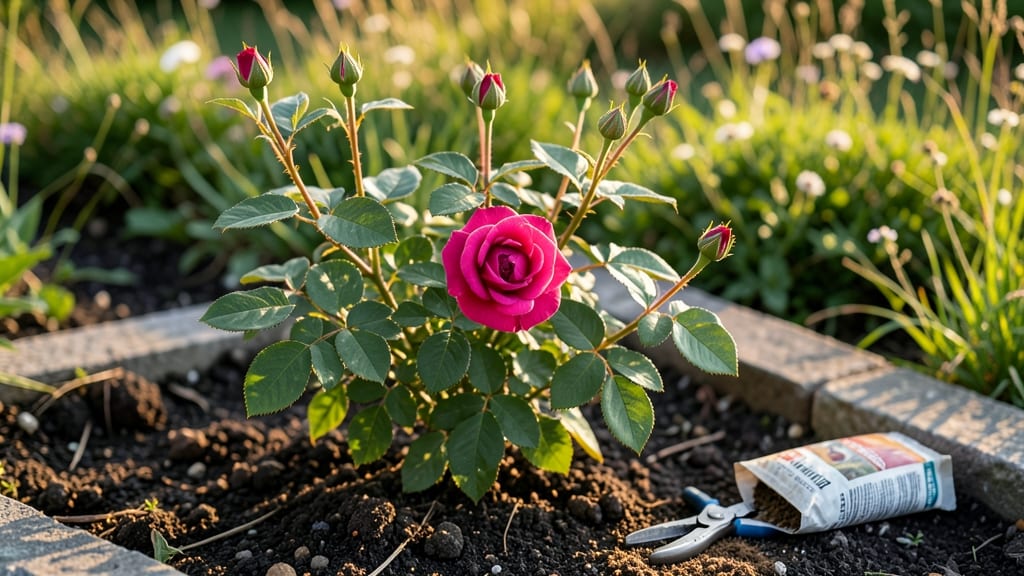
"Miracle on the Hudson" rose bush turns your garden into a fragrant cloud every summer. 🌹 Honestly, I planted mine three years ago after reading about its legendary disease resistance and that intoxicating scent—like walking through a greenhouse in June. The first time I brushed past it, I stopped dead in my tracks: that perfume hit me like a memory I couldn’t place. This isn’t your average rose. While others struggle with black spot or mildew, "Miracle on the Hudson" thrives in full sun to partial shade and handles poor soil better than most. The secret? Pruning it right in early spring—cutting back 1/3 of last year’s growth opens the plant up for air circulation, which keeps those blooms coming nonstop. I’ve seen neighbors’ roses give up by August; mine still bursts with color through September. What you’ll end up with is a bush so lush it looks like a living centerpiece, with blooms that smell like a mix of old-fashioned garden roses and citrus. The fragrance lingers on your clothes, and bees go crazy for it. The only catch? You’ve got to prune it twice a year—once in late winter and again after the first flush of blooms—to keep it from getting leggy. Works in zones 3-9, handles drought once established, and even tolerates urban smog. Here’s how to make it yours—without the usual rose drama.
📚 In This Guide
- What you need
- Instructions
- Tips and common mistakes
- Wrapping up and next steps
What you need
- ● Pruning shears: Bypass pruners (sharp, clean, and disinfected with rubbing alcohol or bleach to prevent disease). Quantity: 1 pair.
- ● Hand pruners: For smaller stems or tight spaces. Quantity: 1 pair.
- ● Loppers: For thicker branches (½"–1" diameter). Quantity: 1 pair.
- ● Garden gloves: Heavy-duty, cut-resistant (to protect from thorns!). Quantity: 1 pair.
- ● Disinfectant solution: 1 part bleach to 9 parts water (for sterilizing tools between cuts). Quantity: Small spray bottle or container.
- ○ Pruning sealant (optional but helpful): Pruning wax or tree paint to coat larger cuts (prevents disease). Quantity: Small jar.
- ● Garden twine or rubber bands: For tying down heavy branches if needed. Quantity: 1 roll.
- ● Garden bag or bucket: For collecting pruned debris. Quantity: 1 medium-sized.
- ○ Notebook & pencil: To sketch your rose bush’s shape before pruning (optional but highly recommended for beginners!). Quantity: 1.
- ● Timing: Prune in early spring (just before new growth) or late winter for best results. Avoid pruning after the first flush of blooms!
- ● Weather: Choose a dry, overcast day to reduce stress on the plant. Wet tools + fresh cuts = fungal risks! ☔❌
- ● Safety first: Wear long sleeves/pants to avoid thorn pricks. Miracle on the Hudson roses are thorny—no exceptions!
- ● Tool sharpening: Dull shears = jagged cuts = stress on the plant. Sharpen blades before you start.
Step-by-Step pruning for nonstop blooms on your Miracle on the Hudson rose
Here's how to keep your rose bush bursting with fragrance all season long.
🌿 Step 1: Time Your First Pruning for Late Winter
Wait until your last frost date has passed and new growth begins—usually 4-6 weeks before your first warm spell. This timing ensures you're not cutting back into dormant wood too early. Look for swollen buds along the stems; these signal the plant's readiness to wake up and grow.
Grab your pruning shears and clean them with rubbing alcohol to prevent spreading disease. I like to sterilize them between each cut on a rose bush—it keeps everything healthy. Start by removing any dead, diseased, or crossing branches first. These are your priority because they're either dead weight or competing for energy with the rest of the plant.
✂️ Step 2: Shape for Airflow and Light Penetration
Step back and visualize the bush as an open vase shape. The goal is to create a rounded form with space between branches so air can circulate freely. This prevents fungal diseases like black spot that thrive in damp, shaded conditions. Cut back branches that grow inward to eliminate crowding.
Make your cuts just above an outward-facing bud, about ¼ inch above. This ensures the new growth will angle outward, maintaining that open vase shape. For thicker stems, cut at a 45-degree angle to prevent water from pooling on the wound. You'll know you're doing it right when the bush looks balanced and every branch has room to breathe.
☀️ Step 3: Encourage Continuous Blooming Through Strategic Cuts
For nonstop blooms, focus on cutting back to 3-5 strong buds on each remaining stem. This stimulates the plant to produce multiple flushes of flowers throughout the season. Avoid cutting back too severely—never more than ⅓ of the plant's total height in one pruning session.
Watch for new growth emerging from those buds within 2-3 weeks. This is your signal that the pruning worked. Once you see fresh green leaves unfurling, you can apply a balanced rose fertilizer to support this new growth. The key here is patience—rushing the process can stress the plant and delay blooming.
🌱 Step 4: Maintain Through the Growing Season
After the initial spring pruning, make it a habit to check your rose bush weekly. Remove any spent blooms by cutting back to the nearest five-leaflet leaf. This practice, called deadheading, redirects the plant's energy from seed production to creating more flowers. You'll notice within days that new buds begin forming where you made the cut.
In late summer, give your rose bush a light trim to remove any leggy growth or branches that aren't producing. This keeps the plant compact and encourages one final flush of fall blooms. Avoid heavy pruning after mid-summer—it can stimulate tender new growth that won't survive frost.
⏰ Step 5: Prepare for Winter Dormancy
When temperatures consistently drop below 50°F at night, it's time to wrap up the season. Remove any remaining dead or diseased growth, then give the bush one final light pruning to clean up the shape. Cut back any branches that grew excessively during the season to maintain that open vase form.
Apply a thick layer of mulch around the base of the plant to protect the roots from freezing temperatures. I like to use 3-4 inches of organic mulch like shredded bark or straw. This insulating layer helps regulate soil temperature and retains moisture during winter months. Your rose will thank you next spring with vigorous new growth and even more fragrant blooms.
Tips & tricks for perfect rose bush pruning
Here's what nobody tells you about keeping your rose bush thriving and fragrant all season.
Timing is Everything: The 4-6 week window before your first warm spell is critical—this ensures you're not cutting back into dormant wood too early. If you're unsure about your last frost date, check your local weather service or plant a few test plants in nearby areas to gauge when new growth begins. Trust me on this: pruning too early can shock your rose bush and set back blooming by weeks.
Tool Preparation Matters: Sterilizing your pruning shears between each cut is non-negotiable for disease prevention. I keep a small bottle of rubbing alcohol in my gardening toolkit specifically for this purpose. Sharp tools make cleaner cuts that heal faster, so take a minute to sharpen your blades before you start—it's worth the effort to prevent jagged wounds that invite pests and disease.
Visual Cues for Perfect Cuts: When cutting back to 3-5 strong buds in Step 3, look for buds that are plump and facing outward. These will grow into branches that maintain your rose's open vase shape. A good rule of thumb is to make your cut just above the bud at a 45-degree angle—this prevents water from pooling and creates a larger surface area for faster healing. The goal is to visualize where each new branch will grow before you make the cut.
Seasonal Maintenance Strategy: The weekly deadheading habit mentioned in Step 4 is your secret weapon for continuous blooms. Set a reminder on your phone if needed—consistency is key. In late summer, that light trim isn't just about aesthetics; it's about redirecting the plant's energy to produce one final flush of fall blooms. Think of it as giving your rose bush a gentle nudge to keep producing rather than focusing on seed production.
Pro Tips for Miracle On The Hudson Rose Bush
- Here's what nobody tells you about keeping your rose bush thriving and fragrant all season.
- Timing is Everything: The 4-6 week window before your first warm spell is critical—this ensures you're not cutting back into dormant wood too early.
- Tool Preparation Matters: Sterilizing your pruning shears between each cut is non-negotiable for disease prevention.
Frequently asked questions
When is the best time to prune this rose bush for maximum blooms?
The ideal time to prune Miracle on the Hudson is late winter or early spring (just before new growth starts) and again after the first flush of blooms in late spring. Avoid heavy pruning in fall—it can stimulate tender growth that won’t survive winter. Light shaping in summer keeps it tidy without stressing the plant.
How much should I cut back? What if I prune too much?
Aim to remove 1/3 of the plant’s height in late winter, focusing on dead, crossing, or weak stems. If you prune too aggressively, you might reduce blooms that season—but don’t worry! This rose is forgiving. For a second flush of blooms, trim lightly after the first wave fades. Pro tip: Never cut into old wood (woody stems)—stick to live, green canes!
My rose bush isn’t blooming as much as expected. What could be wrong?
Several factors might be at play:
- Over-fertilizing with high nitrogen (promotes leaves, not flowers). Switch to a balanced rose fertilizer (like 10-10-10) or a bloom booster.
- Poor sunlight—this rose needs 6+ hours of direct sun daily. If shaded, move it or prune nearby trees/shrubs.
- Stress from pests/disease (like black spot or aphids). Inspect leaves and treat with neem oil or fungicide if needed.
- Dormant season pruning (fall/winter cuts can delay blooms). Stick to the late winter/early spring schedule!
Give it time—some bushes need 2–3 years to fully establish their blooming rhythm!
Do I need special tools to prune this rose? Can I use regular garden shears?
While you can use basic hand pruners, bypass pruners (with sharp, clean blades) are ideal for clean cuts. For thicker stems (over ½ inch), grab loppers or a pruning saw. Sterilize tools with rubbing alcohol between cuts to prevent disease spread. Pro tip: Sharpen blades annually for precise cuts that heal faster!
Can I propagate cuttings from my Miracle on the Hudson rose bush?
This rose is easy to propagate from semi-hardwood cuttings (taken in late summer):
- Cut 4–6 inch stems just below a leaf node.
- Remove lower leaves and dip in rooting hormone.
- Plant in a mix of perlite and potting soil, keep moist, and place in bright, indirect light.
- Roots should form in 4–6 weeks!
Perfect for sharing with fellow rose lovers—or expanding your garden!
Wrapping up and next steps
The Miracle on the Hudson rose bush proves that with the right care—especially pruning—you can enjoy nonstop, fragrant blooms all season long. 🌹 By mastering timing, tools, and techniques, you’re not just trimming branches; you’re shaping a healthier, more vibrant plant that rewards your effort with beauty and fragrance.
Ready to transform your garden? Start by booking a pruning session or grabbing your tools—your rose bush is waiting for its miracle! 🌿