
Pruning
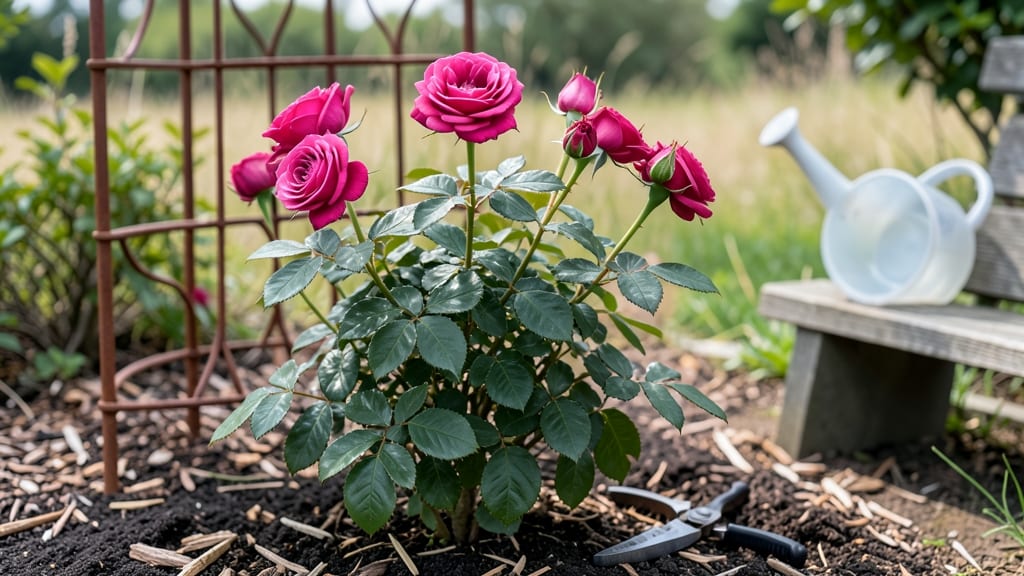
Miniature tea roses deliver jewel-toned blooms on a tiny scale, and they’re easier to grow than you’d think—if you know the tricks. 🌸 I’ve grown these delicate beauties for years, and their compact size makes them perfect for containers, borders, or even window boxes.
The secret to their nonstop blooms? Two strategic pruning sessions that keep them lush and productive all season.
Start with well-draining soil and a spot that gets at least 6 hours of sunlight daily—they’re not fussy about heat, just consistent light. Plant them in spring after the last frost, spacing them 12-18 inches apart to allow airflow.
Overcrowding leads to mildew, and nobody wants that ruining their tiny roses. Feed them with a balanced fertilizer every 4-6 weeks during growing season, and you’ll see those blooms come back faster than you can say “pruning time.”
That’s right—two prunes a year are all it takes. First, in early spring, cut back any dead or weak stems to encourage fresh growth. Then, in late summer, give them a light trim to promote another flush of blooms before winter.
Keep them compact and bushy, and they’ll reward you with continuous color from spring to frost. The key is sharp pruners and clean cuts—no jagged edges that invite pests.
Watch for black spot and aphids, which love these roses too. A quick spray of neem oil or insecticidal soap keeps them at bay. In winter, mulch around the base to protect roots, and you’ll have healthy plants ready to burst into bloom as soon as spring arrives.
These roses are the ultimate low-maintenance showstoppers—just give them light, love, and a little snip now and then.
📚 In This Guide
- What you need
- Instructions
- Tips and common mistakes
- Wrapping up and next steps
What you need
- ● Miniature tea rose plants: Choose disease-resistant varieties like 'Fairy’ or 'Pinkie.’ Buy 3–5 bare-root plants or potted specimens.
- ● Well-draining soil: Mix 60% garden soil with 40% compost or a rose-specific potting mix (avoid clay-heavy soil).
- ● Sunlight: A south-facing location with 6+ hours of direct sunlight daily (miniature roses thrive in full sun!).
- ● Pruning tools: 1 pair of bypass pruners (sharp, clean, and sterilized with rubbing alcohol).
- ● 1 pair of long-handled loppers (for thicker canes, if needed).
- ● Mulch: 2–3 inches of organic mulch (e.g., shredded bark or straw) to retain moisture and insulate roots.
- ● Watering can or hose: With a gentle spray nozzle to avoid damaging delicate blooms.
- ● Fertilizer: A balanced rose fertilizer (10-10-10) or organic options like fish emulsion or worm castings.
- ● Rose food: Epsom salt (1 tbsp per gallon of water) for magnesium boosts during blooming season.
- ● Support structures: Small cage trellises or miniature rose arches to train climbing varieties.
- ● Pest control: Neem oil or insecticidal soap for aphids/mites (common in miniature roses!).
- ● Gloves: Lightweight gardening gloves to protect hands from thorns.
Step-by-Step guide for planting miniature tea roses
Here’s how to get your miniature tea roses thriving with vibrant blooms all year—no green thumb required.
🌱 Step 1: Choose the Perfect Spot for Sun and Airflow
Miniature tea roses need 6+ hours of direct sun daily—they won’t bloom well in shade. Pick a location with morning sun and afternoon shade if you live in a hot climate, like a patio near a south-facing wall. Avoid low spots where cold air settles in winter, as these roses are tender to frost.
Check for airflow too—crowded spaces invite fungal diseases. If planting near other plants, leave 12-18 inches of space around each bush. I like to test spots by placing a small stake where the plant will go; if it stays dry after a rain, that’s a good sign the area drains well.
🪴 Step 2: Prepare the Soil for Healthy Roots
Miniature tea roses thrive in well-draining soil with a slightly acidic pH (around 6.0-6.5). Mix 1 part compost into 2 parts native soil to improve fertility without compacting roots. If your soil is heavy clay, add 1 part perlite or coarse sand to break it up.
Dig a hole twice as wide as the root ball but no deeper—planting too deep suffocates the roots. Loosen the roots gently if they’re circling the pot, then place the rose in the hole so the graft union (a slight bump near the base) sits 1 inch above soil level. This prevents water from pooling and rotting the stem.
☀️ Step 3: Plant and Water for Immediate Stability
Fill the hole with soil, pressing lightly around the roots to remove air pockets. Water deeply until moisture reaches 6 inches down—you’ll see the soil settle slightly. Mulch with 2-3 inches of organic mulch (like shredded bark) to retain moisture and protect roots from temperature swings.
Don’t fertilize right away—wait 4-6 weeks to let roots establish. You’ll know it’s working when new growth appears within 2-3 weeks. If leaves yellow, your soil might be too alkaline; add a bit of sulfur to adjust the pH over time.
✂️ Step 4: Prune for Year-Round Blooms
First trim in early spring: cut back 1/3 of the oldest stems to encourage new growth. Remove any dead or crossing branches—this improves airflow and flower production. For miniature tea roses, aim to keep the bush 12-18 inches tall; they’ll stay compact and bushy with regular pruning.
Do a second light trim in late summer after the first flush of blooms fades. Cut back just enough to shape the plant and remove spent flowers—this triggers more blooms before winter. Deadhead regularly too; pinched blooms mean fewer flowers overall.
💧 Step 5: Maintain Water and Fertility for Continuous Blooms
Water deeply 2-3 times per week (more in extreme heat), aiming for 1 inch of water per week. Let the top 1-2 inches of soil dry between waterings—overwatering is the #1 killer of miniature roses. Use a soaker hose or drip irrigation to keep leaves dry and prevent fungal diseases like black spot.
Feed every 4-6 weeks with a balanced rose fertilizer (like 10-10-10) during growing season. Stop fertilizing in late summer to harden off the plant for winter. In colder climates, wrap the base with burlap or use a rose cone to protect from frost—miniature roses are delicate but reward patience with nonstop color.
Tips & tricks for perfect miniature tea roses
These simple strategies will help you avoid common pitfalls and get the most vibrant blooms from your delicate roses.
Sunlight Strategy: In Step 1, if you're planting in a hot climate, position your roses where they get morning sun and afternoon shade. I've seen roses in full afternoon sun get sunburned leaves—it's worth testing spots with a small stake to see which stays dry after rain. This ensures proper drainage too, which is critical for these tender plants.
Soil Prep Secret: When mixing your soil in Step 2, don't skip the perlite or sand if you have heavy clay. I learned this the hard way—my first attempt with just compost and native soil led to waterlogged roots. The 1:2 compost-to-soil ratio is perfect, but adjust for your local soil type. Always check the graft union sits 1 inch above soil level—this small detail prevents rot that can kill your plant.
Watering Wisdom: In Step 3, that 6-inch deep watering is more important than you might think. Use a moisture meter or stick your finger down to check—if it's dry at 6 inches, water again. The 1-2 inch dry top layer between waterings keeps roots healthy without inviting fungal problems. A soaker hose makes this easy and keeps leaves dry, which prevents black spot disease.
Pruning Precision: For Step 4, when cutting back 1/3 of oldest stems in spring, make clean cuts at 45-degree angles just above outward-facing buds. I always sanitize my pruners with rubbing alcohol between cuts to prevent spreading disease. The 12-18 inch height target keeps them manageable while encouraging bushy growth—don't let them get leggy!
Pro Tips for Miniature Tea Roses
- These simple strategies will help you avoid common pitfalls and get the most vibrant blooms from your delicate roses.
- Sunlight Strategy: In Step 1, if you're planting in a hot climate, position your roses where they get morning sun and afternoon shade.
- Soil Prep Secret: When mixing your soil in Step 2, don't skip the perlite or sand if you have heavy clay.
Frequently asked questions
Got questions about keeping your miniature tea roses blooming beautifully? We’ve got answers!
Whether you’re a newbie gardener or a seasoned pro, these FAQs will help you troubleshoot, plan, and enjoy your tiny but mighty roses all year round.
How often should I prune miniature tea roses for continuous blooms?
Prune your miniature tea roses twice a year: once in early spring (just before new growth starts) to shape the plant, and again in late summer/early fall (after the second flush of blooms) to encourage winter blooms. Light trims between flushes (removing spent blooms) keep them tidy and productive!
Do miniature tea roses need winter protection?
Yes! While hardier than hybrid teas, they still benefit from mulching (3–4 inches of straw or shredded leaves) and light frost cloth in harsh winters (Zones 6–8). Avoid heavy pruning in fall—wait until spring to revive growth. Pro tip: Remove mulch in early spring to prevent rot.
Can I grow miniature tea roses in containers?
They thrive in 5–10 gallon pots with well-draining soil and regular watering. Use a trellis or obelisk for support, and fertilize every 2–3 weeks during growing season. Just ensure containers get 6+ hours of sunlight daily—they’re sun-worshippers!
Why aren’t my miniature tea roses blooming?
Common culprits: over-pruning (leave 3–5 buds per stem), poor sunlight (they need full sun!), or nutrient deficiencies. Check for pests like aphids or black spot too—treat with neem oil if needed. Pro tip: Deadhead regularly to redirect energy to new blooms!
What’s the best fertilizer for miniature tea roses?
Use a balanced, rose-specific fertilizer (10-10-10 or 5-10-5) during spring/summer, then switch to a low-nitrogen, high-phosphorus formula (like 7-9-5) in fall to promote blooms. Organic options: Fish emulsion or compost tea work wonders too!
Can I propagate miniature tea roses from cuttings?
Yes! Take 4–6 inch cuttings in early summer, strip lower leaves, and dip in rooting hormone. Plant in moist perlite/sand mix, cover with a plastic bag, and keep in bright, indirect light. Roots form in 4–6 weeks—patience pays off!
Wrapping up and next steps
Miniature tea roses are a rewarding addition to any garden, offering year-round blooms with just a little care—especially their two seasonal trims. By mastering pruning techniques, you’ll encourage vibrant flowers, healthier growth, and a bushier shape.
Whether you’re a beginner or a seasoned gardener, these steps make it simple to keep your roses thriving.
Ready to transform your garden? Grab your pruners, follow the guide, and watch your miniature tea roses shine! Next, explore companion plants to pair with your roses for a stunning, low-maintenance display. 🌸