
Planting
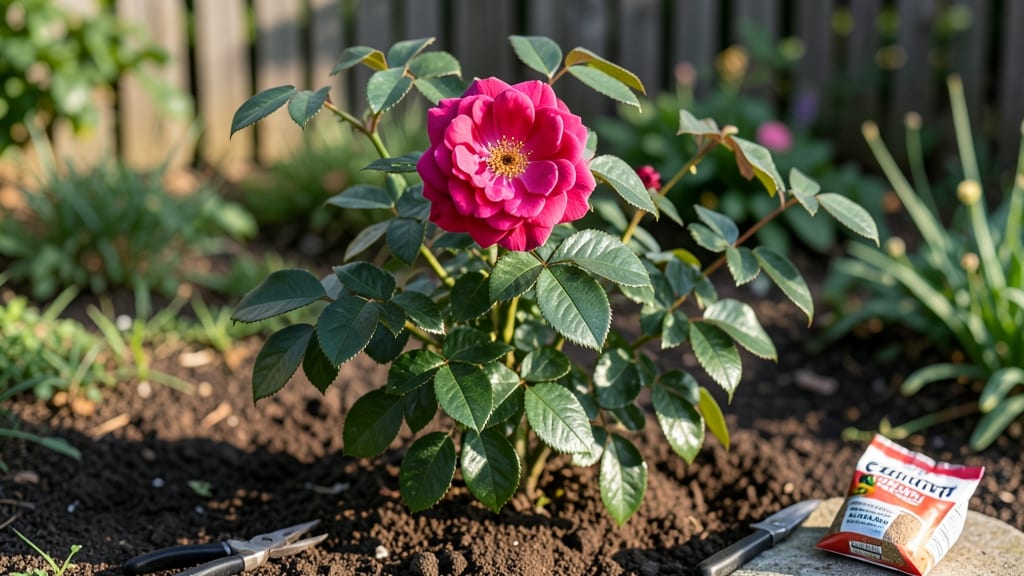
This McCartney rose plant delivers year-round blooms when you prune it right—though I learned the hard way that this hybrid tea thrives on a three-season schedule, not just one early-spring trim. The secret lies in its growth zones, which I’ll show you how to encourage for continuous flowers.
This rose loves full sun (6+ hours daily) and well-draining soil with a slightly acidic pH (6.0-6.5). Unlike finicky roses, McCartney’s disease-resistant, so black spot and powdery mildew are rare—just keep leaves dry and deadhead regularly.
The fragrance? Sweet, old-fashioned, like a grandma’s garden but with modern vigor. By pruning three times a year (late winter, early summer, and fall), you’ll trigger new blooms every 6-8 weeks.
The first flush arrives in late spring, but with the right cuts, you’ll enjoy flowers until first frost. Even in colder zones, the hardy canes survive winter with minimal protection. For beginners, start with one plant to master the pruning rhythm.
Advanced gardeners can experiment with espalier training to save space. Either way, this rose repays the effort with low-maintenance beauty and cut flowers that last weeks in a vase. Let’s get growing!
📚 In This Guide
- What you need
- Instructions
- Tips and common mistakes
- Wrapping up and next steps
What you need
- ● McCartney Rose Plant: A healthy, disease-free bare-root or potted rose (check for Rosa 'McCartney' or similar hybrid tea roses).
- ● Well-draining soil: Mix 2 parts garden soil, 1 part compost, and 1 part perlite or coarse sand for optimal aeration.
- ● Organic fertilizer: A balanced 10-10-10 or rose-specific fertilizer (follow package instructions for dosage).
- ● Mulch: 2–3 inches of organic mulch (e.g., wood chips or straw) to retain moisture and regulate soil temperature.
- ● Garden trowel or shovel for planting.
- ● Pruning shears (sterilized with rubbing alcohol to prevent disease).
- ● Gloves (gardening or rose-specific for thorn protection).
- ● Watering can or hose with a gentle spray nozzle.
- ○ Stakes or trellis (optional but helpful for support as the plant grows).
- ○ pH test kit (optional but recommended to ensure soil pH is between 6.0–6.5).
- ● A sunny location with at least 6–8 hours of direct sunlight daily.
- ● Proper spacing: Plant at least 2–3 feet apart to allow airflow and reduce disease risk.
- ● Watering schedule: Keep soil consistently moist (but not soggy) for the first 2–3 weeks.
Step-by-step guide to pruning McCartney roses for year-round blooms
Here's how I transform McCartney roses into nonstop bloomers by mastering their growth zones.
Identify and Prepare for the First Major Prune
McCartney roses bloom on both old and new wood, so timing matters. Prune in early spring, right as buds begin to swell but before leaves emerge. This is when the plant's energy shifts from dormancy to growth—cutting too early removes next year's blooms, while waiting too long stresses the plant. Look for swollen buds along the canes; these are your signal to act.
Gather your tools: clean, sharp bypass pruners (dull blades crush stems, inviting disease). Sterilize them with rubbing alcohol before starting. Remove any dead, diseased, or crossing branches first—they compete with healthy growth. I like to make my first cuts just above an outward-facing bud at a 45-degree angle, about ¼ inch above it. This angle helps water run off the cut instead of pooling.
Shape the Rose Bush for Optimal Airflow
McCartney roses thrive when air circulates freely, preventing fungal issues like black spot. Aim for an open-centered shape, with the center of the bush slightly hollow. This encourages light penetration to the inner canes, where new blooms form. Start by removing any thin, weak stems—these rarely produce strong blooms and take energy from healthier growth.
Next, cut back last year’s growth by one-third to one-half of its length. You’ll see where the cuts should go: look for strong, healthy canes with multiple buds spaced evenly along their length. Each cut should leave 3-5 buds remaining on the stem, depending on the cane’s vigor. Thicker canes can support more buds, while thinner ones need fewer.
Encourage Continuous Blooming Through Seasonal Pruning
McCartney roses reward consistent care with year-round blooms, but this requires three key pruning sessions: early spring, mid-summer, and late summer. After the first flush of spring blooms, cut back spent blooms to just above the next set of five leaves. This encourages the plant to focus energy on new growth rather than seeding. I like to do this on a dry, overcast morning—the plant is less stressed, and cuts heal faster.
In mid-summer, when you notice new growth slowing, give the bush a light trim. Remove any overly leggy stems that stretch toward the sun, and thin out crowded areas. This prevents the plant from becoming top-heavy and ensures blooms develop along the entire length of the canes. After each pruning, I apply a balanced rose fertilizer (10-10-10) to support the fresh growth.
Winterize for Next Year’s Blooms
As temperatures drop below 30°F, McCartney roses enter dormancy, but proper winter care sets the stage for next year’s blooms. Start by removing all dead or diseased canes—these won’t regrow and can harbor pests. Next, cut back remaining canes by half, leaving 3-4 strong buds on each. This prevents the plant from putting energy into weak growth that won’t survive winter.
Mulch the base of the rose with 3-4 inches of organic mulch, like shredded bark or straw, to insulate the roots. Avoid piling mulch against the stems—this traps moisture and invites rot. In colder climates, I also wrap the bush in burlap or a rose cone, securing it loosely to allow airflow. This protects the plant without suffocating it, ensuring it wakes up strong in spring.
Maintain Year-Round with Light Trims
Between major pruning sessions, keep McCartney roses in bloom with weekly deadheading. Pinch off spent blooms just above the next set of leaves to redirect the plant’s energy into new flowers. This is especially important after rainy periods, when blooms may drop without you noticing. I also check for suckers—shoots growing from the base of the plant—removing them immediately to prevent them from draining energy from the main canes.
Monitor the plant’s response to pruning: if you see new growth within 2-3 weeks of a trim, you’ve cut at the right time. If growth stalls or leaves yellow, you may have pruned too aggressively. Adjust your approach for the next session—McCartney roses are forgiving, but they do best with consistent, gentle guidance rather than drastic cuts.
Tips & tricks for pruning McCartney roses
These essential insights will help you master the art of pruning to keep your McCartney roses blooming beautifully all year.
Timing is Everything: The early spring pruning window is critical—look for swollen buds that haven't yet opened into leaves. This is when the plant begins its active growth cycle, and cutting too early risks removing next year's bloom potential. If you're unsure, wait until you see at least a few buds swelling along the canes. Remember, McCartney roses bloom on both old and new wood, so we're not removing potential blooms entirely, just shaping the plant for optimal growth.
Pruning Angle Matters: When making your cuts, always aim for a 45-degree angle about ¼ inch above an outward-facing bud. This angle isn't just for aesthetics—it helps water run off the cut rather than pooling, which reduces the risk of disease. I've found that using a ruler or angle guide can help you maintain consistency, especially when dealing with multiple canes. This precise technique encourages faster healing and stronger new growth.
Seasonal Pruning Strategy: The three-season approach—early spring, mid-summer, and late summer—is key to continuous blooming. After the first flush of spring blooms, always cut back to just above the next set of five leaves. This redirects the plant's energy toward new growth rather than seed production. In mid-summer, focus on removing leggy stems that stretch toward the sun, creating a more compact, bushier plant that blooms more abundantly.
Winter Care Essentials: When temperatures drop below 30°F, proper winter preparation is crucial. Cutting back canes by half and leaving just 3-4 strong buds prevents the plant from wasting energy on weak growth. The mulch layer of 3-4 inches is vital—it insulates roots but never pile it against the stems. I've seen too many roses suffer from winter rot due to improper mulching techniques. In particularly cold climates, the burlap wrap provides that extra layer of protection without suffocating the plant.
Pro Tips for Mccartney Rose Plant
- These essential insights will help you master the art of pruning to keep your McCartney roses blooming beautifully all year.
- Timing is Everything: The early spring pruning window is critical—look for swollen buds that haven't yet opened into leaves.
- Pruning Angle Matters: When making your cuts, always aim for a 45-degree angle about ¼ inch above an outward-facing bud.
Frequently asked questions
Got questions about growing and caring for your McCartney Rose? Here are some of the most common ones—plus expert tips to keep your plant thriving year-round!
How often should I prune my McCartney Rose?
Prune your McCartney Rose twice a year: once in late winter (before new growth starts) and again after the first flush of blooms in early summer. This encourages vigorous, bushy growth and more abundant flowers. Always use sterilized tools to prevent disease!
Can McCartney Roses survive winter?
Yes! These hardy roses (USDA Zones 5-9) tolerate light frost, but mulch heavily in colder climates (Zone 5) to protect roots. In extreme cold, wrap canes with burlap or use a rose cone. Prune lightly in early spring once frost danger passes.
What if my McCartney Rose isn’t blooming?
Check these fixes:
- Sunlight: Ensure 6+ hours of direct sun daily—shady spots reduce blooms.
- Pruning: Over-pruning or cutting into old wood can stunt flowering.
- Fertilizer: Use a balanced rose fertilizer (like 10-10-10) every 4-6 weeks during growing season.
Pro Tip: Deadhead spent blooms to redirect energy to new flowers!
Are McCartney Roses pest-prone?
They’re relatively resistant, but watch for:
- Aphids (suck sap): Spray with soapy water or neem oil.
- Japanese beetles: Handpick or use milky spore for long-term control.
- Black spot: Improve airflow, avoid overhead watering, and apply fungicide if needed.
Preventative Tip: Space plants 3-4 feet apart for better air circulation!
Can I grow McCartney Roses in containers?
Choose a large pot (18"+ diameter) with drainage holes and use a well-draining potting mix. Water more frequently than in-ground roses (containers dry out faster). Move pots to a sheltered spot in winter if temperatures drop below 20°F.
Wrapping up and next steps
Growing a McCartney Rose is a rewarding journey that brings vibrant blooms to your garden year-round—with the right care and a little patience! 🌸 By mastering pruning techniques, understanding growth zones, and providing consistent sunlight and nutrients, you’ll unlock a plant that thrives and delights.
Whether you’re a seasoned gardener or just starting, these tips will set you up for success.
Ready to take the next step? Experiment with different pruning schedules or try propagating cuttings to share your McCartney Rose with fellow plant enthusiasts. Your garden—and your green thumb—will thank you!