
Pests
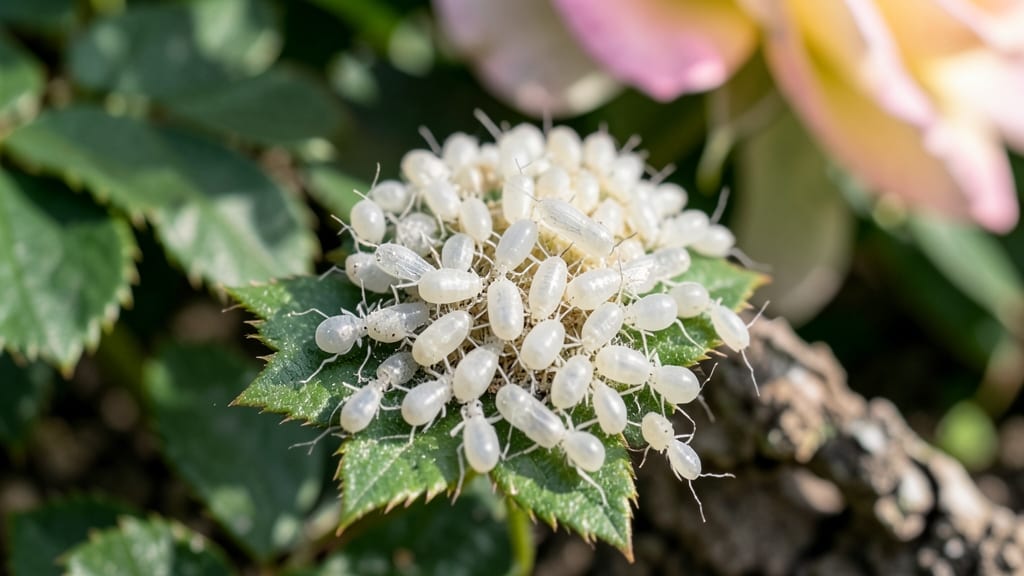
Those little white bugs on roses are more than just a nuisance—they’re draining your plants, and I’ve spent years fighting them. for good without harsh chemicals.
The first step is knowing your enemy: aphids cluster on new growth, whiteflies flutter when you shake stems, and mealybugs leave cottony trails.
Most gardeners panic and reach for sprays, but the real fix starts with soapy water sprays and neem oil—both work fast and won't harm bees or your roses.
Within 48 hours of treatment, you'll see fewer bugs, and in a week, your roses will rebound with fresh, vibrant leaves. The secret is consistency—check undersides of leaves weekly and repeat treatments every 5-7 days until they're gone.
This works for all roses—hybrid teas, floribundas, even climbers. No more wilting blooms or sticky residue on your patio furniture. Let's get those roses back to their full glory.
Root Causes Of Tiny White Invaders
Those pesky little white bugs on your roses aren’t just random visitors—they’re drawn to your plants for very specific reasons. Understanding why they appear is the first step to stopping them before they wreak havoc on your garden. Let’s break down the science behind their unwelcome arrival.
Roses, like all plants, release chemical signals when they’re under stress—whether from drought, poor soil, or overcrowding.
These signals act like a neon "Welcome!" sign for pests, including aphids, mealybugs, and whiteflies. Stressed plants have weaker defenses, making them easier targets for tiny white bugs looking for an easy meal.
Key triggers include:
- 💧 Drought stress: When roses don’t get enough water, their sap becomes sweeter—a aphid’s dream snack.
- 🌿 Nutrient deficiencies: Lack of nitrogen or phosphorus weakens plant immunity.
- 🌳 Overpruning or root damage: Aggressive trimming or compacted soil disrupts the plant’s natural balance.
Pro Tip: 💡 Keep soil consistently moist (but not soggy) and fertilize with a balanced rose-specific feed to reduce stress signals.
Aphids and similar pests are sap-sucking specialists, and they’re particularly drawn to the sugary, protein-rich sap of roses. New growth—like fresh leaves, buds, or tender stems—contains the highest concentration of these nutrients, making it their favorite buffet spot.
Why does this happen?
- 🌱 New growth = high sugar content: Young leaves and stems produce more sap to fuel rapid expansion.
- 🍬 Honeydew production: As aphids feed, they excrete sticky honeydew, which can attract ants (who "farm" the aphids for their sweet secretions).
- 🌿 Variegated or hybrid roses: Some varieties naturally produce more sugary sap, making them aphid magnets.
Pro Tip: ✨ Prune roses regularly to remove overly tender growth, and clean up fallen leaves or debris where pests hide.
White bugs thrive in messy, cluttered gardens where they can hide, breed, and spread undetected. Overgrown foliage, dead leaves, and even nearby weeds create perfect hiding spots and breeding grounds. One infested plant can quickly become a colony if left unchecked.
Common hygiene-related causes:
- 🍂 Leaf litter and mulch buildup: Decaying organic matter provides shelter and moisture for eggs and nymphs.
- 🌿 Weeds and ground covers: Many weeds (like clover or chickweed) host aphids and act as a "bridge" to your roses.
- 🪴 Infested potting soil or containers: If you’re growing roses in pots, contaminated soil can reintroduce pests season after season.
Pro Tip: 🔥 Maintain a 3-foot "pest-free zone" around roses by removing weeds, raking up debris, and storing empty pots in a freezer for 48 hours to kill hidden pests.
Temperature, humidity, and seasonal changes play a huge role in aphid and whitefly outbreaks. These bugs love warm, humid conditions and often explode in numbers during:
- 🌞 Spring and early summer: Mild winters and warm springs allow pests to survive and reproduce faster.
- 💦 High humidity: Moist air helps aphids retain moisture and speeds up their life cycle.
- 🌪️ Wind patterns: Light breezes can carry aphids (or their eggs) from infested plants to yours.
Pro Tip: 🌡️ Monitor local weather forecasts. If humidity spikes above 70%, inspect roses weekly for early signs of infestation.
Now that you know why these tiny white bugs are crashing your rose party, the next step is how to evict them for good—without harming your plants or the planet.
Eliminate Tiny White Invaders Naturally
Now that you’ve identified the little white bugs on your roses—likely aphids, mealybugs, or whiteflies—it’s time to kick them out for good without harsh chemicals. Below are targeted, organic solutions tailored to each culprit, plus prevention tips to keep your roses pest-free.
Aphids are soft-bodied, so they’re easy to crush—but don’t stop there. These pests multiply fast, so combine methods for best results.
🍳 Step 1: Manual Removal (Best for Small Infestations)
- 👨🍳 Wear gloves and crush aphids with your fingers or a soft brush (like a makeup brush).
- 🥘 Drop them in soapy water (1 tsp dish soap + 1 gallon water) to kill them instantly.
- ⏰ Do this daily for 3–5 days to break their life cycle.
🔪 Step 2: Organic Sprays (For Larger Groups)
| Solution | How to Use | Frequency |
|---|---|---|
| Neem Oil Spray | Mix 1 tsp neem oil + 1 tsp mild soap + 1 quart water. Spray directly on bugs (avoid blooms). | Every 5–7 days for 2 weeks |
| Insecticidal Soap | Spray early morning or late evening (avoid direct sun). Reapply after rain. | 2–3 times per week |
| Garlic or Chili Pepper Spray | Blend 3 garlic cloves + 1 tbsp cayenne + 1 quart water. Strain and spray. | Weekly until gone |
💡 Pro Tip: Spray the undersides of leaves—that’s where aphids hide!
🌡️ Step 3: Attract Natural Predators
- Ladybugs, lacewings, and parasitic wasps love aphids. Buy them online or plant companion flowers like dill, fennel, or marigolds to lure them in.
Mealybugs are waxy and stubborn, so you’ll need a two-pronged approach: physical removal + systemic treatment.
🔥 Step 1: Scrape Off the Pests
- 👨🍳 Use a cotton swab dipped in rubbing alcohol (70% or higher) to wipe off mealybugs.
- 🥘 For stubborn clusters, gently scrape with a plastic spoon or toothbrush.
- ⏰ Repeat every 3–4 days until no more are visible.
🌿 Step 2: Systemic Organic Treatment
Mealybugs burrow deep, so treat the roots to starve them out:
- 💡 Horticultural Oil Spray (like dormant oil): Apply every 5–7 days for 3 weeks.
- 🌱 Systemic Neem Oil (for severe cases): Mix 1 tbsp neem oil + 1 tsp soap per gallon of water and water the soil (not just leaves).
🎯 Step 3: Quarantine Infested Plants
- 🚫 Isolate heavily infested roses until treated to prevent spread.
- 🔄 Prune and destroy badly damaged leaves (don’t compost them!).
Whiteflies are flying pests, so you’ll need traps + smothering tactics.
🕷️ Step 1: Yellow Sticky Traps
- 👨🍳 Hang yellow sticky cards near roses—whiteflies are drawn to yellow.
- 🥘 Replace every 2–3 days for maximum effectiveness.
🌡️ Step 2: Cover and Suffocate
- 🔥 Use a fine mesh net (like floating row covers) over roses for 24–48 hours to smother adults.
- 🌿 Apply kaolin clay (like Surround WP) to create a physical barrier they can’t penetrate.
💡 Step 3: Disrupt Their Life Cycle
- 🌱 Spray with soapy water (1 tsp castile soap per quart) every 3 days.
- 🌿 Encourage parasitic wasps (like Encarsia formosa)—they specifically target whiteflies.
Once your roses are clean, lock in their defense with these long-term strategies:
✅ 🌱 Healthy Roses = Fewer Pests
- 💪 Water deeply but less frequently (aphids love stressed plants).
- 🍎 Fertilize with balanced organic fertilizer (too much nitrogen = soft, aphid-friendly growth).
- 🌿 Prune regularly to improve airflow (pests hide in dense foliage).
✅ 🕷️ Natural Barriers & Traps
- 🌼 Plant garlic, basil, or mint nearby—their scent repels pests.
- 🕸️ Install blue sticky traps (whiteflies and aphids get confused by the color).
- 🐝 Encourage beneficial insects by avoiding pesticides and planting pollinator-friendly flowers.
✅ 🧼 Regular Maintenance
- 🔍 Inspect roses weekly, especially leaf undersides.
- 🚫 Remove fallen leaves/debris (pests hide there).
- 🌧️ After rain, reapply sprays if needed.
🎯 Final Reminder: Patience is key! Some treatments take 2–4 weeks to fully eliminate pests. Stay consistent, and your roses will bounce back stronger and bug-free! 🌹💪
Frequently asked questions
Are those tiny white bugs on my roses harmful?
Yes, they can seriously damage your roses! These little white bugs—likely aphids, mealybugs, or whiteflies—suck sap from leaves and stems, causing wilting, yellowing, and sticky honeydew residue. Left untreated, they weaken plants and attract ants. Act fast to protect your blooms!
How do I tell if it's aphids vs. whiteflies?
Check their behavior! Aphids stay still on leaves (often clustered), while whiteflies flutter away when disturbed. Also, aphids leave curled leaves, but whiteflies cause yellowing and sooty mold. Look for tiny eggs on leaf undersides—whiteflies lay them in batches.
Can I use vinegar to kill these bugs?
Neat vinegar is too harsh for roses, but a 1:1 vinegar-water spray (with 1 tsp dish soap) can help! Mix in a spray bottle and apply to infested areas at dusk. Avoid blooms, and reapply every 3-4 days. For best results, combine with neem oil for stubborn cases.
Will my roses recover after treatment?
With consistent care, roses bounce back quickly. Prune damaged leaves, keep soil moist, and apply organic treatments for 2-3 weeks. You'll see new growth within 10-14 days. The key is patience—don't fertilize heavily until pests are completely gone.
What's the best time of day to treat my roses?
Early morning or late evening works best! Avoid midday heat, which can burn leaves when using sprays like neem oil or soapy water. The cooler temps help treatments stick better and reduce plant stress. Plus, you'll catch more bugs active during these times.