
Pruning
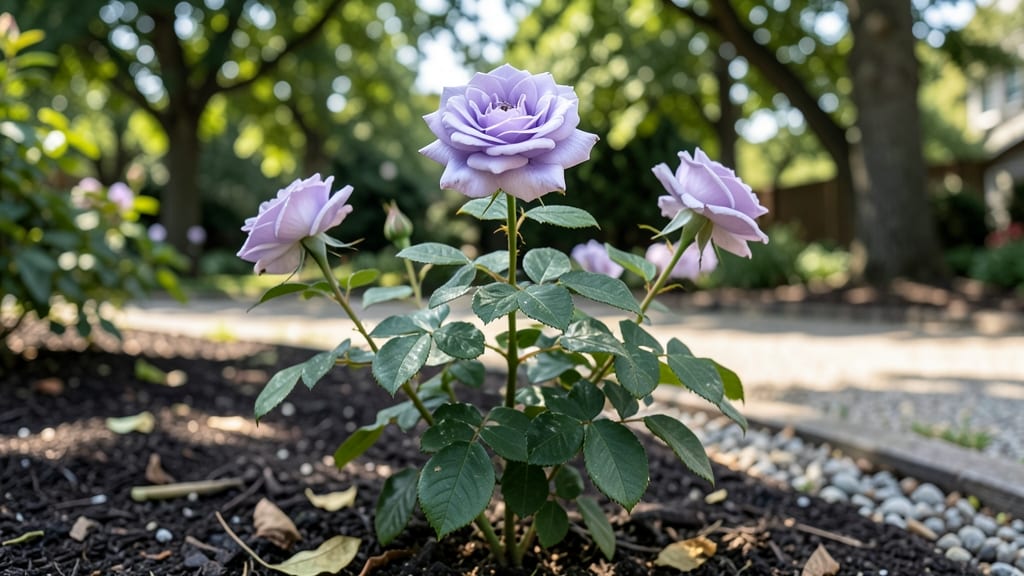
Lavender-colored roses bring dreamy romance to any garden—soft enough to blend with cottage charm, bold enough to anchor modern minimalism. 🌸 I fell for their ethereal hue years ago when I spotted them at a local nursery, and now they’re the centerpiece of my garden’s soft, romantic corner.
These roses thrive in full sun with well-draining soil, making them perfect for borders or mixed flower beds. Pair them with lavender, catmint, or dusty miller for a pastel-perfect color palette that feels like stepping into a storybook.
Their delicate petals also hold up beautifully in bouquets, lasting longer than you’d expect. The secret to their perfection lies in consistent care: prune after blooming to encourage bushier growth, and deadhead regularly to prolong flowering.
They’re surprisingly low-maintenance for such showstoppers—just avoid soggy soil, and they’ll reward you with clouds of color all season. Whether you’re designing a whimsical cottage garden or a sleek modern landscape, lavender roses adapt effortlessly. Try them in containers for patios or as a focal point in a cutting garden.
Their versatility is what makes them truly magical.
📚 In This Guide
- What you need
- Instructions
- Tips and common mistakes
- Wrapping up and next steps
What you need
- ● Lavender rose plants or seeds – Choose a variety like 'Blush Noisette' or 'Lavender Dream' for true pastel hues. (1-3 plants or 10-20 seeds for beginners)
- ● Well-draining potting mix – A blend of 50% garden soil, 30% compost, and 20% perlite or sand (1-2 bags, ~40 lbs total).
- ● Pruning shears – Bypass pruners (sharp, stainless steel) for clean cuts. (1 pair, $15-$30)
- ● Gloves – Heavy-duty gardening gloves to protect from thorns (1 pair, $10-$20).
- ● Organic rose fertilizer – Balanced formula (10-10-10 or rose-specific). (1 bag, ~20 lbs)
- ● Mulch – Wood chips or straw to retain moisture. (1-2 bags, ~10-15 lbs)
- ● Watering can or hose with nozzle – For gentle, deep watering.
- ● Rose trellis or support stakes – To train climbing varieties. (1-2 stakes, $10-$25)
- ● Epsom salt – For magnesium boost (1 lb).
- ● Compost tea or neem oil – Natural pest/disease prevention.
- ● Plant markers – To label your lavender beauties!
Step-by-Step guide to cultivating lavender-colored roses
Here's how I create dreamy lavender roses that steal the show in any cottage garden.
🌱 Step 1: Select the Right Lavender Rose Varieties
Not all roses produce true lavender blooms—opt for proven varieties like 'Lavender Dream,' 'Perle d'Or,' or 'Iceberg.' These produce soft lavender-pink flowers that fade beautifully in sunlight. I always check the plant tag for color descriptions, as nursery lighting can distort hues.
Look for healthy, established plants with multiple buds rather than single-stem cuttings. The more buds you start with, the more blooms you'll have by summer. Avoid plants with yellowing leaves or powdery mildew—these signs indicate poor health that will affect your lavender blooms.
☀️ Step 2: Plant in Full Sun with Well-Draining Soil
Lavender roses need 6-8 hours of direct sun daily to develop their signature pastel tones. I plant mine where morning sun warms the soil but afternoon sun doesn't scorch leaves. The lavender color intensifies with full sun exposure—shady spots produce pale, washed-out blooms.
Amend heavy clay soil with 2-3 inches of compost and a handful of perlite to improve drainage. Lavender roses hate soggy roots, which cause bud rot. Test your soil's pH—aim for 6.5-7.0. Too-acidic soil weakens plants and dulls their color.
💧 Step 3: Water Deeply but Infrequently
Water newly planted lavender roses deeply once a week rather than light daily waterings. This encourages deep root growth, which stabilizes plants and supports heavy blooms. I check soil moisture by sticking my finger 2 inches deep—if it feels dry, it's time to water.
Once established, lavender roses are drought-tolerant, but their blooms will fade faster without consistent moisture. Mulch with 2 inches of straw to retain soil moisture and suppress weeds. Avoid mulching too close to the stem—keep it 3 inches away to prevent rot.
✂️ Step 4: Prune for Bushier Growth and More Blooms
Prune lavender roses in early spring before new growth appears. Remove any dead or crossing branches first—they compete for nutrients and weaken the plant. Cut back last year's growth by one-third to encourage fresh, vigorous shoots that produce more lavender blooms.
After flowering, give your roses a light trim to remove spent blooms. This redirects energy from seed production to next year's buds. I avoid heavy summer pruning—it stresses plants when they're trying to set new blooms. Always use clean, sharp shears to make clean cuts at 45-degree angles just above an outward-facing bud.
🌿 Step 5: Feed for Vibrant Lavender Blooms
Apply a balanced rose fertilizer (10-10-10) in early spring when new growth appears. Follow package instructions—over-fertilizing produces lush foliage but fewer blooms. I split applications into two doses: half in spring and half after the first flush of blooms fades.
For even more lavender intensity, mix in 1 tablespoon of Epsom salt per gallon of water every 4-6 weeks. The magnesium boosts bloom color and prevents yellowing between veins. Stop fertilizing by mid-summer to let plants harden off for winter—you want them to focus on root development, not new growth.
Tips & tricks for perfect lavender-colored roses
These little details make all the difference when growing roses that truly bloom in dreamy lavender hues.
Sunlight Secret: The 6-8 hours of direct sun per day isn't just about color—it's about timing. Plant your lavender roses where they get morning sun (to warm the soil) and afternoon shade (to prevent leaf scorch). I've found that eastern exposures work beautifully in most climates. If you must place them in full sun all day, provide afternoon shade during summer's peak heat—this preserves that delicate lavender tint while preventing leaf burn.
Soil Science: That 6.5-7.0 pH range is critical, but don't just test—amend! If your soil tests acidic, mix in crushed limestone at planting time (about 1 pound per 100 square feet). For heavy clay soils, the 2-3 inches of compost plus perlite creates perfect drainage, but I've seen roses thrive even better when I add a handful of coarse sand to break up compacted areas. The goal is soil that feels like a damp sponge—not concrete.
Pruning Precision: When you cut back last year's growth by one-third in Step 4, make those cuts just above an outward-facing bud. This isn't just random—it creates the perfect angle for new growth to emerge away from the center, giving you a fuller bush with more lavender blooms. I mark my cuts with a white pencil before making them to ensure I'm always cutting at that 45-degree angle. And always sterilize your shears with rubbing alcohol between cuts to prevent disease spread.
Fertilizer Timing: The two-dose fertilizer schedule (half in spring, half after first blooms) might seem counterintuitive, but it works wonders. That first dose jumpstarts growth, while the second gives your roses a boost to produce more lavender blooms. I've noticed that when I skip the second dose, my roses still bloom but with less vibrant color. The Epsom salt treatment every 4-6 weeks is my secret weapon—it's like a color enhancer for those soft lavender petals!
Pro Tips for Lavender Coloured Roses
- These little details make all the difference when growing roses that truly bloom in dreamy lavender hues.
- Sunlight Secret: The 6-8 hours of direct sun per day isn't just about color—it's about timing.
- Soil Science: That 6.5-7.0 pH range is critical, but don't just test—amend!
Frequently asked questions
Got questions about lavender roses? We’ve got answers!
Whether you’re curious about care, timing, or styling, here’s what you need to know to keep your pastel perfection thriving.
Are lavender roses the same as pink or mauve roses?
Not exactly! While they share the same Rosa family, lavender roses have a softer, muted purple-gray hue—think dusty periwinkle or heather tones. True pink roses are brighter (like blush or coral), while mauve leans toward a deeper, more violet-pink blend. Lavender roses often have a romantic, dreamy quality that sets them apart!
When is the best time to plant lavender roses?
Plant them in early spring or fall when temperatures are mild (50–75°F). Avoid extreme heat or frost—roots need time to establish before winter. Pro tip: Soak roots for 1–2 hours before planting to reduce transplant shock.
Do lavender roses need special pruning?
Yes! Prune in late winter or early spring to shape the bush and encourage blooms. Cut back 1/3 of old wood (dead/diseased stems) and trim new growth to 1/2 its length. Skip heavy pruning in fall—it can stress the plant before dormancy. Use sterilized shears to prevent disease!
How do I keep my lavender roses looking fresh in a bouquet?
Trim stems at a 45° angle, remove lower leaves, and place them in cool water with flower food. Change water every 2–3 days and snip stems again daily. Avoid direct sunlight—lavender roses wilt faster in heat. Bonus: Add a splash of sugar (1 tsp per quart) to extend vase life!
Why are my lavender roses drooping or not blooming?
Drooping often means underwatering (check soil moisture) or overwatering (roots need airflow). Poor blooms? Try full sun (6+ hours/day) and balanced fertilizer (high phosphorus for flowers). Yellow leaves? Could be overfeeding—flush soil with water to reset nutrients.
Wrapping up and next steps
Lavender-colored roses are a dreamy addition to any cottage garden, blending soft elegance with effortless charm. Whether you’re pruning for health, shape, or blooms, these pastel beauties reward your care with stunning results—just remember to wield your shears with confidence and a gentle touch. 🌸
Ready to transform your garden into a romantic retreat? Start by observing your roses this season, noting their growth patterns and blooming habits. With each snip, you’re not just pruning—you’re crafting a living masterpiece. Happy gardening!