
Planting
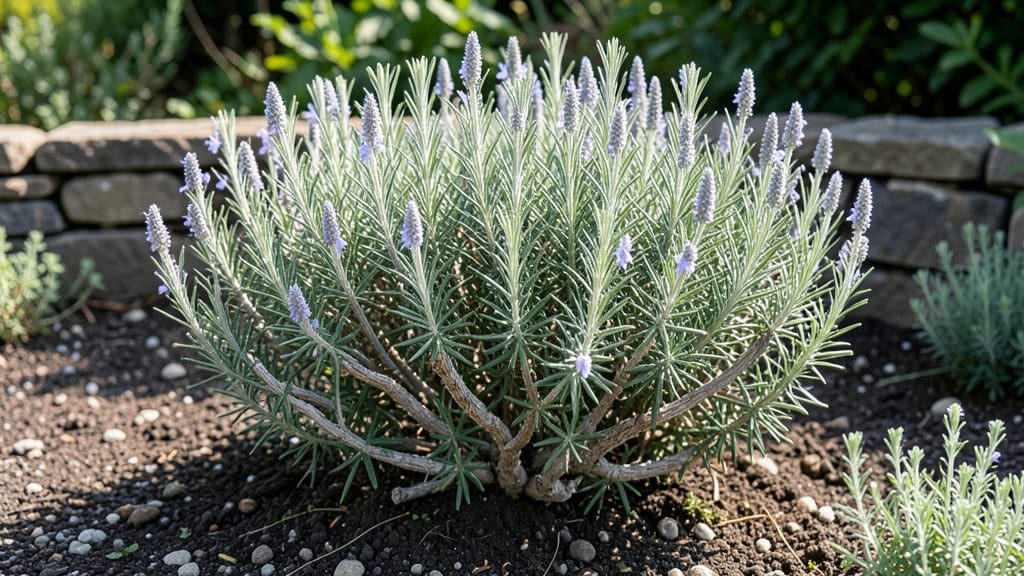
Unlocking the secrets of the largest rosemary plant isn’t just about luck—it’s about coaxing this woody herb into a towering, fragrant giant by mimicking a small tree’s care. 🌿 rather than a shrub. The secret lies in mimicking its natural Mediterranean habitat while giving it room to stretch upward.
Rosemary thrives in full sun (at least 6-8 hours daily) and well-draining soil—think sandy loam mixed with gravel for airflow. Overwatering is the silent killer, so let the top 2 inches dry out between drinks.
When pruning, focus on selective trimming in early spring to encourage vertical growth, not just bushy sides. I cut back only the leggy stems, leaving the inner growth intact to fuel height.
By summer, you'll see dramatic results: woody stems reaching skyward, dense foliage along the branches, and that signature piney scent stronger than ever. The plant becomes a living sculpture that doubles as a kitchen herb. Prune lightly again in late summer to maintain shape without stunting growth.
This method works for both container-grown and in-ground rosemary. For containers, use a 12-inch-deep pot—deeper roots mean taller plants. The key is patience; rosemary grows slowly but rewards persistence with impressive height and longevity. Ready to grow your own rosemary giant?
📚 In This Guide
- What you need
- Instructions
- Tips and common mistakes
- Wrapping up and next steps
What you need
- ● Rosemary plant: Start with a healthy, established Rosmarinus officinalis (preferably a hardy, upright variety like 'Arp' or 'Hill Hardy'). Choose a 1–2 year-old plant for best results.
- ● Well-draining soil: 5–10 gallons of cactus/succulent mix (or amend garden soil with 50% perlite/pumice and 30% coarse sand). pH: 6.0–7.0.
- ○ Container (optional but recommended): For indoor/container growth: A 12–18 inch diameter pot with drainage holes (e.g., terracotta or fabric grow bag).
- ● For ground planting: Ensure full sun (6+ hours) and space 3–4 feet apart to allow air circulation.
- ● Fertilizer: Slow-release granular fertilizer (e.g., 10-10-10) or liquid seaweed extract (diluted to half-strength). Use every 6–8 weeks in growing season.
- ● Pruning tools: Sharp bypass pruners (for clean cuts).
- ● Sterilizing alcohol (70% isopropyl) to disinfect tools between cuts.
- ● Gloves: Heavy-duty gardening gloves to protect hands from thorns and sap.
- ● Mulch: Gravel or pebbles (1–2 inches) to retain moisture and deter weeds (rosemary hates soggy roots!).
- ● Support structure (for tall varieties): A small bamboo stake or trellis to guide vertical growth if needed.
- ● pH test kit: To monitor soil acidity (rosemary is sensitive to alkaline conditions!).
- ● Grow lights (indoor only): Full-spectrum LED (12–14 hours/day) if natural light is less than 6 hours.
- ● Climate: Rosemary thrives in USDA Zones 7–10. For colder zones, grow in containers and overwinter indoors.
- ● Water access: Drip irrigation or a watering can with a narrow spout (avoid overhead watering to prevent fungal issues).
- ● Patience: Achieving 6+ feet of height takes 2–3 years with proper pruning and care!
Instructions: how to grow a towering rosemary plant
Here’s how I’ve trained rosemary to reach 6+ feet tall—the secret lies in strategic pruning and growth habits.
🌿 Step 1: Start with a Healthy, Mature Plant
Choose a woody-stemmed rosemary (at least 1-2 years old) with multiple strong branches. Young, soft-stemmed plants won’t handle aggressive pruning—they’ll just get leggy. Look for a specimen with thick, silver-green foliage and no signs of browning or yellowing.
If you’re growing from seed, wait at least 2 years before attempting height training. Seed-grown rosemary needs time to develop a sturdy woody base. I always select plants with multiple lateral branches—these are the future vertical growth points.
✂️ Step 2: Prune for Vertical Growth
Use clean, sharp pruning shears to cut just above a leaf node (the bump where a leaf meets the stem). Remove 1/3 of the plant’s height in the first pruning—this forces the plant to redirect energy upward. Focus on the topmost branches first, then work your way down.
Prune in early spring when new growth is about to begin. Avoid cutting into old, woody stems—you’ll want to target the green, flexible growth just below the tips. I like to make angled cuts about 1/4 inch above the node to prevent water from pooling and causing rot.
☀️ Step 3: Provide Full Sun and Support
Rosemary needs 6+ hours of direct sunlight daily to grow tall and strong. Place your plant in the sunniest spot—even partial shade will stunt vertical growth. If growing in a container, ensure the pot is at least 12 inches deep to accommodate a deep root system.
For extra height, stake the plant with a 3-foot bamboo stake tied loosely to the main stem. As the plant grows, adjust the ties to support upward growth without restricting it. I’ve seen rosemary reach 7 feet with proper staking—it’s like giving the plant a natural trellis.
💧 Step 4: Water and Fertilize Strategically
Water deeply but infrequently—rosemary hates soggy roots. Let the top 2 inches of soil dry out between waterings. Overwatering causes root rot, which kills the plant from the bottom up. I use a drip irrigation system for large plants to deliver water directly to the roots.
Fertilize lightly in early spring with a balanced 10-10-10 fertilizer (half-strength). Too much nitrogen makes rosemary grow leafy but weak—we want woody, vertical growth. I skip fertilizer in late summer to encourage hardening off before winter.
⏰ Step 5: Monitor and Repeat Pruning
Every 6-8 weeks, trim back the top 1/3 of new growth to maintain height. This keeps the plant focused on vertical expansion rather than bushy spreading. Watch for new lateral shoots—these are your plant’s way of saying, “I’m growing wider, not taller.” Pinch them off immediately.
In late fall, give the plant a final light pruning to remove any dead or weak growth. Mulch around the base with 2-3 inches of gravel to protect roots from winter cold. With consistent pruning, your rosemary will keep reaching new heights year after year.
Tips & tricks for growing a towering rosemary plant
Here's what nobody tells you about the subtle art of coaxing rosemary to reach skyward heights.
Pruning Precision: When you remove that first third of the plant's height in Step 2, focus on the topmost branches first. This creates a natural upward growth signal for the plant. I've found that making clean cuts just above the leaf node—where the leaf meets the stem—prevents unsightly stubs and encourages faster regrowth. The key is to work your way down the plant systematically, never cutting more than one-third at a time. This gradual approach prevents shock and maintains the plant's energy balance.
Staking Strategy: The 3-foot bamboo stake mentioned in Step 3 is your secret weapon for vertical growth. I recommend using soft plant ties or even old fabric strips to secure the rosemary to the stake. The trick is to adjust these ties as the plant grows—tighten them just enough to support without constricting. Think of it like training a young athlete: you want to provide support without limiting movement. I've seen plants reach 7 feet with this method, but only when the ties are properly adjusted every 2-3 weeks.
Sunlight Science: Those crucial 6+ hours of direct sunlight aren't just about duration—they're about intensity. Position your rosemary where it gets morning sun and afternoon shade if you're in a hot climate. I've noticed that plants in full sun all day can become stressed, especially in summer. The ideal spot is where the plant gets bright, indirect light during the hottest part of the day. This balance prevents leaf scorch while still promoting that vertical growth we're after.
Seasonal Timing: The early spring pruning mentioned in Step 2 is non-negotiable for best results. This is when the plant naturally begins its growth cycle. I've made the mistake of pruning in late winter when the plant is still dormant—it just sits there looking sad. Wait until you see those first green shoots emerging, then act quickly. The same goes for the 6-8 week maintenance pruning in Step 5: timing these cuts to coincide with new growth periods maximizes vertical expansion.
Pro Tips for Largest Rosemary Plant
- Here's what nobody tells you about the subtle art of coaxing rosemary to reach skyward heights.
- Pruning Precision: When you remove that first third of the plant's height in Step 2, focus on the topmost branches first.
- Staking Strategy: The 3-foot bamboo stake mentioned in Step 3 is your secret weapon for vertical growth.
Frequently asked questions
Got questions about cultivating the largest rosemary plant? Here are some common ones—and their answers—to help you grow a thriving, towering herb:
How often should I prune rosemary to encourage maximum height?
Prune rosemary lightly every 4–6 weeks during the growing season (spring to fall). Avoid heavy pruning—focus on trimming just the top 1/3 of new growth to stimulate vertical growth. Over-pruning can stunt height and encourage bushiness. Pro tip: Use clean, sharp shears to avoid damaging stems.
Can rosemary survive winter and still grow tall?
Rosemary is hardy in USDA zones 7–10. In colder climates, protect it with mulch or move potted plants indoors (near a sunny window). Prune lightly in early spring to remove dead growth and encourage new, vigorous shoots. Never prune in winter—it stresses the plant.
What’s the best soil mix for a giant rosemary plant?
Use a well-draining mix: 60% potting soil, 30% perlite or sand, and 10% compost. Rosemary hates soggy roots! Add a layer of gravel at the bottom of pots to improve drainage. For in-ground planting, amend heavy soil with sand or gravel to mimic its Mediterranean habitat.
Why isn’t my rosemary growing tall—just bushy?
Bushy growth usually means over-pruning or lack of sunlight. Move your plant to a sunnier spot (6+ hours of light daily) and prune only the top growth. Avoid trimming side shoots—this encourages height. If roots are bound, repot into a slightly larger container.
Are there rosemary varieties better for height?
Yes! ‘Rosemary Tuscan Blue’ and ‘Rosemary Hill Hardy’ grow taller (up to 6 feet) than standard varieties. For containers, choose ‘Blue Spires’—it’s bred for vertical growth. All thrive in full sun and well-draining soil.
Wrapping up and next steps
Growing the largest rosemary plant is all about patience, precision, and a little pruning magic! 🌿 By mastering the art of strategic trimming, providing the right care, and understanding your plant’s needs, you can cultivate a thriving, towering herb that’s both beautiful and productive.
Whether you’re aiming for a lush kitchen garden or a stunning landscape feature, your efforts will pay off in big ways—literally!
Ready to take the next step? Experiment with different pruning techniques and keep an eye on your rosemary’s growth patterns. Before you know it, you’ll be the proud owner of a show-stopping herb that’s the envy of every gardener! 🌟