
Tools
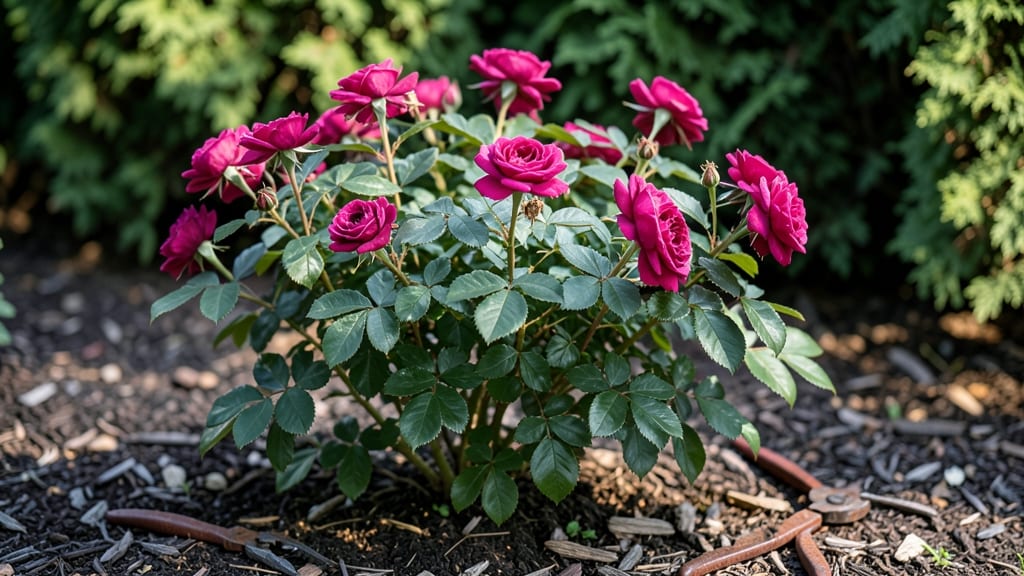
Bold red blooms that never quit—knockout roses in planters transform any patio into a showstopper. 🌹 I learned the hard way that regular garden roses need deep soil and space, but these tough varieties thrive in containers with just the right setup.
The secret lies in choosing the perfect planter size, drainage, and companion plants that keep them blooming from spring to frost.
Start with a 5-gallon container minimum for each bush—smaller pots mean more frequent watering and less stability. Urban balconies? No problem—just ensure 6+ hours of sunlight and elevate planters for better drainage.
I pair mine with trailing nasturtiums and ornamental grasses to soften the bold red blooms while keeping pests at bay.
By summer’s end, you’ll have a nonstop floral display that outshines store-bought arrangements. The key is weekly pruning to encourage bushier growth and a slow-release fertilizer that won’t overload roots in confined space. Even in tight city yards, these roses become the star of the show.
Pro tip: Use glazed ceramic or fiberglass planters—they retain moisture better than wood and won’t crack in winter. For vertical gardens, hang large pots near railings to create a living wall effect. The possibilities for small-space drama are endless once you master the container basics.
📚 In This Guide
- What you need
- Instructions
- Tips and common mistakes
- Wrapping up and next steps
What you need
- ● Knockout Rose Bushes: 1-3 plants (depending on planter size; dwarf varieties like 'Knock Out® Compact Bush' work well for smaller containers).
- ● Planters: 1-2 containers (minimum 18" diameter and 12" deep for one plant; larger for multiple). Ensure they have drainage holes!
- ● Potting Mix: 1 bag (5-10 cubic feet) of high-quality, well-draining mix (look for blends labeled for roses or shrubs).
- ● Slow-Release Fertilizer: 1 packet (10-15 lbs) of rose-specific or balanced granular fertilizer (10-10-10 or similar).
- ● Mulch: 1 bag (shredded bark or pine straw).
- ● Pruning Shears: 1 pair (sterilized, sharp blades).
- ● Gloves & Watering Can: 1 pair and 1 can (or hose with gentle spray nozzle).
- ● Container Liners: 1-2 (to protect planters from root damage if using decorative pots without drainage).
- ● Epsom Salt: 1 small container (for magnesium boost; mix 1 tbsp per gallon of water monthly).
- ● Companion Plants: 1-2 small perennials (like lavender or thyme) for visual interest and pest control.
- ● Support Stakes: 1-2 (if your rose variety needs extra stability).
- ● Decorative Stones or Gravel: 1 bag (for a polished finish around the base).
Step-by-Step guide to growing knockout roses in containers
Here's how to cultivate knockout roses in planters—bold, repeat-blooming beauty without the fuss.
🪴 Step 1: Select the Right Planters and Drainage
Choose large, sturdy containers—at least 18-24 inches deep and wide for each plant, since knockout roses need room for strong root systems. I prefer fabric grow bags for their breathability, but heavy ceramic or fiberglass pots work too. The key is multiple drainage holes—no exceptions. If your pot lacks them, drill at least four along the bottom to prevent root rot.
Place a 2-inch layer of gravel or expanded clay pebbles at the bottom before adding soil. This creates a reservoir for excess water while keeping roots above soggy conditions. I always test drainage by filling the empty pot with water—if it drains completely within 10 minutes, you're good to go.
🌱 Step 2: Prepare Soil for Thriving Roots
Fill your planters with a custom mix of 60% premium potting soil, 30% perlite or pumice (for aeration), and 10% compost. Knockout roses crave well-draining, nutrient-rich soil—never garden soil, which compacts and suffocates roots. I blend my own because store-bought mixes often lack the organic matter these heavy bloomers need.
Add a slow-release rose fertilizer (look for 10-10-10 or 12-12-17 ratio) mixed into the bottom 6 inches of soil. This feeds roots as they establish. Tap the pot gently to settle the mix, then create a small mound in the center. The roots will grow outward, so this prevents water pooling against the sides.
☀️ Step 3: Plant and Stake for Support
Remove the rose bush from its nursery pot and loosen the roots if they're circling. Cut back any damaged or overly long roots with clean shears—this encourages outward growth. Position the plant so the graft union (the swollen area near the base) sits 2 inches above the soil line. This prevents root rot from rising moisture.
Backfill with soil while gently pressing to eliminate air pockets. Install a 5-foot bamboo stake immediately and tie the main stem loosely with soft plant ties. Knockout roses grow 3-5 feet tall, so staking early prevents flopping. Water deeply until it runs out the drainage holes—this settles the soil and eliminates air gaps.
💧 Step 4: Water and Feed for Continuous Blooms
Water deeply every 2-3 days during the first 2 weeks, then adjust based on soil dryness. Stick your finger 2 inches into the soil—if it feels dry, water. Knockout roses hate soggy feet, so always let the top 1-2 inches dry between waterings. In hot climates, you may need daily watering in peak summer.
Feed every 2 weeks with liquid rose fertilizer during the growing season (spring through fall). I switch to half-strength in late summer to avoid burning roots. Prune spent blooms immediately—they rebloom prolifically if you keep deadheading. This isn't optional; it's what makes them "knockout" performers.
✂️ Step 5: Prune and Winter-Proof for Longevity
After the first hard frost, cut back one-third of the plant to healthy outward-facing buds. This encourages stronger spring growth. Wrap the pot in burlap or frost cloth if temperatures drop below 20°F—container roses are more vulnerable to freeze damage than in-ground plants. Move pots to a protected location (like against a south-facing wall) if possible.
In early spring, remove winter protection and prune again to shape the bush. Cut back weak, crossing, or diseased stems at a 45-degree angle just above an outward-facing bud. This isn't just cosmetic—it improves airflow and reduces disease. Your roses will reward you with nonstop blooms from early summer until frost if you stick to this routine.
Tips & tricks for perfect container-grown knockout roses
Container gardening with knockout roses is all about the details—here's what I've learned to keep them thriving year after year.
Drainage Test: That 10-minute drainage test in Step 1 is non-negotiable. I've seen too many container roses fail because growers skipped this step. If water pools after 10 minutes, add more gravel or consider a different pot—this simple test prevents root rot before it starts.
Soil Mix Matters: The 60-30-10 soil ratio in Step 2 isn't just arbitrary—it's what gives knockout roses their signature vigor. I always add an extra handful of compost to the top layer after planting to give new roots an immediate nutrient boost. Avoid store-bought "rose mixes" that often contain too much peat moss and not enough organic matter.
Staking Strategy: Installing the 5-foot bamboo stake in Step 3 might seem excessive, but trust me—knockout roses grow fast. I've seen them reach 5 feet in a single growing season. Use soft plant ties and loosen them monthly as the stems thicken. This prevents the ties from cutting into the bark as the plant grows.
Winter Protection Hack: When wrapping pots for winter protection below 20°F in Step 5, I add an extra layer of bubble wrap inside the frost cloth. This creates an insulating air pocket that prevents temperature fluctuations. Also, move pots to the warmest part of your garage or basement during extreme cold snaps—even container roses can suffer from freeze-thaw cycles.
Pro Tips for Knockout Roses In Planters
- Container gardening with knockout roses is all about the details—here's what I've learned to keep them thriving year after year.
- Drainage Test: That 10-minute drainage test in Step 1 is non-negotiable.
- Soil Mix Matters: The 60-30-10 soil ratio in Step 2 isn't just arbitrary—it's what gives knockout roses their signature vigor.
Frequently asked questions
Got questions about growing knockout roses in planters? You’re not alone! Here are answers to the most common queries to help you cultivate stunning blooms with ease.
What size planter is best for knockout roses?
For knockout roses, aim for a minimum 18-inch diameter and 12-inch depth per plant. Larger containers (24+ inches) allow for better root growth and moisture retention. Ensure the planter has drainage holes to prevent root rot—these roses thrive when their roots aren’t soggy! Pro tip: If using multiple plants, space them 12–18 inches apart.
How often should I water knockout roses in planters?
Water deeply every 2–3 days in hot weather and every 4–5 days in cooler months. Planters dry out faster than in-ground gardens, so check the top inch of soil—if it’s dry, it’s time to water. Morning watering is ideal to reduce evaporation and fungal risks. Mulch the surface to retain moisture and regulate soil temperature.
Can knockout roses overwinter in planters?
Yes! With proper care, they can. Move planters to a sheltered spot (like against a south-facing wall) and wrap them in burlap or frost blankets for insulation. Mulch heavily (4–6 inches) with straw or shredded leaves. If temps drop below 10°F (-12°C), consider lifting pots and storing them in a garage or cold frame.
Why are my knockout roses’ leaves turning yellow?
Yellow leaves often signal overwatering, nutrient deficiency, or pests. Check the roots—if they’re mushy, reduce watering. For deficiencies, fertilize with a balanced rose food (10-10-10) every 4–6 weeks. Inspect for aphids or spider mites; treat with neem oil or insecticidal soap if needed. Pro tip: Yellowing on older leaves is normal, but new growth should stay vibrant!
What can I plant with knockout roses in the same container?
Pair them with complementary low-maintenance plants like:
- Lavender (deters pests, adds fragrance)
- Salvia or catmint (drought-tolerant, contrasts colors)
- Sweet alyssum (trailing filler, attracts pollinators)
- Dwarf boxwood or heuchera (structural contrast)
Wrapping up and next steps
Growing knockout roses in planters is a rewarding way to bring bold color and fragrance to any space—whether it’s a patio, balcony, or urban garden. With the right container, soil, and care, these low-maintenance beauties will thrive and dazzle you all season long. 🌸
Ready to get started? Pick your planter, gather your supplies, and plant with confidence! Your future blooms—and happy neighbors—will thank you.