Blooming
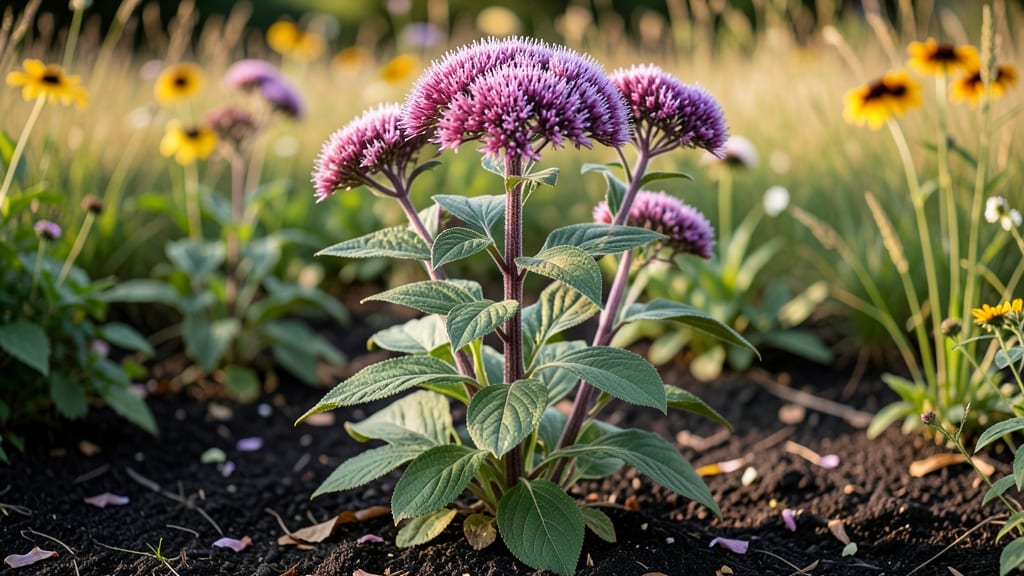
Joe Pye weed blooms between July and September 🌸, turning your garden into a late-summer magnet for butterflies and bees—but the exact timing depends on where you live.
If you're eagerly waiting for those towering pink-purple plumes to appear, you might be surprised to find your neighbor's plants flowering weeks earlier or later than yours. That's because bloom time shifts dramatically depending on your USDA zone, sunlight exposure, and even soil moisture.
In Zone 6a, where Joe Pye weed thrives, expect the first buds to open around mid-July, with peak blooms stretching through August. But in cooler northern zones, flowers may not appear until early August, while warmer southern climates can see blooms as early as June.
Below, I’ll break down the exact months to expect flowers in your region, plus pro tips to extend that vibrant display—so you can enjoy your garden’s star performer for as long as possible.
Joe Pye weed bloom time by USDA plant hardiness Zone (exact months)
Knowing when your Joe Pye weed will bloom helps you plan your garden's seasonal highlights. This native perennial thrives in USDA Zones 3-10, but bloom times shift dramatically depending on where you live.
In cooler northern zones, expect flowers in late July to August, while southern gardens may see blooms as early as June. Understanding these variations lets you time companion plants and deadheading for maximum impact.
Regional differences matter too—Midwestern gardens often bloom 2 weeks earlier than Pacific Northwest gardens due to temperature and daylight variations. High-altitude gardens in Zones 7-9 may experience delayed blooming by 1-2 weeks compared to coastal areas.
Even within the same zone, microclimates like urban heat islands or sheltered valleys can shift bloom windows by 10-14 days.
Here's how bloom timing breaks down by zone, including early, peak, and late flowering periods to help you anticipate your garden's summer-to-fall show.
| USDA Zone | Early Bloom | Peak Bloom | Late Bloom | Notes |
|---|---|---|---|---|
| Zones 3-4 | Late July | August | Early September | Shortest season; frost risk |
| Zones 5-6 | Early July | Mid-August | Late September | Classic Midwest timing |
| Zones 7-8 | June (coastal) | July-August | October | Longest bloom season |
| Zones 9-10 | May-June | June-September | November | Extended heat tolerance |
For Zones 3-4, where summers are short, Joe Pye weed typically blooms from late July through early September. This tight window means planning companion plants like black-eyed Susans or coneflowers for sequential color is crucial.
In these cooler regions, frost can cut blooms short, so consider planting near sheltered walls or using row covers to extend the season.
Gardeners in Zones 5-6 enjoy the classic bloom period from early July to late September. This timing aligns perfectly with late-summer garden parties and wedding bouquets. To maximize blooms, deadhead spent flowers in August to encourage a second flush.
In the Midwest, where humidity is high, ensure good air circulation to prevent powdery mildew from ruining your display.
Southern gardeners in Zones 7-10 get the longest bloom seasons, often from June through October. In Zone 9-10, some varieties may even bloom into November if temperatures stay mild. Here, heat tolerance becomes key—provide afternoon shade for plants in full sun locations to prevent leaf scorch.
Coastal areas may bloom 2-3 weeks earlier than inland regions due to ocean breezes moderating temperatures.
Microclimates can shift bloom times significantly. For example, a south-facing slope in Zone 6 might bloom 2 weeks earlier than a north-facing garden bed. Similarly, urban areas with heat islands may see blooms start 10-14 days sooner than rural counterparts.
Use these microclimate advantages to create layered bloom sequences in your garden.
High-altitude gardens (above 5,000 feet) experience cooler temperatures that delay blooming. In Zone 7 at 6,000
How to extend Joe Pye weed bloom time with simple gardening hacks
Want your Joe Pye weed to bloom longer and brighter? With a few strategic gardening tricks, you can turn a 6-8 week show into a 3-month spectacle. The key lies in understanding how to encourage second blooms and create ideal growing conditions.
Start by focusing on soil moisture, sunlight exposure, and pruning techniques—each plays a crucial role in extending your plant's flowering window.
Your Joe Pye weed thrives when given consistent care, but many gardeners overlook simple adjustments that can dramatically impact bloom duration. For example, did you know that deadheading spent blooms isn't just about looks—it signals the plant to produce more flowers?
Or that companion planting with the right neighbors can boost overall plant health? Let's dive into the proven methods that will keep your garden ablaze with pink-purple blooms well into fall.
- 🌸 Deadhead regularly – Snip off spent flower heads every 2-3 weeks to encourage new blooms and prevent seed formation.
- 💧 Maintain moist soil – Keep 1-2 inches of soil consistently damp (not soggy) to support continuous flowering.
- ☀️ Ensure 6+ hours of sun – Full sun maximizes bloom production; partial shade may shorten the season.
- ✂️ Light pruning in early spring – Trim dead stems to 6 inches tall to promote new growth and extend blooming.
- 🌿 Plant with bee-friendly neighbors – Coneflowers and black-eyed Susans attract pollinators, boosting flower production.
One of the most effective ways to extend Joe Pye weed bloom time is through proper deadheading. As flowers fade, snip them off just above a set of leaves using clean, sharp pruning shears.
This simple act prevents the plant from diverting energy into seed production, redirecting it instead toward new flower buds. Aim to deadhead every 2-3 weeks throughout the blooming season for the best results.
Don't overlook the importance of soil moisture—consistent watering keeps your plant healthy and encourages longer blooming. Joe Pye weed prefers moist but well-drained soil, so aim to water deeply 1-2 times per week during dry spells.
Mulching around the base with organic matter helps retain moisture and regulates soil temperature, creating ideal conditions for continuous flowering.
If your Joe Pye weed seems reluctant to produce second blooms, check its sunlight exposure. While it tolerates partial shade, full sun (6+ hours daily) is critical for maximizing flower production.
If your garden is shady, consider transplanting to a sunnier spot or supplementing with a grow light during cloudy periods. Even a few extra hours of sunlight can make a noticeable difference in bloom duration.
For a longer-lasting display, pair your Joe Pye weed with companion plants like coneflowers or black-eyed Susans. These pollinator-friendly neighbors create a thriving ecosystem that supports continuous blooming. Plus, their contrasting colors add visual interest to your garden while extending the overall flowering season.