
Pests
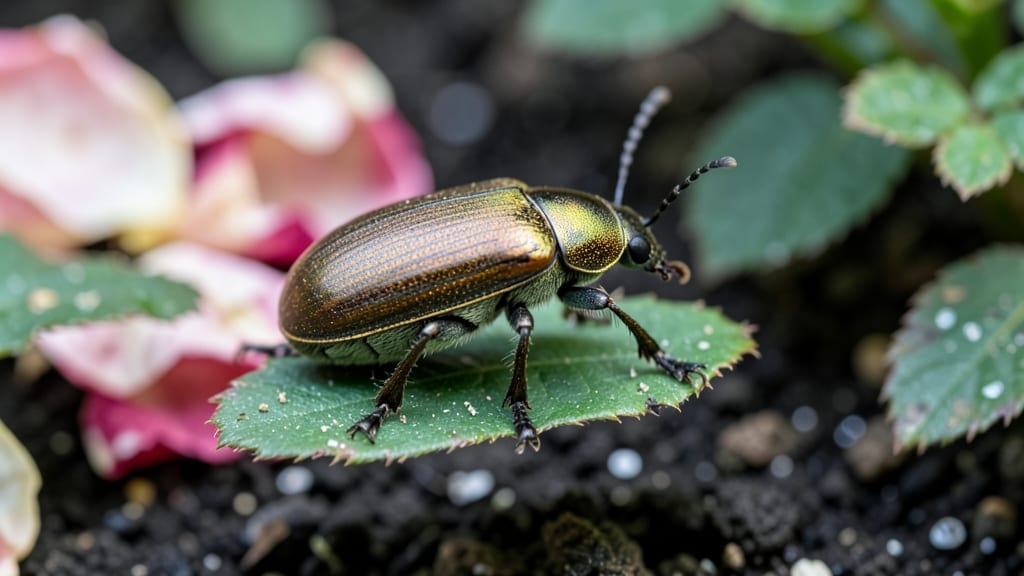
Those metallic green beetles chewing your roses into skeleton leaves aren't just ugly—they're Japanese rose beetles, and they multiply fast. 🌿 I've battled them for years, and I've finally cracked the code on removal tricks that actually stop them before they strip your garden.
The key is acting fast during their 3-week adult stage when they do the most damage. Handpicking works surprisingly well if you do it early morning when they're sluggish, but the real game-changer is a soapy water spray that knocks them off plants without harming your roses.
I've saved entire bushes using this method when I spotted them in time. You'll see results within 24 hours of treatment—fewer holes in leaves, more blooms, and no more beetle eggs hiding in your soil.
The secret is consistency: check plants daily during their peak season (June through August) and repeat treatments every 5-7 days until they disappear. This works for roses, hydrangeas, grapes, and even fruit trees. The best part? No chemicals, no waiting, and no more helplessly watching your garden get devoured.
Let's get those beetles out of here for good.
📚 In This Guide
- What you need
- Instructions
- Tips and common mistakes
- Wrapping up and next steps
What you need
- ● Gloves (heavy-duty, long sleeves) – 1 pair (to protect from scratches and beetle fluids).
- ● Pruning shears or sharp scissors – 1 pair (for cutting beetles or damaged foliage).
- ● Bucket or large container – 1 (5+ gallon capacity) (for collecting beetles or soapy water).
- ● Dish soap (unscented, e.g., Dawn) – 1 bottle (for the DIY soapy water trap).
- ● Water – 1 gallon (mix with soap for traps).
- ● Sturdy trash bags – 2-3 (13-gallon size) (for disposal or beetle containment).
- ○ Flashlight (optional, for nighttime hunting) – 1 (beetles are active at dusk!).
- ● Neem oil spray – 1 bottle (deters beetles and eggs; blank">dilute as directed).
- ● Diatomaceous earth (food-grade) – 1 small bag (sprinkle around plants for a natural barrier).
- ● Garden hose with nozzle – 1 (for blasting beetles off plants).
- ● Pest vacuum (or shop vac) – 1 (for quick beetle removal without harming plants).
- ● Label maker or markers – 1_ (to mark treated areas if using multiple methods).
How to remove Japanese rose beetles naturally and effectively
Here's my battle-tested approach to banish these destructive beetles without harsh chemicals.
🪴 Step 1: Identify and Locate the Beetles
Japanese rose beetles love roses, but they'll also feast on fruit trees, grapes, and even ornamental plants. Look for 1-inch-long beetles with shiny copper bodies and white stripes along their sides. They're most active during late afternoon when they're feeding on leaves and flowers.
Check the undersides of leaves, flower petals, and stems—these are their favorite hiding spots. I always inspect my plants afternoon to early evening when they're most visible. If you spot 3-5 beetles per plant, it's time to act before they multiply.
✂️ Step 2: Manual Removal During Peak Activity
The most effective method is handpicking when beetles are sluggish. After a light rain or morning dew, they become less active and easier to remove. Wear thick gardening gloves to protect your hands from their sharp legs.
Grab beetles by the body (not the legs) and drop them into a bucket of soapy water. I use a 1:10 ratio of dish soap to water—this ensures they drown instantly. Never crush them on the plant; their crushed bodies release pheromones that attract more beetles.
🌿 Step 3: Set Up Natural Traps
Create a DIY trap using a yellow bucket or bowl filled with soapy water. Place it near infested plants—beetles are attracted to yellow and will fall in. For extra effectiveness, add a few drops of beer or apple cider vinegar to the water; the scent lures them in.
Check traps daily at dawn and dusk when beetles are most active. Empty and refill the trap every 3-4 days to maintain effectiveness. This method works best during warm, humid days when beetles are most active.
☀️ Step 4: Protect Plants with Physical Barriers
Cover young plants or newly infested areas with fine mesh netting secured tightly around the stems. This prevents beetles from laying eggs and feeding. I use 1/4-inch mesh because it's strong enough to deter adults but still allows light and air through.
For established plants, wrap the lower trunk with aluminum foil—beetles dislike the texture and avoid it. Reapply every 2-3 weeks or after rain. This method is especially effective for roses and fruit trees where beetles target the bark and leaves.
💧 Step 5: Encourage Natural Predators
Attract beetle-eating birds like robins, starlings, and sparrows by installing a bird feeder or adding a small water source. These birds naturally prey on Japanese rose beetles and can significantly reduce populations. Place feeders 10-15 feet from plants to avoid seed contamination.
You can also introduce parasitic wasps like Tiphia vernalis, which lay eggs in beetle grubs. These wasps are harmless to humans and plants but devastating to beetle larvae. Order them from a reputable garden supply store and release them in late spring when grubs are active.
Tips & tricks for natural Japanese rose beetle control
Real talk: These beetles multiply fast, but these battle-tested tricks will help you stay one step ahead without chemicals.
Timing is Everything: The afternoon to early evening window in Step 1 is your best shot for spotting beetles—this is when they're sluggishest after feeding. I've found that checking right after a light rain or morning dew makes them even easier to pick off. Pro tip: Bring a flashlight for evening inspections if your garden has shady spots where beetles hide.
Soapy Water Secret: When making your 1:10 dish soap to water solution in Step 2, I recommend using blue dish soap—it's more visible when checking the bucket, and beetles seem less likely to avoid it. Also, keep a separate bucket of soapy water near your garden tools so you can quickly dispose of any beetles you spot while working.
Trap Placement Strategy: For Step 3's yellow bucket traps, position them 1-2 feet away from plant foliage—close enough to catch beetles but far enough that they don't walk away. I've had the best success placing traps near yellow-flowering plants like marigolds, which naturally attract beetles. Rotate trap locations every few days to cover more ground.
Barrier Maintenance: When using aluminum foil in Step 4, don't just wrap once and forget—reapply every 2-3 weeks or after heavy rain, as the foil can degrade quickly. For large plants, consider using aluminum foil tape to create a more durable barrier that lasts longer. This small extra step prevents beetles from finding their way back to your plants.
Pro Tips for Japanese Rose Beetle
- Real talk: These beetles multiply fast, but these battle-tested tricks will help you stay one step ahead without chemicals.
- Timing is Everything: The afternoon to early evening window in Step 1 is your best shot for spotting beetles—this is when they're sluggishest after feeding.
- Soapy Water Secret: When making your 1:10 dish soap to water solution in Step 2, I recommend using blue dish soap—it's more visible when checking the bucket, and beetles seem less likely to avoid it.
Frequently asked questions
Got questions about dealing with Japanese rose beetles? You’re not alone!
Here are some of the most common concerns—and practical answers—to help you tackle these pesky invaders like a pro.
What do Japanese rose beetles look like, and how can I tell them apart from other beetles?
Japanese rose beetles are easy to spot! Adults are about ½ to ¾ inch long, with a metallic green head and coppery-brown wings. Their grubs (larvae) are white, C-shaped, and 1 inch long, often found in soil. Unlike similar beetles, they don’t fly at night—they’re most active during the day, especially when feeding on leaves or flowers.
When is the best time to remove Japanese rose beetles?
The peak season for these beetles is late May through July, when adults emerge to feed and mate. However, you’ll see them as early as April in warmer climates. Morning or evening is ideal for removal—they’re sluggish when temperatures drop. Handpick them during these times for the easiest (and most satisfying!) results.
Are Japanese rose beetles harmful to humans or pets?
No need to panic! While they look intimidating, Japanese rose beetles aren’t dangerous to humans or pets. They don’t bite or sting, and their only real threat is to your plants. However, their grubs can damage lawns by feeding on roots, so keeping an eye out for both stages is key. If your pet digs in the yard, monitor for grubs—but no harm will come from the beetles themselves.
What’s the best natural way to prevent Japanese rose beetles from returning next year?
Prevention starts with healthy soil and plants. Here’s how:
- Encourage natural predators like birds, toads, and parasitic wasps by keeping a diverse garden.
- Apply nematodes (like Heterorhabditis bacteriophora) to target grubs in the soil.
- Mulch with diatomaceous earth around plants to deter adults from laying eggs.
- Avoid overwatering—grubs thrive in soggy soil.
Consistency is key! Repeat treatments in early spring and fall for long-term control.
Why do my traps keep failing to catch Japanese rose beetles?
If your traps aren’t working, it’s likely one of these issues:
- Wrong bait: Use overripe fruit (like peaches or plums)—they’re irresistible!
- Poor placement: Hang traps near infested plants, not just randomly.
- Timing: Check traps daily—beetles escape if left too long.
- Overcrowding: Empty traps every 2–3 days to avoid beetles flying away.
Pro tip: Try a DIY trap with a bucket of soapy water and fruit—it’s simple and effective!
Wrapping up and next steps
Dealing with Japanese rose beetles doesn’t have to be a battle—with the right tools and techniques, you can reclaim your garden naturally and effectively! 🌿 From handpicking to organic sprays, these methods protect your plants and the environment.
Start small: pick a few beetles today, then expand your approach as you see results.
Ready to take action? Pick one trick from this guide and try it this weekend! Your garden will thank you—and so will your plants. 🌸