
How To
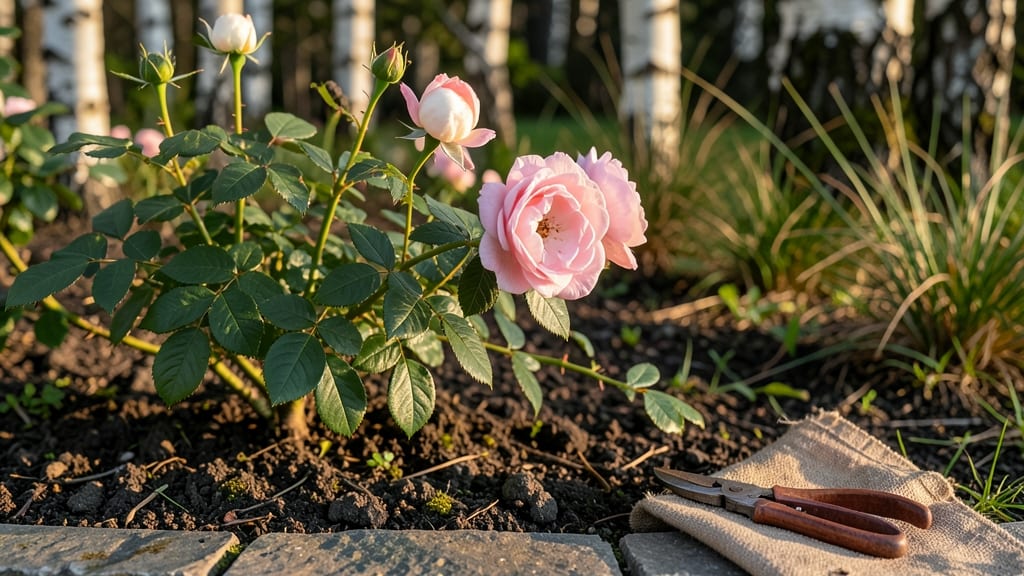
To change cotton rose colors naturally, use vinegar-based dye baths with food coloring for vibrant results or natural sources like onion skins for golden shades and turmeric for yellow tones. Always test on a single petal first and rinse gently to preserve bloom integrity.
Natural dyeing transforms cotton roses by altering their pH levels and binding pigments to the petal fibers. 🌸 The vinegar acts as a mordant, helping dyes adhere better, while natural sources like avocado pits create subtle greens and beet juice produces soft pinks.
I’ve found that soaking time varies—some colors develop in 30 minutes, while deeper hues may need 2-3 hours for full saturation. The key is patience and testing small batches first to avoid ruining entire bouquets.
For best results, work with fresh roses and avoid over-soaking, which can cause petals to weaken. Once dyed, let them air-dry completely before handling to maintain the new color.
This method isn’t just about aesthetics—it’s a creative way to extend the life of cut flowers while adding a personal touch to your arrangements.
💡 In This Article
- Natural Dye Ingredients and Their Color Results
- Step-by-Step Guide to Dyeing Cotton Roses Without Damage
Natural dye ingredients and their color results
The magic behind changing cotton rose colors lies in the chemical reactions between plant-based pigments and the petals' cellulose fibers. Vinegar (acetic acid) acts as a natural mordant, lowering the pH and helping dyes bind more effectively to the petal structure.
For example, onion skins release quercetin pigments that create golden hues when soaked for 1-2 hours—the longer the soak, the deeper the color, though petals may become slightly translucent after 3 hours.
Turmeric, meanwhile, contains curcumin that produces bright yellows in just 30 minutes at 150°F, but requires a vinegar bath to prevent fading.
Different natural dyes produce surprisingly varied results due to their unique molecular structures. Avocado pits, when boiled into a tea, yield soft greens because they contain chlorophyll derivatives that bond weakly to petals—requiring a 4-hour soak for visible color.
Coffee grounds create rich browns thanks to tannins, but they need a 6-hour immersion with 1 cup of vinegar per quart of water to avoid leaving a bitter residue.
The pH balance is critical: adding 1 tablespoon of baking soda to a turmeric bath can shift yellows toward pale oranges by altering pigment stability.
Color intensity also depends on petal thickness and freshness. Delicate cotton roses absorb dyes more quickly than thick-stemmed varieties, but their thin petals may bleach if soaked too long.
I’ve found that white roses take dye best—starting with a neutral canvas ensures vibrant results, while darker roses like reds may only lighten to muted tones. The key measurement is 1 part dye to 4 parts water; stronger concentrations risk damaging petal integrity while weaker mixtures produce pastels.
Unexpected color shifts occur when dyes interact. Mixing beet juice (pink) with turmeric (yellow) creates soft oranges, but the vinegar must be 10% concentration to prevent pigment separation.
For consistent results, always pre-test dyes on a single petal—some roses reject certain pigments entirely due to natural wax coatings on their surfaces.
The science behind this is fascinating: pigments bind through hydrogen bonding, where dye molecules attach to the petal’s hydroxyl groups, creating a semi-permanent bond that lasts 3-5 days before fading.
Seasonal variations matter too. Summer roses contain more natural oils that repel water-based dyes, requiring a 15-minute vinegar pre-soak to open their pores. Winter roses, being drier, absorb colors more readily but may become brittle if over-soaked.
The ideal temperature for dye baths is room temperature (70-75°F)—heat accelerates color uptake but weakens petal structure, causing them to curl or darken at the edges.
For advanced crafters, layering dyes creates custom shades. Start with a light base (like chamomile tea for pale yellow) and gradually add deeper pigments (such as hibiscus for red undertones). Each layer should dry completely between applications to prevent muddy colors.
The most striking transformations come from unexpected combinations—like using black tea for grays or paprika for warm reds—but these require precise timing to avoid over-saturation.