
Advice
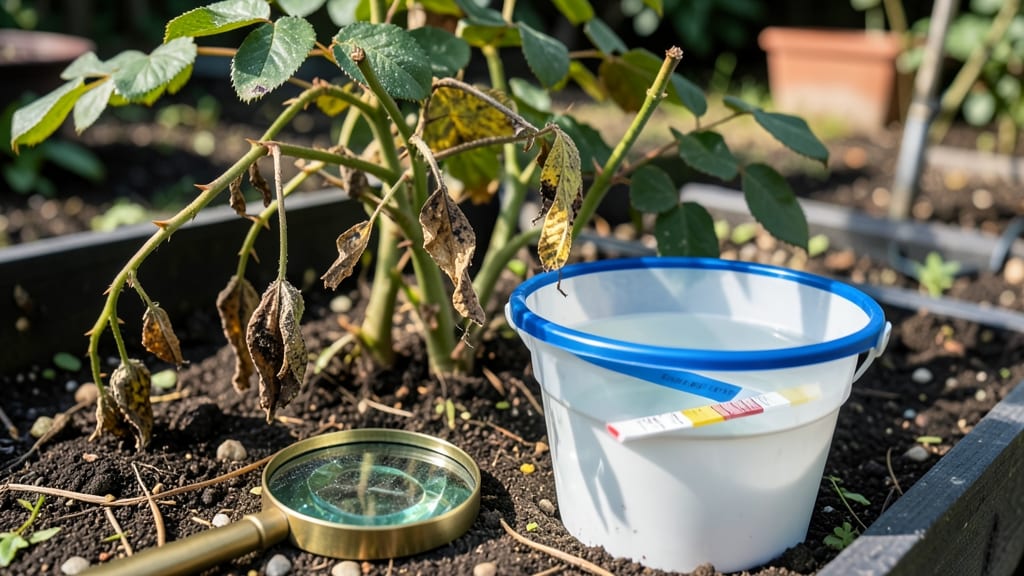
Why do roses die so fast—the fast die-off of those wilted stems, crispy leaves, and blooms that drop in hours—has left me baffled until now. 🌹 I’ve watched perfectly healthy bushes turn into sad, drooping messes overnight, and I’ve cracked the code on why it happens (and how to fix it). it fast).
The usual suspects are thirst (too much or too little), fungal infections hiding in the foliage, or pests sucking the life out of your plants. I’ve learned to check the soil first—if it’s soggy, you’ve got root rot; if it’s bone-dry, your roses are screaming for water.
Yellow leaves? Black spot. Sticky leaves? Aphids. These clues point to the exact problem.
Here’s the good news: most roses can bounce back in minutes to hours with the right fix—whether it’s a quick pruning, a targeted spray, or adjusting your watering routine.
I’ve revived roses that looked dead just by cutting off the damaged parts and giving them fresh air. The key is acting fast before the damage spreads.
This works for backyard bushes, container roses, or even those sad cut flowers wilting in your vase. Let’s turn those sad stems into thriving plants again—no green thumb required, just a sharp eye and quick action.
Root Causes Of Rapid Rose Decline
Roses are delicate beauties that thrive under the right conditions—but when they wilt or die quickly, it’s often a sign of hidden stress. Understanding the root causes (literally and figuratively) helps you diagnose and fix the issue before it’s too late.
Here’s why your roses might be fading faster than you’d expect:
Roses need consistent moisture, but too much water suffocates their roots. When soil stays soggy, oxygen can’t reach the roots, leading to root rot—a fungal infection that kills roses in days. Even worse, poor drainage (like clay-heavy soil) traps excess water, accelerating decay.
🔍 How to spot it:
- Yellowing leaves that stay mushy even when dry
- Black, slimy roots when checked
- Stems that feel hollow or spongy
💡 Fix it: Amend soil with perlite or sand, and water only when the top 2 inches of soil are dry. If repotting, use a mix with 50% organic matter and 50% inorganic grit.
Roses love sunlight, but intense midday heat (especially above 90°F/32°C) can scorch petals and leaves. When temperatures spike, roses lose moisture faster than they can absorb it, leading to wilting, browning, or crispy edges.
🔍 How to spot it:
- White or grayish patches on leaves (like sunburn)
- Petals that curl or turn brown at the edges
- Stems that feel dry and brittle
💡 Fix it: Provide afternoon shade (use shade cloth or plant near taller shrubs). Mulch with 2-3 inches of straw or wood chips to retain moisture and cool roots.
Roses are prime targets for black spot, powdery mildew, or bacterial blight, which spread rapidly in humid or crowded conditions. Fungal spores thrive in damp foliage, while bacteria (like Pseudomonas syringae) enter through cuts or rain-splashed wounds.
🔍 How to spot it:
- Dark spots with yellow halos (black spot)
- White, powdery residue on leaves (mildew)
- Wet, oozing lesions on stems (bacterial infection)
💡 Fix it: Prune infected leaves immediately (sterilize shears with rubbing alcohol). Apply neem oil or copper fungicide preventatively. Space roses for airflow and avoid overhead watering.
Roses need a balance of nitrogen (N), phosphorus (P), and potassium (K). Too little nitrogen causes pale, weak growth, while excess fertilizer (especially high in salt) burns roots, preventing water and nutrient uptake. Yellow leaves with green veins? Likely iron or magnesium deficiency.
🔍 How to spot it:
- Yellowing between leaf veins (iron deficiency)
- Purple stems or undersides of leaves (phosphorus deficiency)
- Crispy leaf edges (salt buildup from over-fertilizing)
💡 Fix it: Test soil pH (ideal: 6.0–6.5). Use a slow-release rose fertilizer (like 10-10-10) in spring and summer. For deficiencies, apply chelated iron or Epsom salt (magnesium sulfate).
Roses are tough, but mechanical stress—like harsh pruning, wind, or pests—weakens them. Chewed leaves, broken stems, or even transplant shock (from moving roses suddenly) disrupt their ability to photosynthesize or absorb water.
🔍 How to spot it:
- Ragged leaf edges (from insects like Japanese beetles)
- Stems that snap easily or ooze sap
- Sudden wilting after repotting or pruning
💡 Fix it: Support roses with stakes or cages in windy areas. Prune only in early spring, using clean, sharp tools. After repotting, keep soil moist and avoid fertilizing for 2 weeks.
Most of these issues are preventable with proper care—but once you identify the culprit, you can revive your roses faster than you think. Next up: Quick Revival Tricks to bring them back to life in minutes!
Revive Wilted Roses Fast
Watching your roses droop and die can be heartbreaking—but the good news is, many common causes have quick fixes! Below, we’ve mapped out practical solutions for each reason your roses may be fading, along with prevention tips to keep them thriving.
Whether it’s thirst, disease, or sheer neglect, these steps will help you bring your blooms back to life—or stop them from wilting in the first place.
Roses need consistent moisture, but too much or too little can kill them fast. Overwatering suffocates roots, while underwatering causes stress and wilting.
How to Revive:
✅ Check the soil – Stick your finger 2 inches deep. If it’s damp, hold off on watering. If dry, it’s time to hydrate. ✅ Water deeply but less often – Aim for 1–1.5 inches per week (including rain). Use a soaker hose or drip irrigation to deliver water directly to the roots. ✅ Improve drainage – If your roses are in pots, ensure they have drainage holes. For garden roses, amend heavy clay soil with compost or perlite.
Prevention Tips:
💡 Water in the morning to reduce evaporation and fungal risks. 💡 Mulch around the base (2–3 inches of organic mulch) to retain moisture and regulate soil temperature.
Intense sunlight or heatwaves can scorch roses, causing leaves to crisp and flowers to wilt within hours.
How to Revive:
🌿 Provide afternoon shade – Use a shade cloth (30–50%) or move potted roses to a spot with partial shade for a few days. 🌿 Mist leaves lightly – In extreme heat, a gentle misting (early morning or late evening) can cool the plant. 🌿 Trim damaged foliage – Snip off any brown or crispy leaves to help the rose focus energy on recovery.
Prevention Tips:
🌡️ Choose heat-tolerant varieties like ‘Knock Out’ or ‘Earth Kind’ roses. 🌡️ Avoid fertilizing during heatwaves—it stresses the plant further.
Black spots, powdery mildew, or oozing stems are signs of disease, which can kill roses in days if untreated.
How to Revive:
🧴 Prune infected parts immediately – Use sterilized shears and remove all diseased leaves, stems, and flowers. Dispose of them in the trash (not compost). 🧴 Apply a fungicide – Use a copper-based spray or neem oil solution (1 tsp neem oil + 1 quart water + a drop of dish soap). Spray every 7–10 days until the problem clears. 🧴 Improve airflow – Space plants 3–4 feet apart and prune to encourage circulation.
Prevention Tips:
✨ Water at the base (avoid wetting leaves) to prevent fungal spores from spreading. ✨ Clean tools with rubbing alcohol before and after pruning.
Chewed leaves, sticky residue (aphids), or tiny holes (spider mites) mean pests are draining your roses’ energy.
How to Revive:
🐜 Blast off pests – Spray roses with a strong stream of water to knock off aphids, spider mites, or beetles. 🐜 Use insecticidal soap – Mix 1 tbsp mild castile soap + 1 quart water and spray every 3–4 days until pests are gone. 🐜 Introduce beneficial insects – Ladybugs and lacewings eat aphids naturally.
Prevention Tips:
🎯 Inspect new plants before bringing them home. 🎯 Plant marigolds nearby—they repel many rose pests!
Yellow leaves, stunted growth, or weak stems signal your roses aren’t getting the nutrients they need.
How to Revive:
🍄 Fertilize properly – Use a balanced rose fertilizer (10-10-10) or organic compost in early spring and mid-summer. 🍄 Test your soil – A simple DIY pH test kit (available at garden centers) helps determine if your soil is too acidic or alkaline. Roses prefer slightly acidic soil (6.0–6.5). 🍄 Add compost – Mix 2–3 inches of compost into the top 6 inches of soil for a nutrient boost.
Prevention Tips:
💪 Feed roses in stages—avoid over-fertilizing, which can burn roots. 💪 Rotate fertilizers between synthetic and organic for best results.
With these fixes, your roses should perk up within a few days to a week, depending on the cause**. The key is acting fast and giving them the right care. Once revived, consistent watering, proper pruning, and disease prevention will keep them blooming beautifully for seasons to come!
Frequently asked questions
Why do my roses wilt so fast even when I water them regularly?
Overwatering is a common culprit! When soil stays soggy, roots suffocate from lack of oxygen, leading to root rot. Check soil moisture by sticking your finger 2 inches deep—if damp, hold off on watering. Also, ensure proper drainage (pots with holes or amended garden soil with perlite).
Can I save roses that look completely dead after a heatwave?
Yes! Trim all crispy leaves and stems, then give them afternoon shade and light misting (early morning/evening). For severe cases, prune back by 1/3 to reduce stress. Most roses bounce back within 3-5 days if roots are still healthy.
What's the fastest way to treat black spot fungus on roses?
Prune infected leaves immediately (sterilize shears with rubbing alcohol) and apply neem oil spray (1 tsp neem + 1 quart water + drop of soap). Spray every 7 days until clear. For severe cases, use copper fungicide. Prevent spread by watering at the base, not overhead.
Why do my potted roses die faster than garden roses?
Potted roses dry out 3x faster than garden roses due to limited soil volume. Use containers with drainage holes, water when top 1 inch of soil is dry, and choose self-watering pots. Move them to shaded spots during heatwaves to prevent moisture loss.
How can I tell if my roses are dying from pests or disease?
Check for holes in leaves (pests like Japanese beetles) or sticky residue (aphids). Disease shows as spots, powdery coatings, or oozing stems. For pests, blast with water or use insecticidal soap. For disease, prune infected parts and apply fungicide immediately.