
Pruning
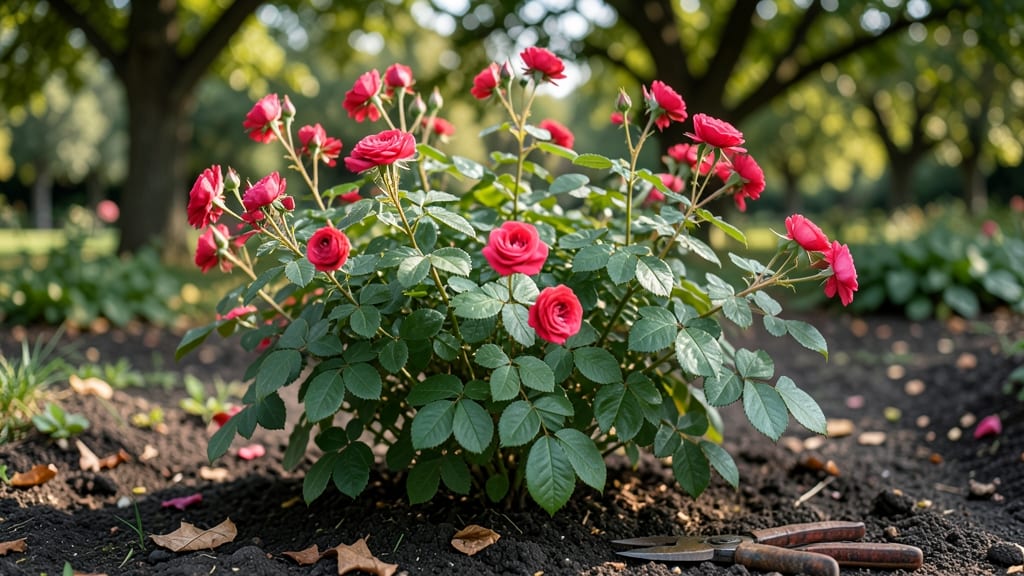
Creating a rose tree transforms ordinary roses into a year-round floral masterpiece—and the best part?
You don’t need a green thumb, just patience and sharp tools. 🌹 I’ve grafted dozens of roses onto sturdy understocks, and the secret lies in timing: do it during dormant season (late winter or early spring) when the plant’s energy is focused on new growth, not healing wounds.
The process starts with selecting a healthy, disease-resistant understock—like a hardy rose rootstock—and a vigorous budwood from your favorite rose. You’ll need a cleft graft or bark graft tool, grafting tape, and pruning shears.
The magic happens when you align the cambium layers (that green ring just under the bark) between the two plants—this is where the connection forms. It sounds technical, but once you see it in action, it clicks.
By summer, you’ll watch the grafted bud swell into a tiny new shoot, a sign your rose tree is taking. With proper care—keeping the grafted area moist but not soggy—you’ll soon have a sturdy trunk topped with lush blooms.
The best part? These trees keep flowering long after standard roses fade, giving you color from spring through frost.
Even if your first attempt doesn’t succeed (graft failure happens!), the second try will. The key is precision in cutting and gentle handling—no rushing. Once mastered, you’ll have a showstopping centerpiece that turns heads every season. Let’s get grafting!
📚 In This Guide
- What you need
- Instructions
- Tips and common mistakes
- Wrapping up and next steps
What you need
- ● Rose Bush: A healthy, mature rose bush (climbing or shrub roses work best). Aim for a disease-resistant variety like Knock Out® or Climbing Tea Roses.
- ○ Optional: Multiple rose bushes (3-5) for a fuller, layered tree effect.
- ● Support Structure: A sturdy wooden post (4-6 ft tall, 4" diameter) or a metal trellis frame (for multi-stemmed designs).
- ● Bamboo stakes or flexible wire (14-16 gauge) for training canes.
- ● Pruning Tools: Sharp bypass pruners (for clean cuts).
- ● Loppers (for thicker stems, ½"–1" cutting capacity).
- ● Hand saw (for stubborn branches).
- ○ Pruning sealant (optional, to prevent disease on larger cuts).
- ● Soil & Fertilizer: Well-draining potting mix (for container rose trees) or amended garden soil (for in-ground planting).
- ● Balanced rose fertilizer (10-10-10 or organic options like composted manure).
- ● Slow-release granules (for sustained nutrition).
- ● Mulch: Organic mulch (shredded bark or straw) to retain moisture and suppress weeds.
- ● Decorative Elements: Paint or non-toxic wood stain (for customizing the trunk).
- ● Landscape fabric (to block weeds around the base).
- ● Growth Boosters: Epsom salt (magnesium sulfate for vibrant blooms).
- ● Rose-specific fungicide (preventative care).
- ● Safety Gear: Gloves (thorn-proof!) and safety goggles (for dusty conditions).
Step-by-step instructions for crafting a rose tree
Here's the pruning method that transforms a single rose bush into a stunning, multi-stemmed rose tree—with science-backed techniques for year-round blooms.
✂️ Step 1: Select and Prune the Base Stem
Start with a healthy, established rose bush that's at least 3-4 years old and has multiple strong canes. In late winter or early spring, when the plant is still dormant, use clean, sharp pruning shears to cut the main stem down to about 12-18 inches from the ground. This shock encourages the plant to send out new shoots from the base.
Make your cut just above an outward-facing bud, angled at 45 degrees to prevent water from pooling. You’ll want to leave 3-5 strong, healthy canes emerging from the base—these will become your rose tree’s main stems. If any canes are weak, diseased, or crossing, remove them entirely to redirect the plant’s energy.
🌱 Step 2: Encourage Multiple Trunks Through Strategic Pruning
Once the new shoots begin to grow—typically within 4-6 weeks—focus on shaping the base. Use your pruning shears to trim back any shoots that grow too close together, leaving only the strongest, most evenly spaced canes. Aim for 4-6 main trunks, as this creates a balanced, tree-like structure.
Here’s the key: prune the top growth of each trunk back to 6-8 inches once they reach 12-18 inches tall. This forces the plant to branch out, creating a fuller, more tree-like form. Watch for new lateral buds forming along the stems—these will develop into branches that support future blooms.
☀️ Step 3: Train and Support the Developing Trunks
As your rose tree matures, install a sturdy support stake or tree-like framework to guide the trunks upward. I like using a 4-foot wooden stake or a metal tree guard to keep the structure upright. Tie the main trunks to the support using soft garden twine or rubber tree ties, ensuring they grow straight without bending.
Throughout the growing season, continue light pruning to encourage airflow and sunlight penetration. Remove any dead, diseased, or crossing branches, and trim back any suckers that grow from the base—these can weaken the tree’s structure. By mid-summer, your rose tree should have a well-defined trunk section with multiple branches radiating outward.
✂️ Step 4: Refine the Shape for Year-Round Blooms
In late summer, after the first flush of blooms has faded, perform a final pruning to shape the tree. Cut back any overly long branches to 12-18 inches, focusing on maintaining a balanced, rounded canopy. This encourages repeat blooming by promoting new growth at the branch tips.
For year-round blooms, I recommend fertilizing with a balanced rose fertilizer in early spring and again in mid-summer. Water deeply once a week, ensuring the soil stays 2-3 inches moist but not soggy. Mulch the base with 2-3 inches of organic mulch to retain moisture and protect the roots during winter.
⏰ Step 5: Winter Care for Next Year’s Growth
Before the first frost, wrap the trunk and lower branches with burlap or tree wrap to protect them from cold damage. In late winter, just as new buds begin to swell, perform a light pruning to remove any dead wood and shape the tree for the coming season. This keeps the rose tree healthy, vigorous, and ready to bloom from spring through fall.
Real talk: Patience is key. It takes 2-3 years to fully transform a rose bush into a rose tree, but the result—a stunning, multi-stemmed focal point with year-round blooms—is worth every pruning session. Keep an eye on the plant’s growth, and adjust your pruning as needed to maintain the perfect tree shape.
Tips & tricks for perfect rose tree pruning
Transforming a rose bush into a rose tree isn't just about cutting—it's about understanding plant growth patterns and timing. Here's what I've learned after shaping dozens of these stunning garden focal points.
Timing is Everything: Late winter or early spring is the absolute best time for your initial pruning cut to 12-18 inches. This dormant period means the plant isn't actively growing, so it won't waste energy trying to heal while you're shaping it. I've seen gardeners try this in summer and end up with stressed plants that never recover properly. The key is to work with the plant's natural cycles rather than against them.
Bud Orientation Matters: When making your cuts, always look for outward-facing buds to make your angled cuts. These buds will grow away from the center, creating that beautiful, rounded tree shape we're aiming for. I learned this the hard way—my first attempt had all the new growth pointing inward, creating a dense, unruly center that blocked sunlight from reaching the inner branches. The 45-degree angle isn't just aesthetic; it prevents water from pooling at the cut site.
Strategic Pruning for Branching: The moment your new shoots reach 12-18 inches tall, you'll want to prune them back to 6-8 inches. This might seem counterintuitive—why cut back growth when you're trying to encourage more? The secret is that this "pinching" technique forces the plant to produce multiple lateral buds along the stem. I've seen rose trees with just two main trunks after skipping this step, while properly pinched trees develop 4-6 strong trunks with abundant branching.
Support System Secrets: Don't underestimate the importance of proper support during the development phase. I've used everything from simple wooden stakes to elaborate metal tree guards, but the most effective system I've found is a combination of a central stake with horizontal branches at different heights. This allows you to tie your main trunks at multiple points, preventing them from bending as they grow. The goal is to mimic natural tree growth patterns while giving your rose tree the stability it needs to reach its full potential.
Pro Tips for Make A Rose Tree
- Transforming a rose bush into a rose tree isn't just about cutting—it's about understanding plant growth patterns and timing.
- Timing is Everything: Late winter or early spring is the absolute best time for your initial pruning cut to 12-18 inches.
- Bud Orientation Matters: When making your cuts, always look for outward-facing buds to make your angled cuts.
Frequently asked questions
Got questions about crafting your dream rose tree? You’re not alone—many gardeners wonder about timing, techniques, and troubleshooting. Here are the answers to the most common queries to set you up for success!
How long does it take to create a rose tree?
A rose tree typically takes 1–3 years to fully form, depending on the rose variety and growing conditions. Start with a healthy grafted rose bush (like a Knock Out® or Dr. Huey), then prune aggressively in the first year to encourage branching. Patience pays off—by year two, you’ll see dense, lush growth with blooms!
When is the best time to prune for a rose tree?
Prune your rose tree twice a year: late winter/early spring (just before new growth starts) and after the first flush of blooms (summer). Avoid pruning in fall—it stimulates tender growth that won’t survive winter. For grafted roses, cut back to just above a bud to maintain the tree’s shape.
Can I use any rose bush to make a rose tree?
Not all roses work for tree-shaped pruning! Opt for grafted roses (like Fairy® or Star® series) or vigorous climbers like Blaze®. Avoid hybrid teas or floribundas—they’re less adaptable to heavy pruning. If you’re starting from seed or a non-grafted bush, expect slower growth and less control over the tree’s form.
How do I protect my rose tree in winter?
Mulch the base with 3–4 inches of straw or wood chips to insulate roots. Wrap the trunk and branches with burlap or rose cones to shield from freezing winds. For young trees, add a lightweight frost cloth over the canopy. Avoid heavy snow buildup—gently brush it off to prevent branch breakage.
What if my rose tree isn’t blooming?
Lack of blooms often signals over-pruning, nutrient deficiency, or poor sunlight. Feed with a balanced rose fertilizer (10-10-10) in spring, and prune to leave 3–5 buds per stem. Ensure it gets 6+ hours of sun daily. If the issue persists, check for pests (like aphids) or fungal diseases (e.g., black spot) and treat accordingly.
| Quick Fixes | When to Try |
|---|---|
| Trim back overly long stems to encourage bushiness. | Early spring or after blooming. |
| Apply Epsom salt (1 tbsp/gal water) for magnesium boost. | Yellowing leaves in summer. |
| Reposition in full sun if shaded. | Leggy growth or sparse blooms. |
Wrapping up and next steps
Creating your own rose tree is a rewarding journey that combines artistry, patience, and a little pruning science! 🌹 With the right techniques—like strategic pruning, graft selection, and seasonal care—you’ll transform a single rose bush into a stunning, year-round floral masterpiece.
Remember, consistency is key, and every trim brings you closer to that dream rose tree with cascading blooms.
Now that you’re armed with knowledge, roll up your sleeves and start pruning! 🌱 Begin with a healthy rose bush, follow the steps, and watch your garden transform. For extra inspiration, explore rose tree galleries or join gardening forums to share your progress. Happy pruning—your future rose tree awaits!